Garden Tool Essentials
Garden Tool EssentialsPosted by Naveen Kumar on 19-08-2026
Funny Facts
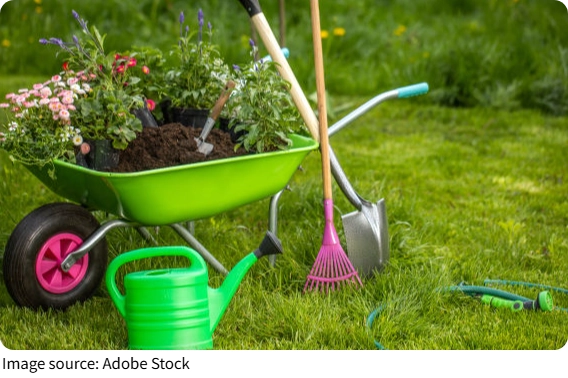
A well-kept garden begins with simple tools that help us handle everyday tasks with ease. From preparing the soil and planting young seedlings to watering, trimming, and clearing fallen leaves, each tool has a useful role.
Whether we are caring for a few pots or a larger outdoor garden, having the right equipment nearby can save time, reduce effort, and make each gardening session more enjoyable.
1. Hand Trowel
A hand trowel is one of the most useful small tools we can own. Its narrow scoop helps us plant seedlings, dig small holes, move soil, and remove unwanted growth around plants. We can also use it to mix compost into the upper soil layer.
When choosing one, we can look for a firm handle and a strong metal scoop. A smaller model is convenient for containers, while a wider scoop works well in planting beds.
2. Pruning Shears
Pruning shears help us keep plants neat and encourage healthy new growth. We can use them to trim small branches, shorten overgrown stems, shape shrubs, and collect certain vegetables or herbs.
Sharp blades create cleaner cuts, so we should keep them in good condition and wipe them after use. A comfortable handle also gives us better control during longer trimming sessions.
3. Garden Gloves
Garden gloves protect our hands while we handle soil, rough stems, and plants with sharp edges. They can also give us a better grip when using hand tools.
We can choose lightweight gloves for simple daily tasks or thicker ones for heavier work. The correct size is important because loose gloves can reduce control, while tight ones may become uncomfortable.
4. Garden Hoe
A garden hoe is useful for loosening compact soil and clearing unwanted growth from open planting areas. Its long handle lets us work while standing, which can make larger beds easier to maintain.
We can use the edge to break the surface of firm soil and work carefully around established plants. Different hoe shapes are designed for different tasks, so we can choose according to our garden layout.
5. Watering Can
A watering can gives us better control over water distribution. Its spout allows us to direct water toward the soil around a plant rather than soaking the entire area.
For seedlings, a fine rose attachment can provide a gentle flow. For larger gardens, a bigger container can reduce repeated trips to the tap. Choosing a suitable size makes regular watering much more convenient.
6. Garden Fork
A garden fork has several strong tines for loosening soil, turning compost, and lifting material from planting beds. It is especially helpful when the ground becomes firm after dry weather.
We can press the tines into the soil and gently lift to improve air space. Near established plants, slower movements help us avoid disturbing their roots.
7. Garden Rake
A garden rake helps us level soil, gather fallen leaves, clear small pieces of debris, and spread surface material evenly. It is also useful when preparing a bed before planting.
A wide rake covers more ground quickly, while a smaller one gives us better control in narrow areas. Gentle strokes are helpful when we work close to young plants.
8. Garden Cart
A garden cart makes it easier for us to move soil, compost, leaves, and other supplies. This becomes especially useful when the garden covers a large area or the materials are heavy.
Before choosing one, we can consider the width of our paths and available storage space. A compact cart suits smaller gardens, while a larger model can reduce the number of trips needed.
9. Soil pH Tester
A soil pH tester tells us whether our soil is acidic, neutral, or alkaline. The scale runs from 0 to 14, with 7 considered neutral. This information matters because different plants prefer different soil conditions.
For example, blueberries generally prefer acidic soil, while asparagus grows best in well-drained soil with a pH around 6.5–7.0.. If our soil needs adjustment, we can research suitable amendments and make changes gradually.
10. Garden Scissors
Garden scissors are useful for detailed jobs such as cutting flowers, trimming soft stems, shaping herbs, and removing small damaged sections. Their compact size gives us precise control.
We can keep the blades clean and sharp so each cut is smooth. A dedicated pair can make small daily tasks quicker and more comfortable.
Build Our Tool Kit
Lykkers, we do not need to collect every tool at once. We can begin with a trowel, pruning shears, gloves, watering can, and garden fork. As our garden grows, we can add a hoe, rake, cart, soil tester, and scissors.
The best collection is the one that matches our actual needs. When we select comfortable tools, clean them after use, and store them properly, everyday gardening becomes more organized and pleasant.
Keep Growing Together
The right equipment can turn ordinary garden tasks into simple routines. With a practical set of tools, we can plant with greater care, manage soil more easily, and keep our plants looking fresh throughout the growing season.
Lykkers, which tool do you use most often in your garden? Perhaps there is one tool you would add to your collection next. Let’s share our gardening habits and discover which simple tools make plant care easier for all of us.
Popular
Plants Are Shifting
Europe’s mountain summits are getting warmer, but alpine plants are not responding in one simple, predictable way.
Daylily Growing Guide
How Can We Grow Daylilies With Fuller Blooms? Try These Simple Care Tips for a Brighter, Healthier Garden!
Beginner Plant Picks
New to Plants? These 6 Easy-Growing Picks Can Help Us Create a Greener, More Beautiful Home With Less Daily Care!
Flower Art Basics
Six Easy Flower Arrangement Tricks We Can Learn Today for More Balanced and Beautiful Bouquets!