Spring Flowers
Spring FlowersPosted by Ravish Kumar on 19-08-2026
Useful Tips
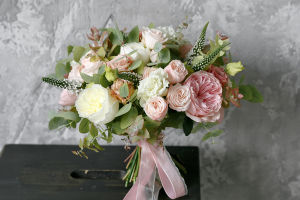
Lykkers, mixed spring flowers look effortless, but a cheerful bouquet usually lasts longer when you understand what each stem needs.
Different flowers drink at different speeds, react differently to warmth, and compete for space inside one vase. With a few practical habits, you can keep that loose spring feeling while making the arrangement easier to manage and much more interesting to watch.
Make Mixed Flowers Work Together
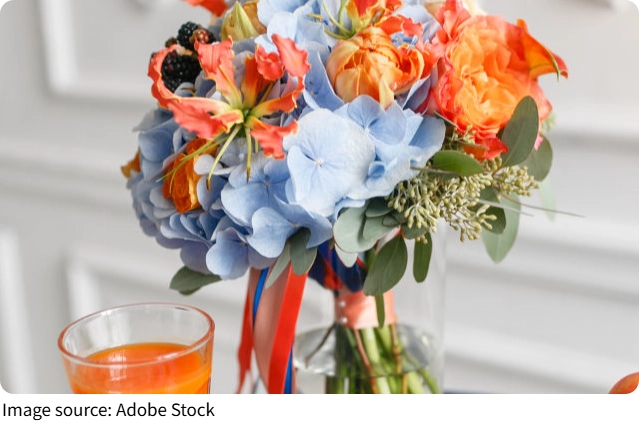
A mixed bouquet is basically a tiny plant community sharing one container. Some stems are sturdy, some are thirsty, and some seem determined to lean wherever they please. Rather than forcing every flower into perfect order, you can arrange them according to height, shape, and natural movement.
Sort Before You Arrange
Before placing everything into water, separate the flowers into simple groups.
You might have large focal blooms, medium flowers, small airy flowers, and greenery. This takes less than two minutes but makes arranging far easier.
If you have 15 stems, for example, you could work with three large flowers, six medium blooms, three delicate fillers, and three leafy stems. You immediately know which flowers should create structure and which ones should soften the edges.
This also prevents the classic bouquet problem: putting all the impressive flowers in first, then discovering that every smaller stem has nowhere interesting to go.
Use Three Different Heights
Spring bouquets usually look better when they rise and fall instead of forming one perfectly level dome.
Keep a few stems tall, place most at medium height, and let several shorter flowers sit close to the vase rim. A rough difference of 5 to 8 cm between height groups is enough to create visible layers.
Tall stems pull your eyes upward. Medium flowers provide most of the color, while shorter blooms make the arrangement feel full near the base.
You can also let one or two stems lean outward naturally. That slight escape from the main shape creates the casual garden feeling people often love in spring arrangements.
Turn the Vase While Working
It is surprisingly easy to create a beautiful front and a very confused back.
After adding every three or four stems, rotate the vase about a quarter turn. Look for empty patches, crowded sections, and flowers hidden behind larger blooms.
This habit matters especially when the bouquet sits on a dining table or central surface where people may see it from several directions.
For a display placed against a gray wall, however, you can deliberately make the front fuller and leave the rear slightly simpler. The wall already acts like a visual frame, so there is little reason to hide your best flowers at the back.
Let the Gray Setting Guide Color
A gray surface is surprisingly useful because it does not compete strongly with flower colors.
Yellow, peach, pink, violet, cream, and fresh green all become easier to notice against a muted setting. If your bouquet already contains many colors, avoid adding too many decorative extras around it.
Try the three-color test. Step about two meters away and identify the three colors you notice first. If five or six shades are fighting equally for attention, reposition similar colors closer together.
Two pink flowers separated across the vase may look random. Place them within the same visual area and they begin to look intentional.
Keep Spring Freshness Going
Once the bouquet looks good, flower care becomes a small daily routine rather than a rescue mission. You do not need complicated tricks. Clean water, sensible placement, and timely adjustments usually make the biggest difference.
Clean the Lower Stems
Any leaves sitting underwater should be removed.
Leaves left below the water surface deteriorate quickly and contribute to microbial growth. That means cloudier water and less pleasant conditions for the stems.
Before arranging, trim roughly 1 to 2 cm from the bottom of each stem. A fresh diagonal cut exposes a new surface for water uptake.
With mixed flowers, check stem thickness too. Thick stems may need slightly more room inside the vase, so avoid squeezing a huge number into a narrow opening. Flowers should support each other, not behave like commuters during rush hour.
Watch the Water Level Daily
Spring flowers can drink quickly, especially during the first 24 hours.
Check the level once each day. If it drops noticeably, add fresh water. Every one or two days, replacing the water entirely is even better, particularly when it looks cloudy.
While doing this, rinse the vase and inspect the stems. If the ends look soft or discolored, trim a small amount again before returning them to clean water.
This takes only a few minutes and often improves the bouquet more than spraying the petals repeatedly.
Keep the Bouquet Cool
Warm sunlight may make spring flowers look beautiful for an afternoon, yet prolonged heat usually shortens their display life.
A bright room with indirect daylight is a safer choice. Keep the bouquet away from strong heating, warm electronics, and powerful airflow from cooling systems.
Nighttime can also become useful. If one room in your space stays naturally cooler overnight, moving the arrangement there may reduce unnecessary water loss.
You do not need to treat the flowers like delicate laboratory specimens. Simply avoiding the hottest location already makes a meaningful difference.
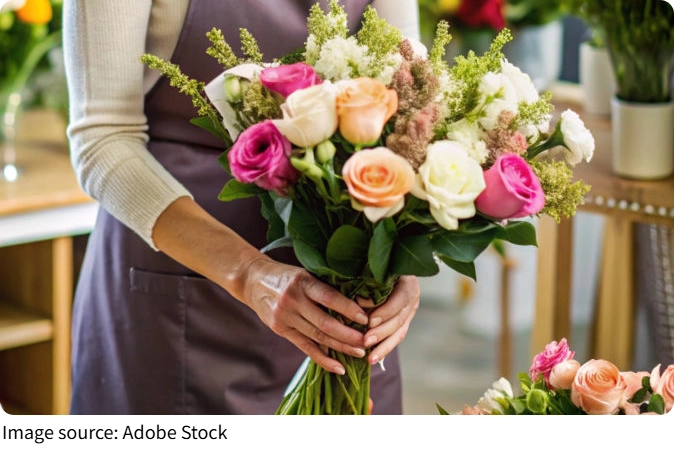
Lykkers, the charm of mixed spring flowers comes from their variety, not perfect uniformity. Sort the stems, vary the heights, group colors thoughtfully, refresh the water, and redesign the bouquet as flowers fade. A little attention turns a temporary decoration into something you can enjoy differently every day.
Popular
Daylily Growing Guide
How Can We Grow Daylilies With Fuller Blooms? Try These Simple Care Tips for a Brighter, Healthier Garden!
Beginner Plant Picks
New to Plants? These 6 Easy-Growing Picks Can Help Us Create a Greener, More Beautiful Home With Less Daily Care!
Sunflower Sun Secret
Why Do Young Sunflowers Follow the Sun? The Fascinating Growth Secret Behind Their Daily Movement!
Soil Life at Risk
A hidden world beneath our feet is under pressure — and its decline could affect food, farming, and climate stability.