Lily Growing Guide
Lily Growing GuidePosted by Arjun Mehta on 11-08-2026
Green Plant
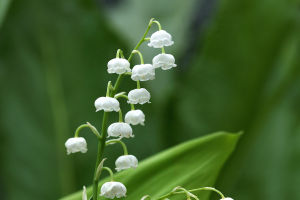
Lykkers, have you ever planted lily of the valley, only to watch it struggle after a short time? You are not alone.
This delicate-looking flower can seem easy to grow, yet small changes in moisture, light, temperature, and soil can make a big difference.
Once we understand what it really likes, caring for it becomes much simpler. Let us go through the process step by step and create a better growing environment from the start.
Choose the Right Soil
Good soil is the first step. Lily of the valley prefers loose, fertile soil that holds enough moisture while still allowing extra water to drain away. Heavy soil that stays wet for a long time can create problems for the roots.
For a simple homemade mix, we can combine four parts clean river sand, two parts ordinary garden soil, and one part rich organic soil. Mix everything evenly before planting. The sand improves drainage, while the garden and organic soil provide a softer growing medium.
We do not need a very deep container. A wide, shallow container with drainage holes can work well because the roots spread through the upper layer of soil. Make sure excess water has a clear way to leave the container.
Plant It Carefully
When we place the plant into its new home, we should avoid pressing the soil too tightly around the roots. Loose soil gives them room to settle and develop.
After planting, water thoroughly until a little water comes through the drainage holes. Then place the container somewhere cool, airy, and protected from strong direct sunlight. This quiet period allows the plant to adjust before we gradually move it into a brighter location with gentle, filtered light.
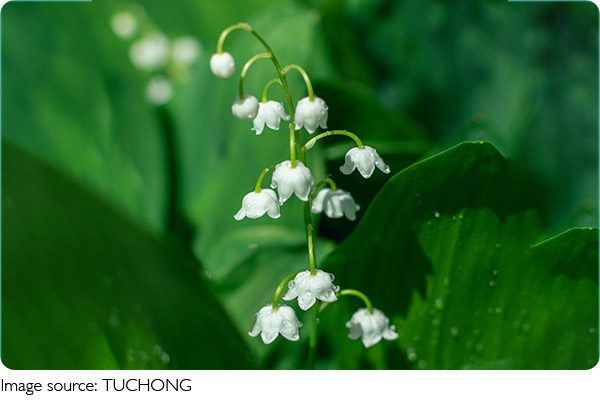
Keep Moisture Steady
Lily of the valley enjoys consistently moist conditions, so we should pay close attention to watering. The soil should feel slightly moist rather than completely dry.
During warm weather, check the container more often. If the surface begins to dry, water slowly and evenly. Avoid adding a large amount all at once if the soil has become very dry, because water may run around the edges instead of reaching the root area.
Good air movement is also helpful. In a dry room, gentle moisture around the foliage can improve the surrounding conditions, but we should avoid leaving the leaves constantly wet.
Find a Cool Location
Temperature is another important part of successful care. This flower prefers a cool, partially shaded environment with fresh air and moderate humidity. A growing temperature around 17 to 20°C is especially suitable.
During hot periods, we can move the container away from strong afternoon sunlight. A bright position with filtered light is usually more comfortable than a place exposed to intense heat for several hours.
At the same time, avoid placing the container in a completely dark corner. Some gentle natural light is still important for healthy foliage and seasonal growth.
Feed During Growth
During the active growing months of spring, summer, and autumn, regular feeding can support steady development. We can use a balanced compound fertilizer about once every two weeks, following the dilution instructions on the fertilizer package.
It is better to apply a diluted feed than to give a very concentrated dose. Water the soil lightly first if it is completely dry, then apply the diluted fertilizer according to the product directions.
When winter arrives, growth slows and the plant may enter a resting period. At that time, we should stop regular feeding and allow the plant to rest naturally.
Encourage Fuller Growth
For gardeners hoping for fuller growth, light tip pruning during the active growing period can encourage branching. When new shoots have developed enough, carefully pinching the growing tip can help redirect the plant's energy toward side growth.
We should keep this work gentle and avoid removing too much greenery at once. Clean hands and clean gardening tools also help keep the growing area tidy.
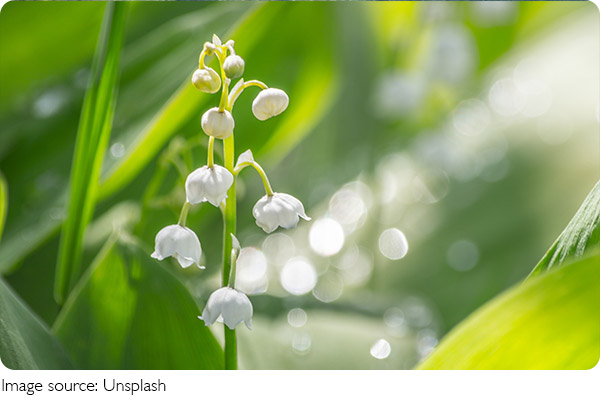
Give It Time
The biggest lesson we can take from growing lily of the valley is that steady care matters more than constant adjustment. We do not need to change its location every few days or repeatedly alter the watering schedule. Instead, we can watch the soil, observe the leaves, and respond to the season.
Lykkers, if your previous attempts did not work, do not give up too quickly. Start with loose soil, moderate moisture, gentle light, cool temperatures, and sensible feeding. Once these basic conditions are in place, we give this graceful flower a much better chance to settle and grow beautifully. Which growing step would you change first in your own garden?
How to Plant Lily of the Valley: Spring Garden Guide
Video by J. Parker's
Popular
Lily Growing Guide
Why Won’t Lily of the Valley Grow? Simple Care Tips for Healthier Plants and More Beautiful Blooms Every Season!
Healthy Indoor Plants
Simple Ways We Help Indoor Plants Grow Fuller, Greener, and Healthier With Easy Care Tips Anyone Can Follow!
Planting Tree Dreams
How We Plant a Tree Step by Step and Watch a Tiny Seedling Grow Into a Beautiful Green Treasure!
Nature's Hidden Code
A mysterious pattern shows up in sunflowers, pinecones, and galaxies. Scientists still can't solve it completely.