Hydrangea Color Magic
Hydrangea Color MagicPosted by Caleb Ryan on 17-08-2026
Green Plant
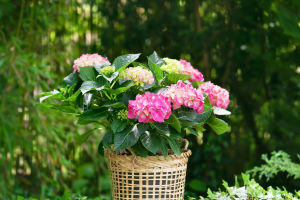
Have you ever watched a hydrangea bloom and wondered why its flowers can look pink in one garden and blue in another?
We can enjoy this fascinating plant not only for its full flower heads but also for the way certain varieties respond to their growing conditions.
With suitable soil, light, water, and nutrition, we can encourage healthier growth and sometimes influence the flower color.
Why Hydrangeas Change Color
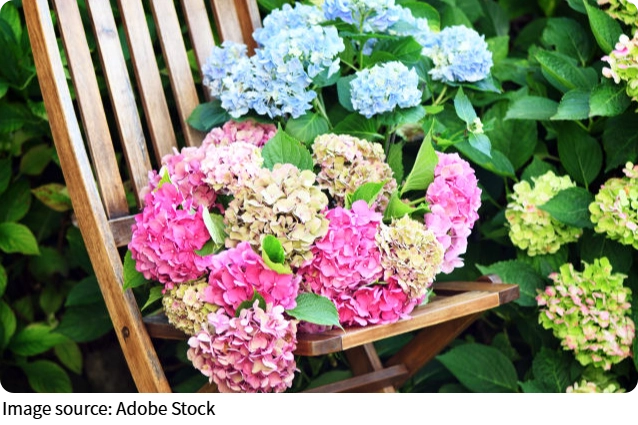
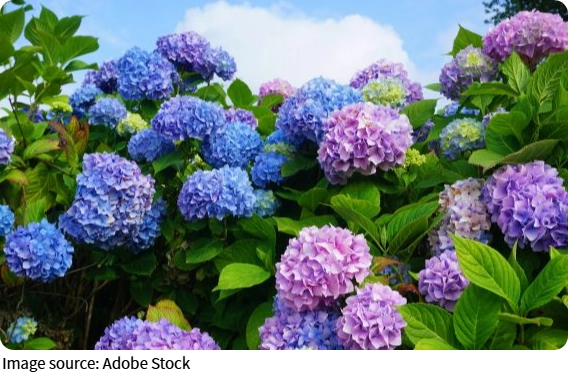
The color of some hydrangeas is closely linked to soil pH. In more acidic soil, certain varieties can absorb aluminum more easily, which can encourage blue or blue-purple blooms. In soil with a higher pH, aluminum becomes less available, and flowers may develop pink or warmer shades.
We should remember that this effect depends on the variety. Some white and cream hydrangeas naturally keep their original color and may show only a slight change as they mature.
How We Encourage Blue Blooms
If we want pink flowers to move toward blue, we can gradually make the growing medium more acidic. For many color-changing varieties, a pH around 5.2 to 5.5 can provide suitable conditions.
We should start by testing the soil before adding amendments. Organic matter can help improve the growing medium, while materials such as pine bark, pine needles, vegetable scraps, fruit peels, tea leaves, and coffee grounds can be included in well-prepared compost.
Some gardeners also use aluminum sulfate or iron-based amendments. We should follow the recommended application rate and avoid making several large changes at once. A gradual approach gives the roots time to adjust.
How We Encourage Pink Blooms
If our goal is to move blue flowers toward pink, we can gradually raise the soil pH. A range around 6.0 to 6.2 can work for many responsive varieties. This is still mildly acidic, so we are simply making the soil less acidic rather than creating strongly alkaline conditions.
Wood ash and finely crushed eggshells are sometimes used for this purpose. We should use them sparingly and check the soil regularly. Without testing, it is easy to change the growing medium more than necessary.
Give Changes Enough Time
We should not expect a hydrangea to change color within a few days. Soil adjustments take time, and new flowers develop according to the conditions the plant experiences during its growing cycle.
Instead of adding large amounts of amendments, we can make small changes and test the soil periodically. This makes it easier to understand what is happening and helps us maintain a healthier root environment.
Temperature, rainfall, watering habits, plant variety, and overall health can also influence the final result.
Choose Good Light
A healthy plant gives us the best chance of enjoying attractive blooms. We can place a hydrangea where it receives bright morning light and some protection from strong afternoon sunshine. Around three to six hours of gentle sunlight can suit many growing situations.
Good air circulation is equally useful. We can leave enough space between plants so that leaves dry more quickly after watering. This also helps create a cleaner, more comfortable growing environment.
Keep Roots Comfortable
Hydrangeas like evenly moist soil, but their roots also need good drainage. We can choose a loose growing medium that holds moisture without becoming waterlogged.
When planting outdoors, we should avoid low spots where rainwater collects. For container plants, drainage openings are important so excess water can leave the container easily.
During warm or dry weather, we can check the upper soil layer regularly. When it begins to dry, we can water thoroughly and allow excess moisture to drain away.
Support Steady Growth
Regular feeding can help maintain healthy leaves, strong stems, and attractive flower heads. We can use a mild, balanced fertilizer during active growth and follow the recommended amount.
Too much fertilizer can create unnecessary problems, so moderate feeding is a better approach. Combined with suitable light, steady moisture, and healthy soil, simple feeding can help the plant stay vigorous throughout the growing season.
Let’s Enjoy the Color Experiment
Lykkers, changing hydrangea color is a fun gardening experiment, but it also teaches us how closely plants respond to their surroundings. We can begin with a suitable variety, test the soil, choose a reasonable pH target, and make gradual adjustments.
Rather than looking for instant results, we can observe each new bloom and enjoy the changes from season to season. Have you ever seen a hydrangea change from pink to blue? Tell us which color you would choose for your garden!
Popular
Daylily Growing Guide
How Can We Grow Daylilies With Fuller Blooms? Try These Simple Care Tips for a Brighter, Healthier Garden!
Beginner Plant Picks
New to Plants? These 6 Easy-Growing Picks Can Help Us Create a Greener, More Beautiful Home With Less Daily Care!
Sunflower Sun Secret
Why Do Young Sunflowers Follow the Sun? The Fascinating Growth Secret Behind Their Daily Movement!
Soil Life at Risk
A hidden world beneath our feet is under pressure — and its decline could affect food, farming, and climate stability.