Soil Life at Risk
Soil Life at RiskPosted by Elena Rossi on 14-08-2026
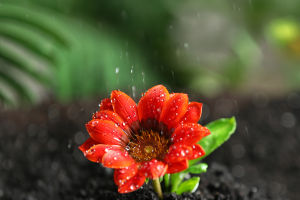
Green Plant
Soil may look quiet from the surface, but it is one of the busiest places on Earth. A single handful can contain billions of bacteria, many kinds of fungi, thousands of microscopic organisms, and small animals such as earthworms and arthropods.
This underground life does far more than simply exist. It keeps farmland productive, supports food systems, helps store carbon, breaks down organic matter, and makes healthy ecosystems possible. Without it, the world above ground would struggle to function.
Now, new research warns that this hidden world is facing serious danger. Among the soil-dependent species assessed, one in five is threatened with extinction. Even more concerning, 20% of the 8,500 species reviewed do not have enough available data to evaluate their risk properly.
In other words, many soil species may be disappearing before scientists even know enough about them.
Why Soil Life Matters
Soil is often treated as ordinary ground, but it is actually one of the planet’s most important living systems.
It is considered the most biodiverse habitat on Earth, supporting nearly 60% of all species. It also plays a central role in food production: around 95% of the food humans eat depends on soil.
Healthy soil helps crops grow, stores water, recycles nutrients, and supports the tiny organisms that keep farmland alive. It can also store more than a quarter of the carbon needed to help meet global climate goals.
That makes soil protection much more than an environmental issue. It is directly connected to food security, climate stability, and the future of farming.
A World We Barely See
One of the biggest challenges is that most soil life is hidden.
Animals such as rabbits, gophers, and prairie dogs are easier to observe, track, and study. Scientists can watch their behaviour, monitor their populations, and understand their role in the landscape.
But soil fungi, bacteria, and tiny invertebrates are far harder to study. A single handful of earth can contain millions of living organisms, many of which have not even been named yet.
Because these species are so small and difficult to see, they often receive far less attention than larger animals. Yet they are doing some of the most essential work in nature.
What Is Threatening Soil Species?
The main pressures come from changes in land use and soil chemistry.
When natural land is converted for farming, construction, or other development, soil habitats can be damaged or destroyed. Intensive agriculture can also disturb the delicate balance of underground life.
The use of agricultural chemicals can change soil conditions, affecting the organisms that live there. When soil becomes less healthy, the entire system begins to weaken.
This matters because soil species are deeply connected. If fungi, bacteria, worms, and other organisms decline, the soil may lose its ability to support plants, store carbon, and maintain long-term fertility.
Why the Data Gap Is So Serious
The fact that 20% of the 8,500 reviewed species lack enough data is a warning sign.
Conservation work depends on knowing which species are declining, where they live, and what threats they face. Without that information, it becomes much harder to protect them.
This creates a dangerous blind spot. Soil species may be essential to ecosystems, but many are still missing from global conservation assessments. If they are not counted, studied, or monitored, they are easier to overlook.
And when an invisible system begins to fail, the damage may only become obvious after it is already difficult to reverse.
What Could Happen If Soil Biodiversity Declines?
The loss of soil biodiversity could affect the systems people rely on every day.
Farms may become less productive. Crops may need more support to grow. Soil may become more vulnerable to erosion, drought, and degradation. Carbon storage could weaken, adding more pressure to climate systems.
The decline of soil life could also make ecosystems less resilient. Healthy soil helps landscapes recover from stress. Damaged soil, by contrast, can make plants, animals, and farming systems more fragile.
This is why protecting soil species is not just about saving tiny organisms underground. It is about protecting the foundation of life above it.
How Farming Can Help
One important solution is to change the way land is managed.
Farming methods that work with nature can help restore soil health. One example is agroforestry, where crops are grown alongside fruit trees, timber species, or nitrogen-fixing plants.
This approach can improve soil fertility, reduce erosion, support biodiversity, and give farmers more than one source of income. It can also make farms more resilient to climate change.
Other helpful practices include reducing unnecessary soil disturbance, protecting natural vegetation, using organic matter to enrich the ground, and avoiding damage to soil structure.
The goal is simple: treat soil as a living system, not just as a surface for growing crops.
Why Soil Species Need More Protection
Many well-known threatened species receive public attention because people can see them, recognize them, and understand their beauty. Soil species rarely get that kind of emotional response.
But their importance is enormous.
The organisms living underground help hold ecosystems together. They support plant growth, recycle nutrients, maintain soil structure, and influence the health of entire landscapes.
Experts argue that soil species should be included more fully in global extinction-risk assessments. Without that, conservation efforts may continue to overlook one of the planet’s most important forms of life.
The world beneath our feet is not empty. It is alive, complex, and essential. One in five assessed soil-dependent species now faces the threat of extinction, while many others remain too poorly studied to evaluate. That should be a wake-up call.
Healthy soil feeds us, supports biodiversity, stores carbon, and keeps ecosystems working. If we ignore the life underground, we risk weakening the systems that support life above ground.
Protecting soil may not sound as dramatic as saving forests, oceans, or large animals, but it is just as urgent. The future of food, climate resilience, and biodiversity begins in the ground beneath us.
The world beneath our feet is not empty. It is alive, complex, and essential. One in five assessed soil-dependent species now faces the threat of extinction, while many others remain too poorly studied to evaluate. That should be a wake-up call.
Healthy soil feeds us, supports biodiversity, stores carbon, and keeps ecosystems working. If we ignore the life underground, we risk weakening the systems that support life above ground.
Protecting soil may not sound as dramatic as saving forests, oceans, or large animals, but it is just as urgent. The future of food, climate resilience, and biodiversity begins in the ground beneath us.
Popular
Soil Life at Risk
A hidden world beneath our feet is under pressure — and its decline could affect food, farming, and climate stability.
The Indoor Rose Care Guide!
Growing roses indoors? Five useful care tips can help flowers stay fresh and beautiful longer!
Lily Growing Guide
Why Won’t Lily of the Valley Grow? Simple Care Tips for Healthier Plants and More Beautiful Blooms Every Season!
Healthy Indoor Plants
Simple Ways We Help Indoor Plants Grow Fuller, Greener, and Healthier With Easy Care Tips Anyone Can Follow!