Glowing Mushroom Mystery
Glowing Mushroom MysteryPosted by Ethan Sullivan on 19-08-2026
Funny Facts
Imagine walking quietly through a forest after sunset and noticing a faint greenish light near a fallen branch.
At first, we might think it is an insect or a reflection, but a closer look could reveal something even more surprising: tiny glowing mushrooms. This may sound like a scene from a fairy tale, yet these fascinating fungi truly exist in nature.
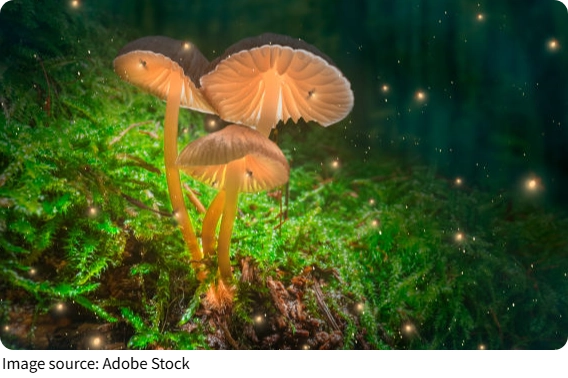
We know many familiar edible varieties, including enoki and king oyster mushrooms. However, the fungal world is much larger than what we usually see in markets. Some wild species are not suitable for eating and may contain harmful substances. When we discover an unfamiliar mushroom outdoors, it is best to enjoy its unusual appearance from a safe distance and simply observe its natural beauty.
Not Every Mushroom Is Food
A mushroom's color, size, or shape cannot tell us whether it is suitable for eating. Even two fungi that look very similar can belong to completely different species. Their growing environment may also change their appearance, making identification more difficult.
This is why we should avoid tasting or collecting unfamiliar wild fungi. A bright color does not automatically mean danger, while an ordinary appearance does not guarantee safety. The best choice is to enjoy these natural discoveries through observation and photography while leaving detailed identification to trained specialists.
Can They Really Glow?
Yes, some fungi can produce their own natural light. This phenomenon is known as bioluminescence. The glow is not created with paint, artificial treatment, or special lighting. Instead, it comes from chemical reactions taking place inside the organism.
Scientists have identified dozens of bioluminescent fungal species around the world. Many prefer warm and humid forests, where they can grow on decaying wood, roots, fallen branches, or other plant material.
During the day, these fungi may look completely ordinary. Once darkness arrives, their hidden light can become visible. Usually, the glow is soft rather than powerful, so it may be easier to notice after our eyes have adjusted to the darkness.
How Does The Light Appear?
The natural glow comes from a chemical process inside fungal cells. In simple terms, a light-producing compound reacts with oxygen with the help of enzymes. Part of the chemical energy is then released as visible light.
Different parts of a fungus may produce this effect, including the cap, stem, or thread-like structures spreading through its growing surface. The brightness can also change during different stages of development.
Environmental conditions matter too. Temperature and moisture can influence how clearly the light appears. A damp forest after suitable weather conditions may provide a better setting for observation than a dry location.
Small Fungi, Big Surprise
Many glowing fungi are surprisingly small. Some are only a few centimeters across and can easily escape our attention during daylight. Others grow in small groups, forming layered clusters on old wood or plant material.
When night falls, however, their appearance can change completely. A group that looked ordinary a few hours earlier may reveal a gentle greenish light against the dark surroundings.
The actual brightness can vary greatly. Photographs may sometimes make the display appear stronger because cameras can capture light over a longer period. In person, the effect may be softer, but that often makes the experience feel even more special.
More Than One Color
Most bioluminescent fungi appear greenish to our eyes, although pale white or slightly different shades may also be seen depending on the species and viewing conditions. The darkness around us also affects how clearly we notice the light.
Scientists continue to study why these organisms produce light. Some research suggests that bioluminescence may play a role in interactions within forest ecosystems. Whatever its exact purpose in each species, the process remains one of nature's most fascinating displays.
Enjoy The Discovery Safely
If we find an unusual mushroom during an outdoor walk, we can take clear photos and observe where it is growing. Useful details include its size, shape, color, and whether it appears alone or in a group.
However, glowing or non-glowing fungi should not be judged as suitable for eating based on appearance alone. Correct identification often requires careful examination of several features. Leaving unfamiliar specimens where we find them protects both us and the natural environment.
A Light Worth Noticing
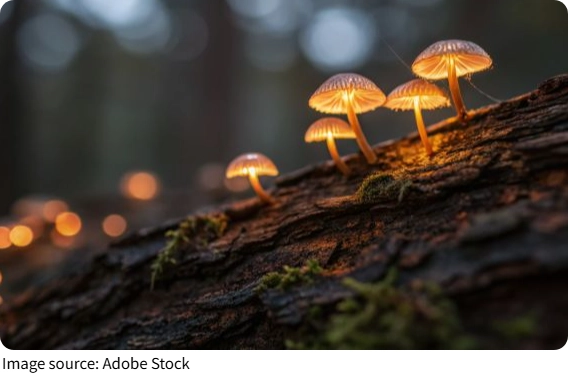
Lykkers, glowing mushrooms show us that a quiet forest can hold remarkable surprises. A tiny fungus growing on an old piece of wood can create its own gentle light through a fascinating natural process.
The next time we explore nature, perhaps we can slow down and look more carefully at the details around us. Have we ever seen a glowing mushroom with our own eyes, or would we like to spot one someday? Sometimes, the smallest light can inspire the greatest curiosity.
EP 15 - Why Do These Mushrooms Glow in the Dark? | Mushroom Discovery
Video by Tales & Whispers
Popular
Plants Are Shifting
Europe’s mountain summits are getting warmer, but alpine plants are not responding in one simple, predictable way.
Daylily Growing Guide
How Can We Grow Daylilies With Fuller Blooms? Try These Simple Care Tips for a Brighter, Healthier Garden!
Beginner Plant Picks
New to Plants? These 6 Easy-Growing Picks Can Help Us Create a Greener, More Beautiful Home With Less Daily Care!
Flower Art Basics
Six Easy Flower Arrangement Tricks We Can Learn Today for More Balanced and Beautiful Bouquets!