Bird of Paradise Care Guide
Bird of Paradise Care GuidePosted by Caleb Ryan on 21-08-2026
Green Plant
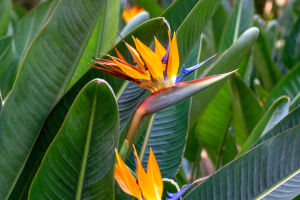
Welcome, Lykkers! Few houseplants create the same dramatic impression as the Bird of Paradise (Strelitzia reginae).
Its large, paddle-shaped leaves bring a tropical character indoors, while mature plants can produce striking orange and blue flowers resembling a brightly coloured bird.
Although Bird of Paradise is often described as an easy-care plant, impressive growth depends on providing the right environment rather than simply watering it regularly.
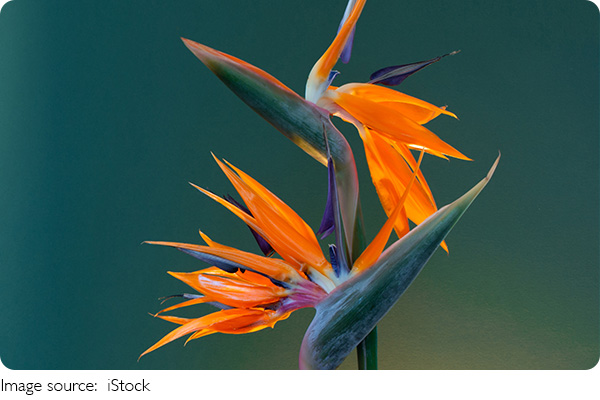
Choose a Bright Growing Spot
Light has a major influence on the health and appearance of Bird of Paradise. Indoors, place the plant near a bright window where it can receive plenty of natural sunlight. A location with several hours of strong light encourages sturdy stems, larger leaves, and better overall growth.
Outdoor plants can grow in full sun or partial shade. In regions with extremely intense sunlight, some protection during the harshest part of the day can prevent leaf scorching, particularly when the plant has recently been moved outdoors.
Use Well-Drained Soil
Bird of Paradise needs growing media that can retain some moisture without becoming waterlogged. Heavy, poorly drained soil can leave the root area excessively wet, increasing the risk of root problems. For container cultivation, a fertile, loam-based growing medium mixed with a drainage-enhancing material such as grit works well.
The aim is to create a loose structure that allows excess water to escape while still supplying enough moisture between waterings.
Repotting should not become a yearly routine. Bird of Paradise generally tolerates being somewhat root-bound, and mature plants may flower more readily when their roots are not constantly disturbed. Repot only when the roots have substantially filled the existing growing space, preferably during active growth in spring.
Water More During Active Growth
Watering should follow the plant's growth cycle. During spring and summer, Bird of Paradise usually needs more frequent watering because warmer temperatures and strong light increase moisture use. Water thoroughly when the growing medium has begun to dry, then allow excess water to drain away. Avoid leaving the root area continuously saturated.
During autumn and winter, growth usually slows, especially indoors. Water less frequently and allow more of the growing medium to dry before watering again. A fixed watering schedule is less reliable than checking the plant's actual growing conditions because temperature, sunlight, airflow, and humidity all affect moisture requirements.
Keep Temperatures Warm
Warm conditions encourage active growth, while cold temperatures can cause stress. Bird of Paradise is sensitive to freezing weather, so outdoor plants need protection when temperatures approach freezing. Indoor specimens generally perform well in warm rooms with good airflow.
Humidity can also influence leaf quality. Very dry indoor air may contribute to brown edges, although inconsistent watering, excessive fertilizer, or environmental stress can produce similar symptoms.
Outdoor plants benefit from shelter because strong winds can tear their broad leaves. The splits may look dramatic, but naturally torn leaves are common in plants with such large foliage.
Feed During the Growing Season
Bird of Paradise produces substantial foliage, so regular nutrition can support vigorous development. During spring and summer, apply a balanced liquid houseplant fertilizer according to the product's directions. Feeding should become less frequent when growth slows.
More fertilizer is not necessarily better. Excessive feeding can create mineral buildup and may damage the root system, particularly when the plant is already struggling with poor light or unsuitable watering.
Be Patient About Flowers
One of the biggest misunderstandings about Bird of Paradise is expecting young plants to flower quickly. Strelitzia reginae can take several years to reach flowering maturity, particularly when grown from seed. A mature plant needs strong light and consistently favourable growing conditions before it has enough energy to produce flowers.
Plants grown indoors may also flower less frequently than specimens growing outdoors in warm, bright climates.
Pruning and Pest Checks
Bird of Paradise does not require extensive pruning. Remove badly damaged, yellowing, or completely brown leaves at their base using clean, sharp tools. Old flower stalks can also be removed once flowering has finished. Inspect the leaves regularly for common pests such as scale insects, mealybugs, and spider mites. Checking the undersides of leaves is particularly useful because pests can remain unnoticed there.
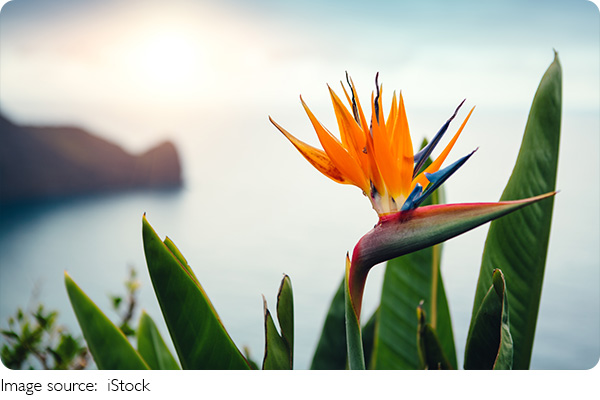
A thriving Bird of Paradise is the result of balanced care rather than constant intervention. Years can pass before a mature plant finally sends up its first spectacular flower, but when that orange-and-blue bloom appears above the bold green foliage, it becomes clear why Bird of Paradise has earned such a celebrated place among tropical plants.
Popular
Plants Are Shifting
Europe’s mountain summits are getting warmer, but alpine plants are not responding in one simple, predictable way.
Daylily Growing Guide
How Can We Grow Daylilies With Fuller Blooms? Try These Simple Care Tips for a Brighter, Healthier Garden!
Beginner Plant Picks
New to Plants? These 6 Easy-Growing Picks Can Help Us Create a Greener, More Beautiful Home With Less Daily Care!
Flower Art Basics
Six Easy Flower Arrangement Tricks We Can Learn Today for More Balanced and Beautiful Bouquets!