How Tea Leaves Get Picked
How Tea Leaves Get PickedPosted by Kenji on 19-11-2026
On Trend
Hi, let's get started. A tea bush doesn't hand you a finished product. It grows leaves, and what happens in the next few hours decides whether those leaves end up tasting bright and sweet or flat and bitter.
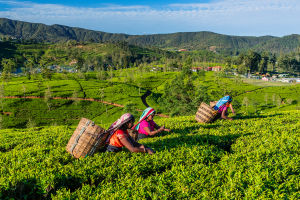
You've probably seen photos of pickers moving through rows of green, baskets on their backs. The picking is only the first move. What follows matters just as much.

Why the Top Two Leaves Win
The best tea usually comes from the bud and the two youngest leaves right below it. That is the standard two leaves and a bud rule you hear from growers across tea-producing regions. Those young shoots hold higher amino acids—which lend sweetness and umami—and fewer bitter tannins than older leaves. Pick too low, and you pull in coarse, tough stems that make a flat cup. Growers often pick in cooler morning hours when leaves are crisp and hydrated, snapping each shoot cleanly with thumb and forefinger rather than tugging and bruising the stem.
The Timing That Changes Everything
Spring matters. The first flush after winter dormancy—typically in early spring across temperate tea hills—is the most prized. Cool nights and slow growth concentrate aromatic compounds and amino acids in tender buds. By hot summer days, the bush grows fast, producing larger leaves with more astringency and tougher cell walls. Certain oolongs, by contrast, favor slightly more mature leaves that hold their shape better during bruising and rolling—so the right harvest window depends on the style of tea in mind.
Hand Picking Versus Machine
Hand plucking is slower and costs more, yet it lets a picker select only tender shoots at peak ripeness and leave tough stems behind. Machines harvest high volume quickly, but blades cannot distinguish a fresh bud from an older leaf or a damaged twig. On steep mountain slopes where heavy gear cannot travel, hand harvesting remains essential, while broad, flat estates often rely on mechanical harvesters to bring in large crops before weather shifts. That choice shows up in the cup: carefully sorted leaves brew more evenly without harsh edge notes.

Withering and the First Big Decision
Once fresh leaves reach the processing floor, workers spread them in thin layers on woven trays or warm air troughs to begin withering. This is not drying the leaf crisp; it is drawing out excess moisture gradually so the leaf turns supple and loses sharp raw-grassiness. A flexible leaf bends without snapping when shaped later. For green tea, withering stays brief before heat halts enzymatic browning; for black tea, rolling breaks cell walls so oxygen triggers full oxidation, shifting color from green to rich coppery amber.
Fixing, Rolling, and Drying
Green tea is "fixed" through pan-firing or steaming, which deactivates natural enzymes so leaves stay bright green rather than turning dark. Watch a skilled pan-firer at work and you see hands sweeping warm leaves briskly across a heated metal pan so they do not scorch. Oolong sits in between—partially oxidized and shaped into rolled beads or twisted strands to release aroma slowly. Finally, controlled drying lowers leaf moisture to roughly 3 to 5 percent, locking in volatile aromatics and preventing mold or staleness on the shelf.
What Good Picking Feels Like in the Cup
Next time you pour a cup of tea you enjoy, trace it back to the young shoot on the bush. Thoughtful picking at the right hour, a measured wither, and steady drying all leave subtle clues in the aroma and finish. Pair a well-picked leaf with water at the right temperature, and you will taste every step from hillside to cup.
Popular
How Tea Leaves Get Picked
A Walk Through the Plucking and Processing Steps That Turn Fresh Leaves Into the Tea in Your Cup.
Waterleaf Under Threat
How is changing rainfall affecting Nigeria's waterleaf? Unpredictable weather threatens local crops!
Blue Hydrangea Secrets
How to Turn Pink Hydrangeas Into Beautiful Blue Blooms With the Right Soil and Simple Gardening Techniques.
Amazon Without Rain!
What happens when the Amazon dries out? Long-term research reveals how forests may respond to drought!