Monstera Leaf Holes: Why?
Monstera Leaf Holes: Why?Posted by Arjun on 16-11-2026

On Trend
Welcome back, everyone. You buy a young Monstera deliciosa, bring it home, and a few months later the new leaves unfurl with actual holes and deep splits cut into them.
Your first instinct is to check for pests or root trouble. Nothing's wrong. The plant is doing exactly what it's built to do, and those gaps are a survival feature, not a flaw.
Holes that survive storms
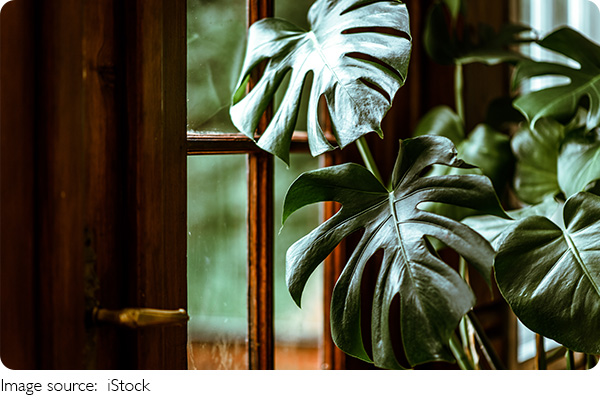
The splits and holes have a name among growers: fenestration, from the Latin for window. One widely accepted explanation is wind resistance. A solid leaf catches gusts like a sail, and a big Monstera leaf in a Central American downpour takes real force. The gaps may let some air pass through.
Light for the lower leaves
Monstera grows as a climber in rainforest understories, so it spends its life partly shaded by its own upper foliage. The holes work as gaps in a canopy, letting scattered light reach the lower leaves on the same plant. A mature Monstera in a bright corner will show this clearly. The leaves near the top develop more splits than the shaded ones underneath, because the upper leaves need to pass light down, not block it.
Why young plants skip the holes
Seedlings and young cuttings produce whole, heart shaped leaves with no splits at all. That's not a sign of poor care. Fenestration usually starts appearing once the plant has a few mature leaves and enough light to support the extra tissue cost. If your Monstera is two years old and still pushing solid leaves, check the light first. A spot a couple of feet from an east or west window is where most indoor plants finally start splitting.
The water drainage trick
There's a second, quieter job. The holes let rainwater run off the leaf surface faster instead of pooling in the middle and encouraging rot. Tropical downpours are heavy, and a leaf that holds a puddle invites fungal problems. The splits channel water toward the edges and down to the roots. It's the same reason the leaf tip has a drip point.
What the holes tell you
Treat fenestration as a report card. More splits and larger holes usually mean the plant is getting decent light and has reached a mature size. Fewer holes, or leaves that come out small and solid, point to dim conditions or a plant that's still young. Don't chase holes by moving it into harsh afternoon sun, though. That burns the leaves before it ever splits them. Bright, indirect light and a moss pole to climb will get you there.
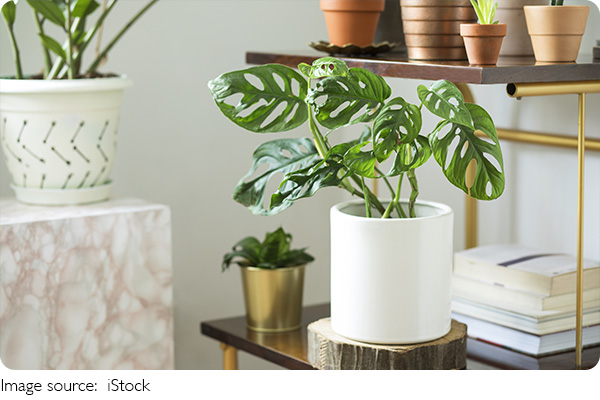
The next time a new leaf opens with those gaps cut into it, don't reach for the pest spray. Look at where the plant sits, how old it is, and how much light it's pulling in. That's the whole story behind the holes, and once you see it, those split leaves stop looking strange and start looking like a plant doing well.
Popular
How Tea Leaves Get Picked
A Walk Through the Plucking and Processing Steps That Turn Fresh Leaves Into the Tea in Your Cup.
Waterleaf Under Threat
How is changing rainfall affecting Nigeria's waterleaf? Unpredictable weather threatens local crops!
Blue Hydrangea Secrets
How to Turn Pink Hydrangeas Into Beautiful Blue Blooms With the Right Soil and Simple Gardening Techniques.
Amazon Without Rain!
What happens when the Amazon dries out? Long-term research reveals how forests may respond to drought!