How Plants Survive Extremes
How Plants Survive ExtremesPosted by Amit Sharma on 16-11-2026
On Trend
A cactus and a cranberry bog both sit under the same sun, but only one of them is built to lose water slowly.
Plants do not just tolerate their environment; they are shaped by it, down to the leaf surface, root depth, and the timing of their blooms.
Desert plants hoard every drop
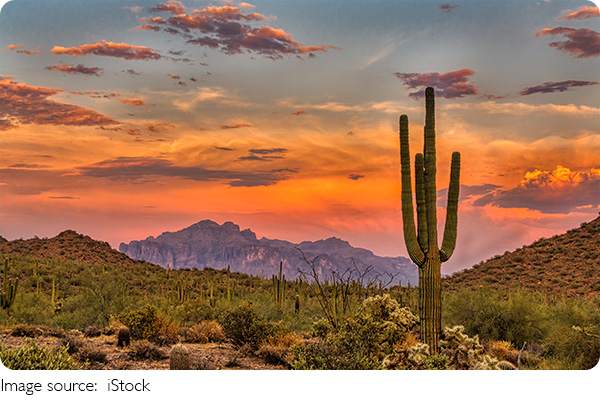
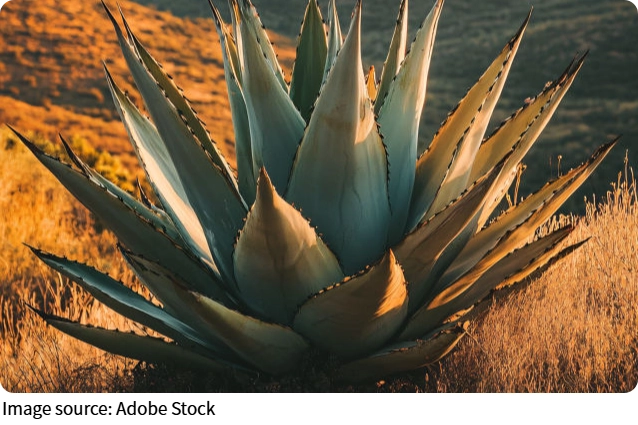
Desert plants face the opposite problem from most gardens: too much sun, almost no rain. The saguaro cactus of the Sonoran Desert stores water in its thick stem and expands like an accordion during rare storms, then slowly uses that reserve for months. Its leaves are entirely gone, replaced by spines that shade the stem and deter animals from tearing into it. Many desert plants, like creosote bush, drop into near-dormancy during drought and only green up after rain. That pause is the adaptation, not a failure.
Wetland plants move air underground
Wetland soil is waterlogged, which sounds helpful until you realize roots need oxygen, and saturated soil has almost none. Cattails solve this with aerenchyma, spongy tissue full of air channels that runs from the leaves down to the roots. Mangroves go further and develop pneumatophores, vertical roots that poke above the mud like snorkels, allowing gas exchange in the open air. Bald cypress trees in Louisiana swamps grow similar knobby roots called knees, and while the exact function is still debated, they clearly help the tree cope with standing water.
Alpine plants stay low and warm
High mountains bring wind, cold nights, and a short growing season, so alpine plants skip the tall-stem strategy entirely. The cushion plant Silene acaulis grows as a tight dome only a few centimeters tall, trapping heat and blocking wind. Edelweiss covers its stems and flowers in woolly white hairs that reduce water loss and reflect harsh ultraviolet light. Many alpine species also use a rosette form, hugging the ground where temperatures stay a few degrees warmer than the air above.
Three strategies, one goal
Put a saguaro, a cattail, and a cushion plant side by side, and the differences are obvious: one stores water, one moves air, one conserves heat. Each one is a direct answer to what its habitat lacks. Desert plants fight water loss, wetland plants fight oxygen loss, and alpine plants fight heat loss. The leaf shapes, root systems, and growth habits all follow from that single pressure.
Next time you pass a plant that looks odd, whether it's a spiny cactus or a fuzzy alpine flower, look at where it's growing and ask what that place is missing. The answer is usually written right into the plant's shape.
Popular
How Tea Leaves Get Picked
A Walk Through the Plucking and Processing Steps That Turn Fresh Leaves Into the Tea in Your Cup.
Waterleaf Under Threat
How is changing rainfall affecting Nigeria's waterleaf? Unpredictable weather threatens local crops!
Blue Hydrangea Secrets
How to Turn Pink Hydrangeas Into Beautiful Blue Blooms With the Right Soil and Simple Gardening Techniques.
Amazon Without Rain!
What happens when the Amazon dries out? Long-term research reveals how forests may respond to drought!