Waterleaf Under Threat
Waterleaf Under ThreatPosted by Vivienne on 19-11-2026
Green Plant
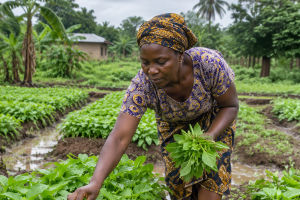
Waterleaf is a familiar ingredient in many Nigerian kitchens, particularly in the southern part of the country. Its soft leaves are used in traditional dishes, and growing the plant provides income for many small-scale farmers.
However, increasingly unpredictable rainfall is making cultivation more difficult. In coastal areas such as Calabar, prolonged downpours and flooded farmland have damaged crops, leaving growers with smaller harvests and markets with fewer supplies.
A Popular Vegetable With Local Importance
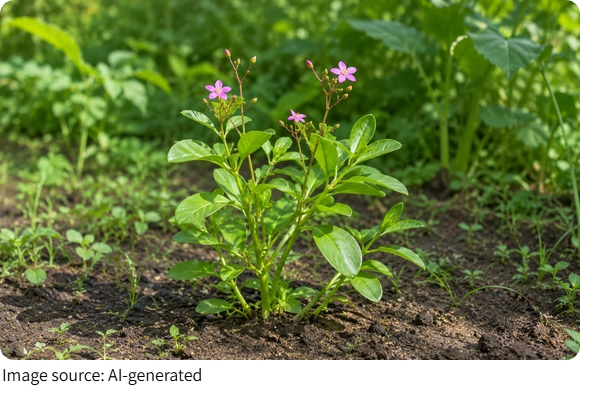
Waterleaf, scientifically known as Talinum fruticosum, is widely cultivated across tropical regions. In Nigeria, it is particularly familiar in southern communities, where many small-scale growers depend on it for their livelihoods. The plant can be grown from seeds or stem cuttings taken from existing crops. Farmers often prefer cuttings because waterleaf seeds can take a long time to germinate.
Its soft leaves and distinctive texture make it a regular ingredient in several local dishes. Waterleaf is commonly combined with vegetables such as fluted pumpkin leaves and Gnetum africanum to prepare popular soups, including afang and edikang ikong.
A 2017 study involving 502 respondents found that 82% reported eating waterleaf. Of those surveyed, 41% included it in their daily diets, while 19% consumed it at least once every two weeks. Although there is no national production estimate, the findings demonstrate how familiar the vegetable is in Nigerian food culture.
Heavy Rain Is Damaging Farm Crops
Farmers in Calabar have reported serious difficulties following persistent rainfall between August and September 2026. Some fields became waterlogged, while newly planted stems failed to develop properly. Enono Koka, a local grower, said much of her crop had been lost after repeated heavy showers. The plants that remained were smaller and less developed than expected.
Another farmer, Joy David Okon, experienced a similar problem. After preparing her land with manure and planting new waterleaf, she returned to find that the growing area had become wet and overrun with weeds. Many of the plants were weak and had not developed as hoped.
Excessive moisture can interfere with the roots' ability to function properly. It can also affect photosynthesis, the process plants use to convert light into energy, and reduce the amount of healthy growth produced.
Too Little Water Is Also a Problem
Although prolonged rainfall has damaged crops, drought can be even more harmful to waterleaf production. A greenhouse experiment conducted between September 2024 and July 2025 compared how waterleaf seedlings responded to severe dryness and prolonged water saturation. Researchers from universities in Canada, Ghana, Sri Lanka and the United States contributed to the investigation, which was published in the journal Crops in September 2026.
The results showed that leaf area fell by 1.9 times under waterlogged conditions and 3.8 times during drought. Photosynthesis also declined in both situations, with the stronger reduction occurring in plants exposed to severe dryness. This means that waterleaf needs careful moisture management. Farmers cannot simply reduce watering or allow rainfall to determine the growing conditions without considering how the soil responds.
The dry months, particularly around December and March, can bring another period of reduced production. High temperatures and limited soil moisture may require growers to water their crops regularly to prevent them from drying out.
Changing Rainfall Makes Planning Difficult
Nigeria traditionally experiences a rainy season that generally extends from April to October, followed by a drier period. However, rainfall patterns have become less predictable in different parts of the country. Research examining rainfall records from 1981 to 2022 identified declining trends in some savanna locations, including areas around Abuja. In contrast, parts of southern and coastal Nigeria have experienced heavier rainfall and more frequent flooding.
Shortages Are Affecting Market Prices
Reduced harvests have consequences beyond the farms. Market vendors in Calabar say they are receiving smaller quantities, making it harder to maintain their usual sales. Some sellers have reduced the amount they purchase because unsold vegetables can spoil and create financial losses. Buyers, meanwhile, have complained about the higher cost of smaller bunches.
Food businesses are also feeling the pressure. Waterleaf is an important ingredient in certain traditional soups, so replacing it is not always straightforward. Restaurant operators have reported paying considerably more for the vegetable while struggling to maintain affordable prices for customers.
Practical Ways to Protect Future Harvests
Agricultural researchers believe better water management could improve the availability of waterleaf throughout the year. Suggested measures include improving drainage and raising planting beds to prevent prolonged water accumulation around roots. Controlled-environment farming, which allows crops to grow under carefully managed conditions, may also reduce the risks associated with extreme weather.
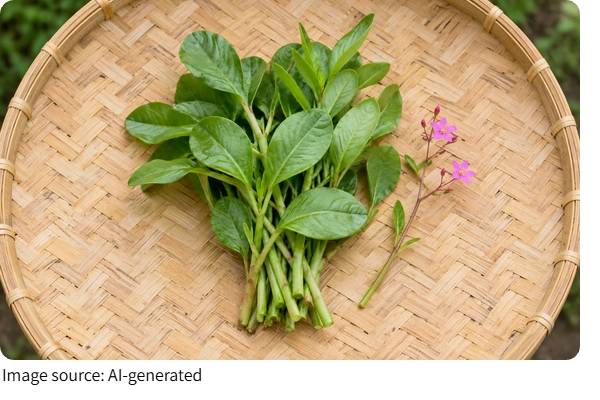
Waterleaf remains an important vegetable for Nigerian households, farmers and food businesses, but unpredictable rainfall is placing pressure on its production. Improved drainage, careful watering and more accessible farming methods could help reduce these losses. Supporting small-scale growers with practical solutions will be important if waterleaf is to remain reliably available in local markets and kitchens.
Popular
How Tea Leaves Get Picked
A Walk Through the Plucking and Processing Steps That Turn Fresh Leaves Into the Tea in Your Cup.
Waterleaf Under Threat
How is changing rainfall affecting Nigeria's waterleaf? Unpredictable weather threatens local crops!
Blue Hydrangea Secrets
How to Turn Pink Hydrangeas Into Beautiful Blue Blooms With the Right Soil and Simple Gardening Techniques.
Amazon Without Rain!
What happens when the Amazon dries out? Long-term research reveals how forests may respond to drought!