Why Your Succulent Stretches
Why Your Succulent StretchesPosted by Owen Murphy on 18-11-2026

On Trend
Hi, everyone. You buy a tight little rosette, give it a sunny windowsill, and three months later it's a tall stem with sad leaves spaced far apart.
That's etiolation, the fancy word for a succulent stretching out toward light it isn't getting enough of. It's not a disease. It's the plant making a survival decision.

Light is the usual suspect
Succulents evolved in open ground with hours of direct sun. A windowsill that feels bright to you can deliver a fraction of that. When light drops below what the plant needs, it releases growth hormones that push the stem upward fast, hunting for a better spot. The new growth comes in pale and the leaves sit farther apart because the plant is spending energy on length, not on building compact tissue. Echeveria and Sempervivum show this fastest. Put a healthy Echeveria in a north-facing window for a month and you'll see the center start to lift and open up.
Water habits matter, too
Here's the part most people miss. Too little light makes a succulent stretch; overwatering is a separate problem that can lead to root rot. Feel the soil before you water. If it's still damp an inch down, wait. Succulents want a soak and then a real dry-out, not a constant moist state.
Season changes the math
Even a good window gets weaker light in winter. The sun sits lower and days are shorter, so a spot that worked in June delivers maybe half the intensity in December. That's why so many succulents go leggy indoors over the cold months. You can offset it by moving the plant closer to the glass, or by adding a simple LED grow light for 10 to 12 hours a day. Crassula ovata, the jade plant, often stretches indoors in winter for exactly this reason.
Fixing a plant that already stretched
You can't shrink the stem back. The stretched part stays that way. What you can do is behead it. Cut the rosette off with a clean blade, leave the cutting in dry air for a few days until the cut end calluses over, then set it on fresh gritty soil. It roots within a few weeks and grows back compact if you give it enough light. The old stump usually pushes out new side shoots too, so you end up with more plants than you started with.
Signs to catch it early
Watch the gap between leaves. On a happy succulent, new leaves stack tight. When the spacing starts widening, or the newest leaves look paler and smaller than the older ones, the plant is already reaching. That's your cue to move it, not a month later. Rotating the container a quarter turn each week also helps, since it stops one side from leaning hard toward the window.
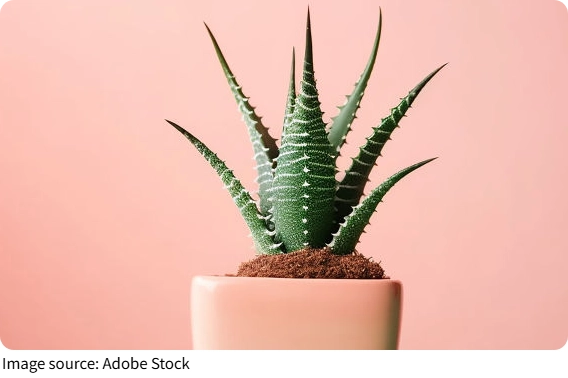
None of this means you failed. Etiolation is just your plant telling you plainly what it needs, and once you read the signal, the fix is straightforward. Check the light in your spot, ease off the watering can, and give that stretched stem a trim. Your succulent will reward you with a tight, tidy rosette again.
Popular
How Tea Leaves Get Picked
A Walk Through the Plucking and Processing Steps That Turn Fresh Leaves Into the Tea in Your Cup.
Waterleaf Under Threat
How is changing rainfall affecting Nigeria's waterleaf? Unpredictable weather threatens local crops!
Blue Hydrangea Secrets
How to Turn Pink Hydrangeas Into Beautiful Blue Blooms With the Right Soil and Simple Gardening Techniques.
Amazon Without Rain!
What happens when the Amazon dries out? Long-term research reveals how forests may respond to drought!