Build a Living Plant Wall
Build a Living Plant WallPosted by Priya on 16-11-2026

On Trend
A plant wall looks like a big weekend project, but the planning takes more time than the building.
Get the plant list, the placement, and the watering rhythm sorted first, and the install goes fast.
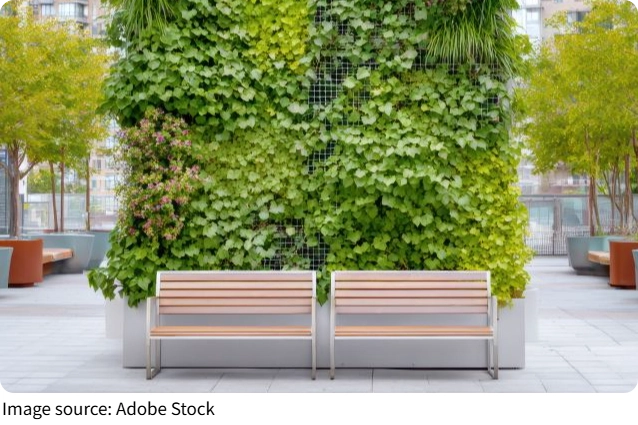
Start with light, not taste
Walk the wall at three points in the day and note where the sun actually lands. A south-facing wall in full afternoon sun will cook ferns and moss, so save that spot for succulents like Echeveria and Sedum, or herbs such as rosemary and thyme. A shaded hallway wall suits ferns, pothos, and peace lilies. If you're mounting indoors, measure the distance to the nearest window; plants more than about 2 meters away usually need supplemental LED growth light.
Match the system to the surface
Modular felt-pocket panels are the easiest for renters, since they fasten into a few anchors and come down clean. For a permanent setup, a framed grid with drip trays can support more weight and keep water off the floor. Check what's behind the wall before you drill; drywall holds small pockets fine, but brick or concrete needs a masonry bit and proper plugs. A pocket panel roughly 1 meter by 1 meter holds around 12 to 16 small plants.
Layer plants by height and habit
Put trailing types like pothos, string of pearls, or ivy along the top edge so they spill downward. Fill the middle with upright growers; snake plant and philodendron work well, and tuck compact fillers like creeping fig or small fittonia into the gaps. Mix leaf shapes and shades; a wall of one species reads flat, while three or four textures together look intentional. Group plants with similar water needs in the same pocket so you're not fighting different schedules.
Watering without the mess
A handheld watering can can soak the wall and drip onto the floor, so plan for it. A simple drip line on a timer, run for about 10 minutes twice a week, handles most setups. If you're going manual, use a long-spout can and water the top pockets slowly, letting gravity carry moisture down. Feel the felt or soil before each watering; damp means wait a day. Overwatering kills more wall plants than underwatering does.
Keep it alive month to month
Trim runners every few weeks so they don't smother neighbors, and rotate the whole panel if one side is fading. Feed with a diluted liquid fertilizer once a month through the growing season, then back off in winter. Watch for the first sign of trouble; yellowing lower leaves usually mean too much water, and crispy edges mean too little humidity. A cheap hygrometer stuck in a pocket tells you more than guessing.

The wall that lasts isn't the fanciest one; it's the one matched to your light and your schedule. Pick plants that suit the spot, set a watering routine you won't skip, and check the pockets once a week. Start with one small panel and see how it holds up before you cover the whole wall.
Popular
How Tea Leaves Get Picked
A Walk Through the Plucking and Processing Steps That Turn Fresh Leaves Into the Tea in Your Cup.
Waterleaf Under Threat
How is changing rainfall affecting Nigeria's waterleaf? Unpredictable weather threatens local crops!
Blue Hydrangea Secrets
How to Turn Pink Hydrangeas Into Beautiful Blue Blooms With the Right Soil and Simple Gardening Techniques.
Amazon Without Rain!
What happens when the Amazon dries out? Long-term research reveals how forests may respond to drought!