Living on the Moon
Living on the MoonPosted by Caleb Ryan on 18-03-2026

Funny Facts
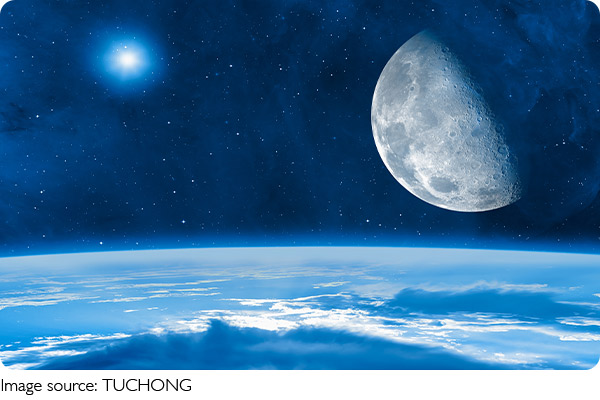
The idea of a permanent base on the Moon has moved from science fiction to serious scientific planning.
Watching astronauts float above the lunar surface, it's hard not to imagine what life might look like for those living there long-term.
But building a functional lunar base comes with enormous challenges, each requiring innovative solutions and careful planning.
Choosing the Right Location
Selecting where to build on the Moon is one of the most critical steps. Scientists look for areas with stable terrain, access to sunlight, and potential resources like water ice. For instance, the lunar south pole is a hotspot because it has craters with water ice and almost constant sunlight on some ridges.
Actionable example: Before constructing habitats, robotic missions can survey sites using ground-penetrating radar to identify water deposits and stable ground for landing and building.
Dealing with Extreme Conditions
The Moon's surface is harsh. Temperatures swing from -173°C at night to 127°C during the day, and there's no atmosphere to shield against solar radiation or meteorite impacts. Habitats need insulation and radiation protection to keep astronauts safe. Some designs suggest covering buildings with lunar soil or using inflatable modules with thick protective layers.
Actionable example: Engineers can test small-scale habitat prototypes under simulated lunar temperatures and radiation to refine building materials and designs before committing to full-scale construction.
Supplying Life Essentials
Sustaining life on the Moon means ensuring a reliable supply of air, water, and food. Bringing everything from Earth is costly, so scientists explore recycling and local production. Water can be extracted from ice, and oxygen generated through electrolysis. Hydroponic gardens could provide fresh food while reducing dependence on Earth shipments.
Actionable example: Start with small hydroponic experiments in controlled environments on Earth, mimicking lunar gravity, to test which crops grow best and how they support astronaut nutrition.
Energy and Power Management
Continuous energy is vital for life support, research, and communication. Solar panels are a natural choice, but lunar nights last about 14 Earth days, requiring energy storage solutions. Nuclear power is another option for continuous energy supply. Balancing energy generation and storage is crucial for uninterrupted operation.
Actionable example: Implement battery banks or small modular nuclear reactors in early lunar outposts to ensure power during extended periods without sunlight.
Transport and Mobility
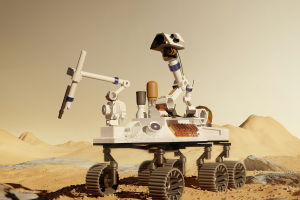
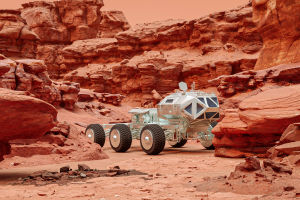
Transporting people, supplies, and equipment between Earth and the Moon remains a logistical challenge. Rovers and lunar vehicles are needed for surface movement, and reliable launch and landing systems must minimize fuel use and maximize safety. Automation can reduce risks and support human crews in exploring and maintaining the base.
Actionable example: Develop autonomous rovers that can perform routine tasks like moving building materials or collecting lunar samples, reducing the workload on astronauts.
International Cooperation
Building a Moon base is too complex for one nation alone. International collaboration allows sharing of technology, expertise, and funding. By dividing responsibilities—one country providing habitats, another energy systems, and another life support technologies—projects become feasible and more innovative. The International Space Station model demonstrates how nations can collaborate on long-term space operations successfully.
Actionable example: Establish clear international agreements outlining which countries contribute specific technologies, training, or resources to avoid duplication and ensure smooth operations.
Creating a permanent lunar base is a monumental task, combining science, engineering, and human determination.
Each challenge—from harsh conditions to energy management—pushes the limits of what we know about living beyond Earth. Yet, with careful planning and collaboration, a Moon base could transform our understanding of space habitation and pave the way for further exploration. Thinking about astronauts tending gardens under a lunar sky reminds us that space is not just a frontier for technology but also for imagination and human resilience.
Popular
Satellite Eyes on Earth
How advanced satellites help track environmental changes in real time.
The Secret Life of Galaxies
Understanding Galaxies: A Journey Through the Universe’s Structure
Cosmic Secrets Revealed
How Space Telescopes Uncover the Life Cycle of the Universe.
Powering Life in Space
How space stations stay alive with energy and support systems.