Optical Telescopes Work
Optical Telescopes WorkPosted by Chandan Singh on 17-03-2026
Funny Facts
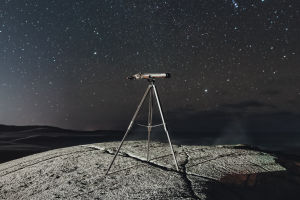
Gazing at the night sky, it's amazing to think that a simple tube can reveal galaxies millions of light-years away.
Optical telescopes, the classic instruments of astronomy, take invisible points of light and transform them into images we can explore.
Understanding how they work uncovers both the elegance of physics and the ingenuity of human design.
Basic Principles of Light Collection
Optical telescopes function by gathering light from distant objects. The larger the lens or mirror, the more light it can collect, allowing astronomers to see fainter stars or planets. This light is then focused to form a visible image.
Actionable example: Even a small amateur telescope can reveal Saturn's rings if you ensure it has a clean lens and is aimed at a bright object away from city lights. The key is maximizing the light-gathering capacity relative to your environment.
Refraction and Lenses
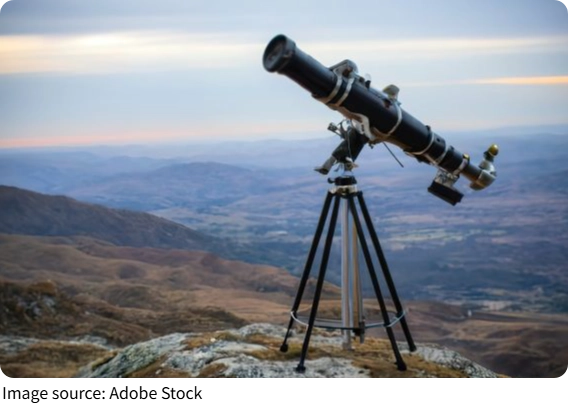
Refracting telescopes use lenses to bend light toward a focal point. The primary lens, called the objective, gathers light and bends it to create a focused image. A smaller eyepiece lens magnifies this image for the observer. One challenge is chromatic aberration, where different colors focus at slightly different points, creating a blurred effect. Modern designs often use compound lenses or special glass to reduce this issue.
Actionable example: When choosing a refractor, check whether it uses achromatic or apochromatic lenses. These designs correct color distortions, giving crisper images of planets and moons.
Reflection and Mirrors
Reflecting telescopes use mirrors instead of lenses to gather and focus light. A concave primary mirror collects light and reflects it toward a secondary mirror, which directs it to the eyepiece. Mirrors avoid chromatic aberration and can be made larger than lenses, making reflectors ideal for deep-sky observations.
Actionable example: Aligning the mirrors, a process called collimation, is crucial. Amateur astronomers can use a laser collimator to adjust mirrors for sharp images of nebulae or star clusters.
Magnification and Eyepieces
Magnification depends on the ratio of the telescope's focal length to the eyepiece's focal length. While it's tempting to use high magnification, too much can make images dim and blurry. Choosing the right eyepiece allows for clear, bright views and adapts to different types of observation, whether planets, the Moon, or distant galaxies.
Actionable example: Start with a low-power eyepiece for wide-field views and switch to higher magnification only when tracking bright objects. This approach reduces shaking and preserves image brightness.
Advanced Features: Tracking and Imaging
Modern optical telescopes often include motorized mounts that track celestial objects as Earth rotates. This keeps stars steady in view, crucial for long observation sessions or astrophotography. Cameras can be attached to capture images, turning telescopes into powerful tools for both visual and digital exploration.
Actionable example: Use a computerized mount to track a planet over several hours, then capture multiple images to stack later. This technique reveals fine details invisible in a single observation.
Choosing the Right Telescope
Selecting an optical telescope depends on your goals, budget, and experience. Refractors are low-maintenance and excellent for planetary viewing, while reflectors excel at deep-sky observation. Compound telescopes, combining lenses and mirrors, offer versatility for both. Understanding these options ensures the right fit for your stargazing ambitions.
Actionable example: If your main interest is lunar and planetary observation, a medium-sized refractor provides sharp, high-contrast images. For observing galaxies and nebulae, a larger reflector offers the light-gathering power needed to see faint objects clearly.

Optical telescopes turn faint points of light into tangible, observable phenomena. Whether through lenses or mirrors, they magnify the universe and reveal details otherwise invisible. Mastering their principles not only enhances your stargazing experience but also deepens appreciation for the physics and engineering behind each instrument. Every night spent observing is a reminder of how ingenuity lets us bring the cosmos within reach.
Popular
Optical Telescopes Work
Discover how these instruments bring distant stars and galaxies into focus.
AI vs. Traditional Coding
Discover how artificial intelligence differs from traditional programming
The Origins of Life in Space
Could life as we know it exist beyond Earth? Here's what science says
The Search for Alien Life
Discoveries That Could Prove We're Not Alone