Gravel Road Tire Tips
Gravel Road Tire TipsPosted by Mei on 15-09-2026
Odd News
Gravel roads can look simple, but loose stones and uneven surfaces require a different approach from paved streets. Tires face more movement, changing traction, and a greater chance of picking up sharp debris.
For rural drivers, a few practical adjustments can help tires stay in better condition while making the drive more comfortable and controlled.
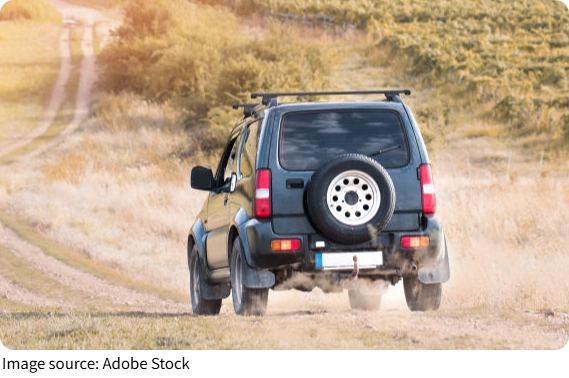
Check Tire Condition First
Before heading onto a long gravel road, take a quick look at all four tires. Check for cuts, cracks, uneven wear, or objects stuck in the tread. A tire that is already worn or damaged has less margin for dealing with rough surfaces.
The tread should have enough depth to maintain traction over loose material. Also inspect the sidewalls, since gravel roads can expose them to stones and rough edges. If anything looks questionable, addressing it before the trip is better than discovering a problem several kilometers from home.
Use the Correct Tire Pressure
Tire pressure plays an important role on gravel. The best starting point is the vehicle manufacturer's recommended pressure, normally listed on the driver's door information label or in the owner's manual.
Avoid making large pressure changes simply because the road is unpaved. Lowering pressure too much can create problems, including reduced steering response and greater risk of tire damage. If a vehicle manufacturer provides a specific recommendation for rough or unpaved roads, follow that guidance rather than relying on a general rule.
Check pressure when the tires are cold for the most consistent reading. Remember that pressure can change with temperature, so regular checks are especially useful when traveling between different conditions.
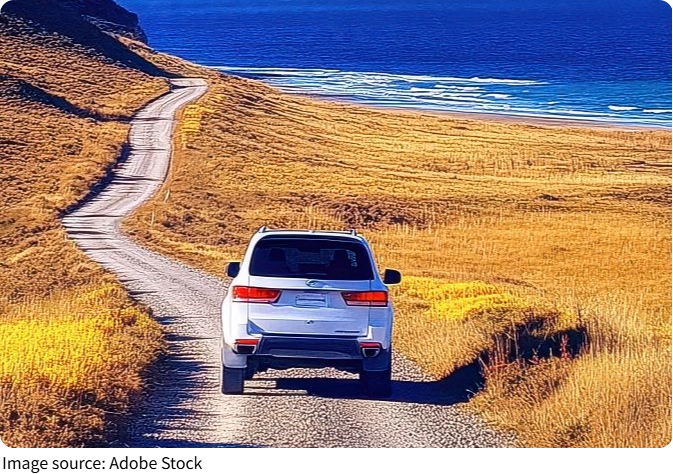
Slow Down on Loose Surfaces
Speed has a direct effect on how a vehicle responds to gravel. At higher speeds, loose stones can reduce stability, while bumps and dips become harder to handle smoothly. A moderate speed gives the tires more opportunity to maintain contact with the road.
It also gives the driver more time to respond when the surface changes unexpectedly. Instead of trying to maintain the same speed used on pavement, adjust according to visibility, road quality, traffic, and the amount of loose material.
Steer and Brake Smoothly
Gravel provides less consistent grip than a paved road, so sudden steering, acceleration, or braking can make the vehicle feel unsettled. Smooth inputs are generally easier for the tires to handle. When approaching a bend, reduce speed before entering it rather than braking sharply while turning.
Keep steering movements controlled and avoid abrupt changes in direction. If the vehicle begins to feel less stable, gentle inputs are usually preferable to quick corrections. This approach is particularly useful on roads with deeper gravel, where the tires may move slightly as they pass through loose material.
Watch for Sharp Stones
Not every gravel road has the same surface. Some have small, rounded stones, while others contain larger or sharper pieces that can be harder on tires. Keep an eye on the road ahead and avoid obvious clusters of large stones when it can be done safely. However, do not make sudden swerves to avoid every individual piece.
Maintaining a steady line is often more sensible than making frequent, aggressive steering changes. After driving through a particularly rough section, check the tires when convenient. Look for new cuts, embedded stones, or visible changes in the sidewalls.
Give Extra Attention to Sidewalls
The tread receives most of the attention, but the sidewalls also deserve a careful inspection. Loose stones can be thrown by the tires or pushed against them when driving near the edge of the road. Try to maintain a reasonable position on the road rather than repeatedly running the tires along the shoulder.
Choose Tires for the Driving Environment
If gravel roads are part of everyday driving, tire selection matters. A tire designed for the vehicle's intended use and the driver's typical road conditions can be a better choice than selecting based only on appearance or price. All-season tires may suit many mixed driving situations, while drivers who regularly travel rougher unpaved roads may need a tire with characteristics better suited to that environment.

Gravel-road driving does not require complicated techniques, but it does reward preparation and restraint. For rural drivers, these simple habits can make gravel travel easier on both the tires and the vehicle while providing a more controlled driving experience.
Popular
Europe’s EV Market Surge
Electric cars reached nearly a quarter of Europe’s new-car market in July as registrations rose and combustion models declined.
UK Reviews EV Targets
Britain is reconsidering its 2030 electric vehicle targets as manufacturers face weaker demand and supply-chain pressure.
Cars Could Boost Recycling
Europe’s car industry could become a major force in plastic recycling as new rules push manufacturers towards circular production.
Gravel Road Tire Tips
Driving on gravel? The right tire pressure and tread can make rural roads much easier!