Front Tire Grip Guide
Front Tire Grip GuidePosted by Zoe on 15-09-2026

Odd News
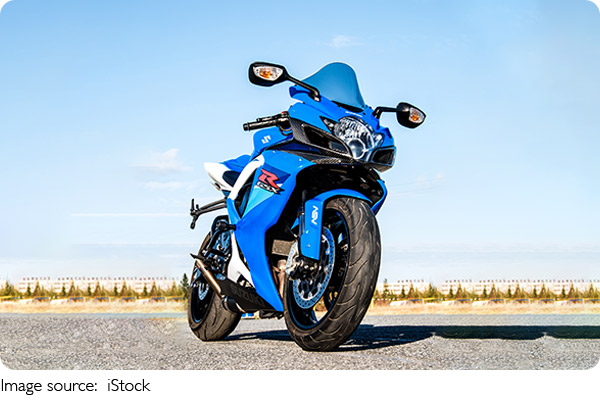
A sport bike’s responsive handling begins with the tires maintaining dependable contact with the road. The front tire is especially important because it contributes to both steering and braking.
Its condition and available traction therefore have a direct influence on how the motorcycle responds to rider inputs.
Front-tire grip is affected by pressure, tread condition, pavement, weather, speed, and riding technique. Understanding these factors helps riders approach corners with greater precision and maintain smooth control.
Steering and Cornering
When a motorcycle turns, the front tire follows the rider’s steering input while supporting the motorcycle through its lean. Consistent contact with the pavement helps the bike maintain its intended direction.
A suitable corner-entry speed and measured steering input allow the rider to establish a controlled line before making the turn. Looking through the corner also helps identify changes in the road ahead.
Braking and Traction
The tires provide the contact needed to transfer braking forces to the road. The amount of available traction influences how effectively the motorcycle can slow while remaining balanced.
Progressive brake application gives the rider greater control over deceleration. Managing speed before a corner is particularly important because braking and cornering place demands on the same available traction.
Tire Pressure
Correct tire pressure is essential to maintaining the motorcycle’s intended handling characteristics. Riders should use the pressure specified by the motorcycle manufacturer rather than estimating it from the tire’s appearance.
Pressure should be checked with cold tires and monitored regularly. Consistent pressure helps the motorcycle perform as designed and provides a reliable starting point for evaluating tire condition.

Tire Condition
Tread, wear, age, and visible condition all deserve attention. Before riding, inspect the tires for signs of deterioration or damage and confirm that the tread remains suitable for use.
Regular inspection is especially valuable because a tire can change gradually over time. Addressing condition issues before riding helps preserve consistent handling.
Road Surface and Weather
The pavement itself can influence available traction. Water, loose material, uneven surfaces, and painted markings may create sections of road that require greater care.
Weather can also change the characteristics of the riding surface. Looking ahead and adapting speed and positioning to the conditions gives the rider more time to respond smoothly.
Speed Through Corners
Speed affects both the motorcycle’s cornering demands and the rider’s available time to react. Entering a bend at a manageable speed makes it easier to maintain a controlled line and use measured inputs.
This becomes increasingly important on unfamiliar roads, tighter bends, or sections where visibility is limited. Establishing an appropriate speed before the turn reduces the need for abrupt adjustments once the motorcycle is committed to the corner.
Smooth Control Inputs
Steering, braking, and acceleration should work together rather than compete for the rider’s attention. Deliberate inputs allow the motorcycle to respond progressively and make its behavior easier to anticipate.
Once a suitable line has been established, unnecessary corrections can disturb the motorcycle’s balance. Maintaining a calm, consistent approach helps preserve control throughout the maneuver.
Building Consistent Handling
Front-tire grip is not determined by a single factor. Tire pressure and condition establish the tire’s readiness, while speed, road surface, and rider inputs influence how that available traction is used.
Regular tire checks, manufacturer-specified pressure, sensible corner-entry speed, and smooth control form a practical foundation for predictable motorcycle handling. Understanding these fundamentals allows sport-bike riders to make better use of the front tire’s role in steering and braking.
Popular
Europe’s EV Market Surge
Electric cars reached nearly a quarter of Europe’s new-car market in July as registrations rose and combustion models declined.
UK Reviews EV Targets
Britain is reconsidering its 2030 electric vehicle targets as manufacturers face weaker demand and supply-chain pressure.
Cars Could Boost Recycling
Europe’s car industry could become a major force in plastic recycling as new rules push manufacturers towards circular production.
Gravel Road Tire Tips
Driving on gravel? The right tire pressure and tread can make rural roads much easier!