Winding Road Speed Control
Winding Road Speed ControlPosted by James Carter on 15-09-2026

Odd News
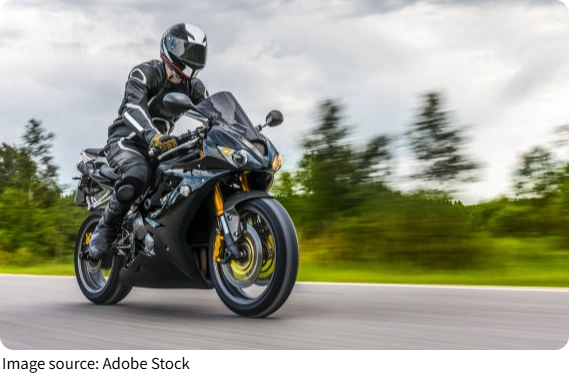
Winding roads require thoughtful preparation because corners can limit visibility and introduce changing pavement, traffic, and road geometry. Good cornering begins before the motorcycle reaches the bend.
A controlled approach combines suitable entry speed, effective observation, appropriate gearing, and smooth inputs. Each element supports the next, allowing the rider to follow the road naturally as the corner develops.
Set the Entry Speed
Reduce speed progressively on the approach and aim to reach a manageable pace before entering the bend.
The appropriate speed depends on the corner’s shape, visibility, pavement, weather, traffic, and riding experience. A posted limit establishes a legal maximum where applicable, but it does not determine the appropriate speed for every bend.
A well-chosen entry speed provides useful time and space for steering and observation.
Read the Corner
Study the road before reaching the turn. Its curvature, markings, signs, visible traffic, and surface characteristics can reveal how the corner may develop.
When the complete bend is not visible, maintain a pace that allows you to respond as additional sections of road come into view. Treat an unseen section as information that has not yet been confirmed.
Look Toward the Exit
Direct your vision toward the visible path of the road rather than fixating on the pavement immediately ahead.
As the corner opens, continue looking toward the developing path and exit. This supports smoother steering and helps maintain awareness of the road environment.
Brake With Precision
Complete most required braking before entering the bend whenever conditions allow. With the motorcycle relatively upright, speed reduction is generally easier to control.
If braking becomes necessary while cornering, apply the brakes progressively and avoid abrupt changes. Smooth pressure allows the rider to make measured adjustments while maintaining a composed motorcycle.
Select an Appropriate Gear
Choose a gear that provides suitable engine response for the corner and avoids unnecessary shifting during the turn.
On a descent, a lower gear can increase engine braking and help manage the motorcycle’s pace. The correct choice varies with the motorcycle, gradient, speed, and road conditions.
Position for Visibility
Select a road position that provides the best practical view of the bend while maintaining suitable clearance from traffic and the pavement edge.
Do not commit to a line based solely on the visible portion of a corner. A position that preserves visibility and adjustment space is more useful when the road ahead remains partially concealed.
Assess the Pavement
Surface conditions can change quickly along a winding route. Wet areas, loose material, uneven repairs, painted markings, and variations in texture may alter the available grip.
Scan the pavement continuously and adapt the motorcycle’s speed and control inputs when conditions change.
Coordinate Your Inputs
Steering, braking, acceleration, and gear selection should be deliberate and progressive rather than rushed.
After passing the tighter section, confirm that the road ahead is clear and the motorcycle is beginning to straighten before increasing acceleration. Gradual transitions help maintain stability and a consistent path.

Develop a Repeatable Routine
Effective cornering follows a simple sequence: prepare early, establish an appropriate entry speed, read the road, look through the bend, select the right gear, and coordinate smooth inputs.
No single speed or technique suits every corner. Conditions vary from one section of road to another, so riders should continually adapt their approach to visibility, pavement, weather, traffic, and the motorcycle.
Consistent preparation gives riders a structured way to approach winding roads while maintaining measured control from entry to exit.
Popular
Europe’s EV Market Surge
Electric cars reached nearly a quarter of Europe’s new-car market in July as registrations rose and combustion models declined.
UK Reviews EV Targets
Britain is reconsidering its 2030 electric vehicle targets as manufacturers face weaker demand and supply-chain pressure.
Cars Could Boost Recycling
Europe’s car industry could become a major force in plastic recycling as new rules push manufacturers towards circular production.
Gravel Road Tire Tips
Driving on gravel? The right tire pressure and tread can make rural roads much easier!