SUV Highway Driving Tips
SUV Highway Driving TipsPosted by Elise on 15-09-2026
Odd News
Highway driving in an SUV can feel relaxed, especially with a higher seating position and generous cabin space. Yet larger dimensions, greater weight, and a different view of the road can change how the vehicle responds at speed.
Good highway habits are less about driving aggressively and more about understanding the SUV, leaving enough room, and making smooth decisions.

Know Your SUV’s Size
The first step is becoming comfortable with the SUV’s dimensions. A wider body and longer wheelbase can make lane positioning feel different from driving a smaller car. Pay attention to the vehicle’s position within the lane, particularly when passing larger vehicles or traveling through narrow sections.
Use the mirrors regularly and make sure they are adjusted before starting the journey. A quick glance at the surroundings should become part of every lane change rather than relying only on the view directly ahead.
Build a Safe Following Gap
Following too closely becomes especially risky at highway speeds because there is less time to respond when traffic slows. Leave enough space between the SUV and the vehicle ahead so there is room to react smoothly.
The appropriate gap depends on speed, weather, traffic, and road conditions. When visibility decreases or the road becomes slippery, increase the distance further. A larger following gap also reduces the need for repeated hard braking, making the drive more comfortable for everyone inside the vehicle.
Maintain a Steady Speed
Constantly changing speed can make highway driving tiring and inefficient. When traffic conditions allow, maintain a steady pace that suits the posted limit and surrounding vehicles.
Cruise control can help on suitable stretches of open highway, but it should not replace attention. Keep watching traffic and remain ready to adjust speed. Avoid using cruise control when conditions are changing quickly or when maintaining control requires frequent speed adjustments.
Change Lanes With Care
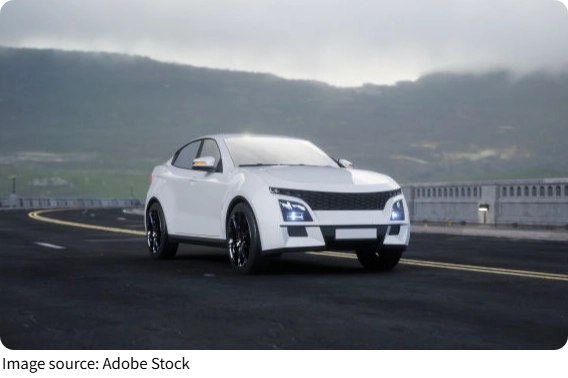
SUV owners should make lane changes deliberately. Start by checking the road ahead, then use the mirrors and check the appropriate blind area before moving. Signal early enough to communicate the intention to other drivers. Once the path is clear, move smoothly rather than making a sudden steering input. After completing the maneuver, cancel the signal if it does not switch off automatically.
Handle Curves Smoothly
Highway bends may appear easy, but speed should always match the curve and conditions. Reduce speed before entering a tighter bend instead of waiting until the vehicle is already turning. Keep steering inputs gradual and avoid abrupt braking while cornering. Smooth control helps maintain a predictable path and makes it easier to respond if traffic or road conditions change.
Be Careful With Heavy Loads
SUVs often have enough space to carry passengers, luggage, and other equipment. However, additional weight changes how the vehicle behaves. Distribute luggage sensibly and secure loose items so they do not move around during sudden braking. Do not exceed the vehicle's specified load limits. If the SUV is heavily loaded, allow additional room for braking and make speed adjustments gradually.
Watch the Road Conditions
Highways can change quickly from smooth and dry to wet, uneven, or covered with debris. Tire condition becomes particularly important because tires provide the connection between the SUV and the road. Check tire pressure according to the vehicle manufacturer's recommendation and inspect the tread regularly.
Take Breaks on Long Trips
Highway journeys can become mentally demanding even when the road appears straightforward. Fatigue can reduce attention and make it harder to notice changes in traffic. For longer trips, take regular breaks and use them to stretch, refresh, and check the vehicle if needed. If concentration starts to fade, stopping somewhere safe is more important than trying to reach the destination without a pause.
Good SUV highway driving comes down to awareness, patience, and smooth control. Understanding the vehicle's dimensions, maintaining a useful following gap, changing lanes carefully, and adjusting speed to road conditions can make a noticeable difference.
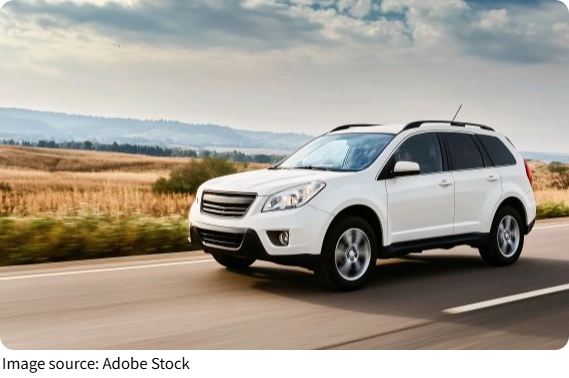
Whether the journey is short or stretches across several hours, the best approach is to stay predictable and leave enough time and space for unexpected changes. With these habits, SUV owners can make highway travel calmer, more controlled, and easier to manage.
Popular
Europe’s EV Market Surge
Electric cars reached nearly a quarter of Europe’s new-car market in July as registrations rose and combustion models declined.
UK Reviews EV Targets
Britain is reconsidering its 2030 electric vehicle targets as manufacturers face weaker demand and supply-chain pressure.
Cars Could Boost Recycling
Europe’s car industry could become a major force in plastic recycling as new rules push manufacturers towards circular production.
Gravel Road Tire Tips
Driving on gravel? The right tire pressure and tread can make rural roads much easier!