Driving Safely in Fog
Driving Safely in FogPosted by Kai on 16-09-2026

Odd News
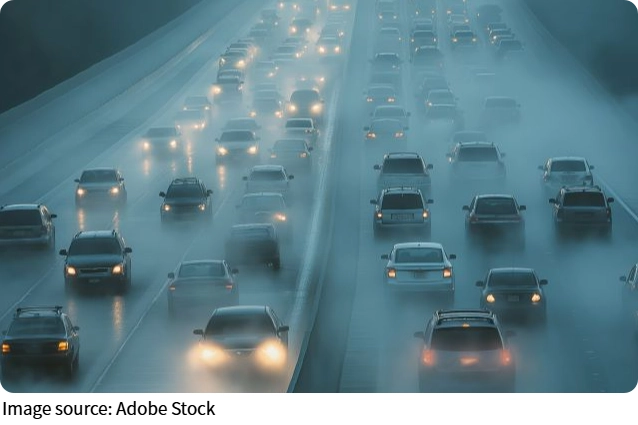
Fog can transform a familiar road into a much harder driving environment within minutes. Visibility may drop sharply, making it difficult to see lane markings, turns, road signs, and other vehicles from a normal distance.
The safest response is not to rely on guesswork or drive as usual. Instead, slow down, increase your awareness, and give yourself more time to react. A few practical habits can make foggy conditions much easier to manage.
Reduce Your Speed
The first adjustment should be your speed. When visibility is limited, slowing down gives you more time to identify hazards and respond to changes in the road. There is no single speed that works for every foggy situation. The appropriate pace depends on how far you can see, road conditions, traffic, and the condition of the road itself.
Avoid using the speed of another vehicle as your guide. The other driver may have a different level of visibility or may simply be traveling too quickly for the conditions.
Use the Correct Lights
Check your vehicle's lighting controls before entering thick fog. Low-beam headlights are generally more useful than high beams because strong light can reflect from water droplets in the fog and make the view ahead more difficult.
If the vehicle is equipped with front or rear fog lamps, use them according to the manufacturer's instructions and applicable road rules. Turn them off when visibility improves so they do not unnecessarily affect other drivers. Keep headlights and other exterior lights clean. Dirt or moisture on the lenses can reduce the amount of light reaching the road.
Increase Your Following Distance
Fog makes it harder to judge how quickly the vehicle ahead is moving or whether traffic has suddenly slowed. Increasing the space between vehicles gives you additional time to react. Avoid following another car closely simply because its rear lights make the road easier to see. Those lights can provide a useful reference, but they should never replace proper visibility and safe following distance.
Follow Road Markings
When visibility is poor, lane markings can become valuable visual references. Keep your attention on the road surface and use clearly visible markings to help maintain your position. Avoid staring only at the vehicle directly ahead. Scan the available area for curves, intersections, signs, changes in the road surface, and other potential hazards.
Keep the Windshield Clear
Foggy conditions can be made worse by moisture or condensation on the inside of the windshield. Use the vehicle's ventilation and defogging settings to maintain a clear view. Make sure the windshield is clean before driving in conditions where visibility may already be limited. Smudges and dirt can create glare when light from other vehicles reaches the glass.
Avoid Sudden Maneuvers
Steering, braking, and acceleration should be smooth. Sudden movements can be harder to manage when the driver cannot clearly see what is ahead. If you encounter a slower vehicle, do not make an abrupt passing maneuver simply because the road appears temporarily clear. Limited visibility can hide vehicles, road changes, or obstacles farther ahead.
Stay Focused on the Road
Fog demands more concentration than normal driving. Put away distractions and keep your attention on the road environment. Avoid using a phone or adjusting complicated vehicle settings while moving. Even a brief distraction can be significant when the available reaction time is already reduced by poor visibility.
Know When to Wait
Sometimes the safest decision is simply to delay the journey. If fog becomes so dense that you cannot maintain a safe view of the road, waiting for conditions to improve can be wiser than continuing. Before setting out, check the expected conditions when possible and allow extra travel time. Rushing because of a schedule can encourage decisions that are inappropriate for the visibility available.
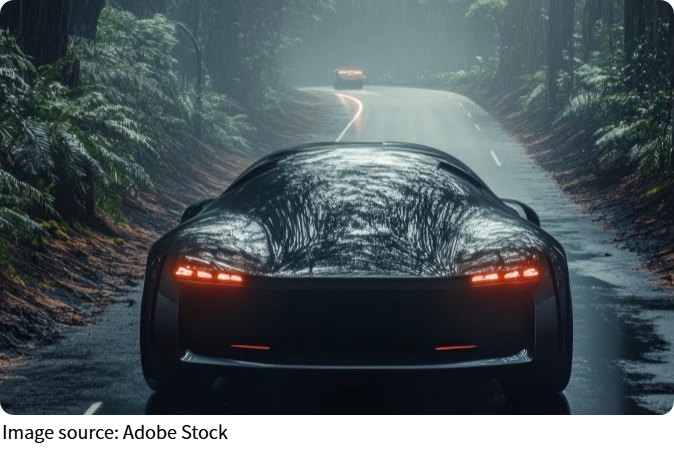
Driving in fog requires a different approach from driving on a clear day. Reduce speed, use appropriate lighting, increase following distance, keep the windshield clear, and make steering and braking inputs smoothly.
Most importantly, drive according to what you can actually see rather than what you expect the road to look like. When visibility becomes too poor for safe travel, stopping in a suitable location and waiting for better conditions is often the most responsible choice. A calm, patient approach can make foggy driving considerably safer.
Popular
Europe’s EV Market Surge
Electric cars reached nearly a quarter of Europe’s new-car market in July as registrations rose and combustion models declined.
UK Reviews EV Targets
Britain is reconsidering its 2030 electric vehicle targets as manufacturers face weaker demand and supply-chain pressure.
Cars Could Boost Recycling
Europe’s car industry could become a major force in plastic recycling as new rules push manufacturers towards circular production.
Gravel Road Tire Tips
Driving on gravel? The right tire pressure and tread can make rural roads much easier!