Hidden Europe Escapes
Hidden Europe EscapesPosted by Naveen Kumar on 25-08-2026
Holiday Topics
Europe in summer does not have to mean squeezing onto an overcrowded beach or spending half the day in queues. Some of the continent’s most rewarding destinations remain outside the usual routes, offering beautiful landscapes and a more relaxed pace.
Here are five places worth considering, with practical 2026 prices for accommodation, food, transport and activities.
1. Alta Badia, Italy
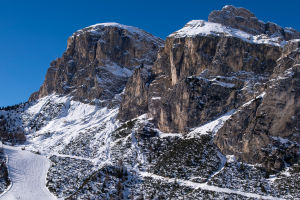
Hidden among the Dolomites in northern Italy, Alta Badia is a strong alternative to busier Alpine resorts. Corvara, La Villa and San Cassiano make excellent bases for hiking, cycling and enjoying dramatic mountain scenery.
Accommodation: summer 2026 hotel rooms with half board start around €90–115 per person per night, while more comfortable properties commonly reach €150–200. Apartments for two can cost €93–135 per night later in the summer season.
Food: choosing half-board accommodation can save considerably because breakfast and dinner are already included. For lunch, mountain huts are ideal for pasta, cheese dishes and simple local meals.
Getting around: You can avoid driving by using mountain lifts. The Alta Badia Summer Card costs €47 for one day, €72 for three days within a four-day period and €93 for five days within seven days.
Do not miss: take the lifts toward Piz La Ila or Piz Sorega and spend the day walking between high-altitude trails and mountain huts.
Travel tip: if hiking is the priority, a multi-day lift pass makes more sense than paying for individual journeys. Stay at least four nights so You are not constantly changing valleys.
2. Pelion Peninsula, Greece
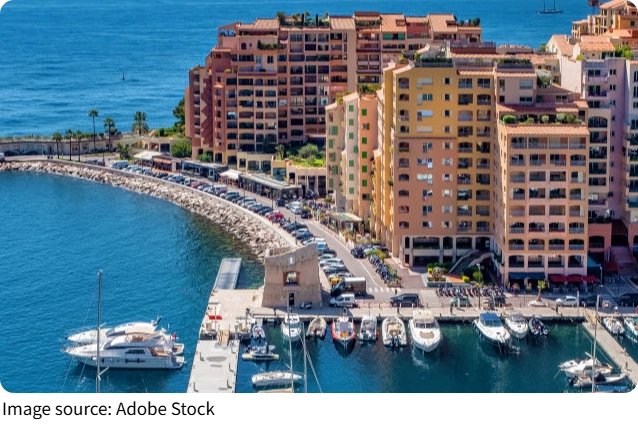
If Greek islands feel too crowded, the Pelion Peninsula offers a quieter combination of mountain villages and Aegean beaches.
The west coast around Milina and Horto has calmer water, while the east offers more dramatic beaches around Agios Ioannis, Damouhari and Fakistra.
Accommodation: studios for two cost €45–70 per night in July and August, while traditional village guesthouses range from €80–140. June and September are cheaper, with studios from €35–55.
Food: a meal in a traditional restaurant generally costs €12–18 per person. Coffee sits around €2.60–3.60.
Getting around: renting a car is the easiest option because beaches and villages are scattered across the peninsula and public transport is limited.
Do not miss: ride the narrow-gauge Pelion Train between Ano Lehonia and Milies, explore the stone villages in the hills and spend a day at Fakistra or another small east-coast beach.
Travel tip: choose one coast as Your main base rather than crossing the mountain every day. The roads are beautiful but winding, and distances take longer than they appear on a map.
2. Pelion Peninsula, Greece
If Greek islands feel too crowded, the Pelion Peninsula offers a quieter combination of mountain villages and Aegean beaches.
The west coast around Milina and Horto has calmer water, while the east offers more dramatic beaches around Agios Ioannis, Damouhari and Fakistra.
Accommodation: studios for two cost €45–70 per night in July and August, while traditional village guesthouses range from €80–140. June and September are cheaper, with studios from €35–55.
Food: a meal in a traditional restaurant generally costs €12–18 per person. Coffee sits around €2.60–3.60.
Getting around: renting a car is the easiest option because beaches and villages are scattered across the peninsula and public transport is limited.
Do not miss: ride the narrow-gauge Pelion Train between Ano Lehonia and Milies, explore the stone villages in the hills and spend a day at Fakistra or another small east-coast beach.
Travel tip: choose one coast as Your main base rather than crossing the mountain every day. The roads are beautiful but winding, and distances take longer than they appear on a map.
3. Baltic Coast, Latvia
Latvia’s western coastline is one of Europe’s easiest places to find genuine empty-beach atmosphere.
Around Ventspils, Liepāja and the quieter stretches toward Kolka, long beaches are backed by dunes and forest rather than enormous resort developments.
Accommodation: in Ventspils, a hotel room during the June–August season can cost €65 without breakfast or €81 including breakfast for two.
Food: casual dishes such as pizza or burgers often cost €6–11, making eating out relatively manageable compared with Scandinavia or Western European beach resorts.
Transport: city buses in Ventspils cost €0.80–1, while long-distance buses between Riga and Ventspils generally cost €9–12.
Do not miss: continue north toward Slītere National Park and Kolka, where the Baltic Sea meets the Gulf of Riga. The surrounding coastline is ideal for cycling, walking and quiet beach days.
Travel tip: Ventspils works well without a car, but rent one for a day or two if You want to reach remote fishing villages and isolated beaches.
4. Albanian Riviera
The Albanian Riviera is no longer completely secret, but choosing Himarë instead of the busiest resort areas can still give You clear Ionian water without Mediterranean prices.
Nearby Potami, Livadhi and smaller coves make Himarë especially useful as a base.
Accommodation: budget beach hotels in June start around €35-60 per night, rising to €80–120 during peak August. In Himarë itself, mid-range accommodation near the beach commonly costs €50–90 in high season.
Food: grilled octopus costs €8–12, seafood risotto €8–15 and a seafood platter for two €25–40.
Getting around: a rental car gives You much greater freedom because many of the best beaches are spread along the coast.
Do not miss: Potami Beach for an easy swimming day, the Llogara Pass for spectacular coastal views and Butrint for an impressive archaeological day trip.
Travel tip: avoid basing the whole trip in Ksamil in August. Himarë gives You easier access to quieter stretches while still offering plenty of restaurants and accommodation.
5. Julian Alps, Slovenia
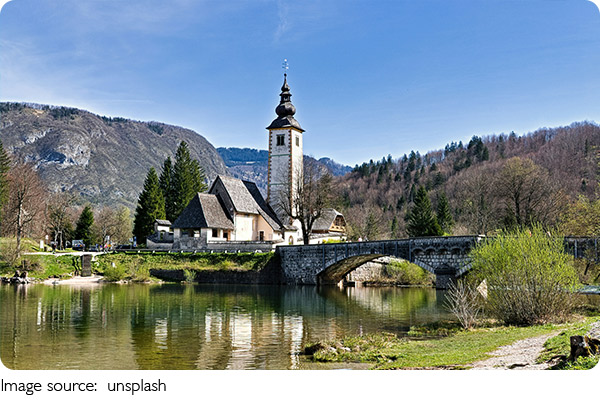
For travellers who would rather spend summer beside rivers and mountains than on a crowded coast, Slovenia’s Julian Alps are difficult to beat.
Bovec is ideal for the emerald Soča River, while Kranjska Gora works well for lakes, hiking and mountain scenery.
Accommodation: August hotel searches in Bovec commonly begin around €130–170 per room per night, depending on availability and comfort level.
Food: expect around €12–16 for simple starters or lighter restaurant dishes, with main meals generally taking the daily food budget to €25–40. One central Bovec restaurant lists local plates from €12.50.
Activities: rafting on the Soča costs €60–62 in high season, kayaking €70 and canyoning €68–70. Some river activities also require an additional local permit.
Do not miss: the Soča Valley, Lake Bohinj and hiking inside Triglav National Park.
Travel tip: reserve water activities before arriving in July or August. If rafting and canyoning are both on Your list, combination packages can reduce the overall cost.
Soča Valley
Where Should You Go?
For the lowest overall budget, Latvia and the Albanian Riviera stand out. Pelion works beautifully for a relaxed Mediterranean holiday, while Alta Badia and the Julian Alps are stronger choices for active travellers willing to spend more on accommodation and mountain activities.
The real advantage of these destinations is not simply lower prices. They offer the kind of summer trip that can be increasingly difficult to find in Europe: slower days, memorable scenery and enough space to actually enjoy the place You travelled so far to see.
Popular
Britain’s River Escapes
From paddleboarding in Yorkshire to canoeing in Scotland, these five river adventures reveal Britain from the water.
Norway’s Milky Way
Cycle quiet gravel roads between alpine lakes, mountain farms and high passes on one of Norway’s most scenic multi-day routes.
Germany’s Wild Islands
Mudflat walks, beaches and millions of migrating birds make the East Frisian Islands one of Germany’s most unusual coastal escapes.
Island Without a Car
Isle of Man: steam trains, trams, and cliff walks – atmospheric and car‑free.