Europe Without Crowds
Europe Without CrowdsPosted by James Carter on 25-08-2026
Holiday Topics
Paris, Rome and Barcelona deserve their popularity, but peak-season queues, expensive accommodation and crowded landmarks are making quieter European destinations increasingly attractive. The good news? You do not have to sacrifice scenery, food or atmosphere to escape the busiest routes.
For 2026, these six places stand out as alternatives with genuine character rather than simply being “cheaper versions” of somewhere famous. The daily budgets below are per person and include accommodation, food, local transport and ordinary sightseeing, but not international flights.
1. Plovdiv, Bulgaria — €45–110 per day
If You want an affordable European city break without sacrificing atmosphere, Plovdiv deserves serious attention.
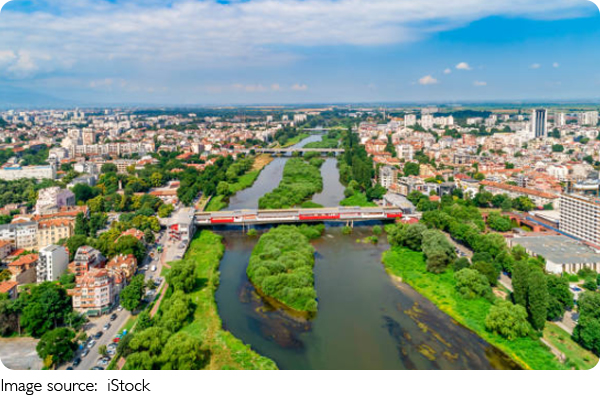
Bulgaria's second-largest city mixes cobbled streets, colourful traditional houses, Roman remains and a surprisingly energetic contemporary cultural scene. The Old Town is compact enough to explore slowly on foot, while elevated parts of the city provide beautiful views across the rooftops.
The biggest advantage is value. Budget hotels generally cost €40–75 per night, hostel beds can fall to €15–30, and casual meals remain considerably cheaper than in many Western European cities. Local public transport is also inexpensive.
Travel tip: give Plovdiv at least two full days rather than treating it as a quick stop. Explore the historic centre early, then save the creative districts, cafés and viewpoints for later in the day.
2. Terracina, Italy — €100–220 per day
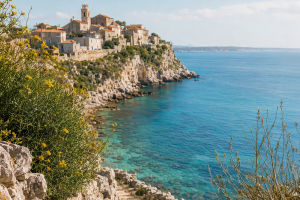
Want an Italian beach holiday without automatically heading to the Amalfi Coast? Terracina sits between Rome and Naples and combines a long sandy shoreline with an old centre and sweeping coastal views.
It feels more like a lived-in seaside town than a carefully polished international resort, which is precisely part of the appeal.
Accommodation is the main summer expense. August is the most expensive month, with typical hotel rates rising sharply compared with spring, so travelling in June or September can make a significant difference.
Travel tip: stay within walking distance of both the beach and old centre. That way You can avoid relying heavily on taxis and split the day between swimming and evening exploration.
3. Villach, Austria — €130–230 per day
Villach is an appealing answer to the question: where can You get Alpine scenery without building an entire trip around the most famous mountain resorts?
Located in southern Austria, it offers access to lakes, mountains and cycling routes while remaining a practical small city rather than a remote resort village.
Summer is perfect for combining lake swimming with hiking and relaxed evenings in town. Accommodation varies considerably by comfort level, with several established hotels listing rates from €140–159 per person including breakfast.
Travel tip: do not spend the entire trip inside Villach itself. Use it as a base for day trips into the surrounding lake and mountain region — that is where the destination really earns its place on this list.
4. Gerês, Portugal — €70–150 per day
Portugal does not begin and end with Lisbon, Porto and the Algarve.
In the north, Peneda-Gerês National Park offers forests, mountains, waterfalls, clear rivers and tiny settlements scattered through a landscape that feels remarkably far removed from Portugal's crowded coastal resorts.
The park covers around 70,000 hectares, making it Portugal's only national park and one of the strongest choices for travellers who would rather spend summer walking than queuing for attractions.
Budget rooms in Gerês can sit around €60–70 per night, while August pushes average accommodation prices considerably higher.
Travel tip: a car makes exploration much easier. Stay for several nights instead of attempting a rushed day trip, and begin longer walks early before afternoon temperatures rise.
5. Machynlleth, Wales — €120–220 per day
Machynlleth is not a destination for travellers seeking famous landmarks every hour. That is exactly why it works.
This small Welsh market town is surrounded by green hills and makes a relaxed base for exploring the Dyfi Valley and wider countryside. Think walking routes, local shops and a slower rhythm rather than packed sightseeing schedules.
Accommodation is not necessarily cheap simply because the town is small. Budget hotel rooms average above €90 when converted from current listings, with high-season rates climbing significantly.
Travel tip: come for the surrounding landscape rather than the town alone. Two or three nights work especially well if You have a car and want to explore nearby walking routes and small communities.
6. Gothenburg, Sweden — €90–180 per day
Stockholm gets much of the international attention, but Gothenburg makes an excellent Scandinavian city break in its own right.
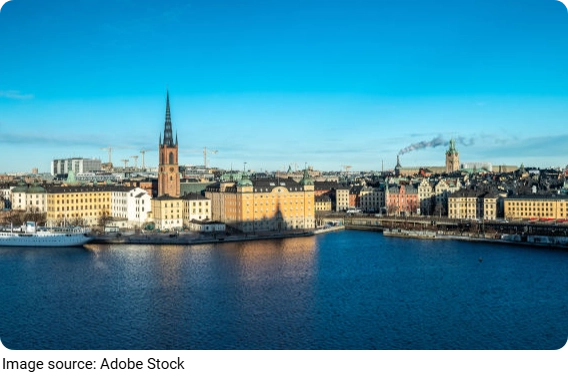
The city combines waterfront neighbourhoods, parks, islands, museums and an easygoing scale that makes it comfortable to explore without feeling overwhelmed.
It is not a bargain destination, but it can be managed intelligently. Current budget estimates begin around €60–70 per day for travellers using hostels and inexpensive meals, while a comfortable mid-range trip sits closer to €130–150.
Travel tip: stay near public transport rather than paying for the most central address. Build one day around the city and another around the nearby archipelago to get two very different experiences from the same trip.
Gothenburg
Choose the Alternative
These destinations work because they are not simply empty substitutes for more famous places.
Plovdiv offers a genuine cultural city break, Terracina delivers an Italian summer by the sea, Villach brings Alpine landscapes, Gerês is built for nature, Machynlleth slows everything down, and Gothenburg provides a less obvious Scandinavian escape.
For 2026, the smartest European trip may be the one that does not begin with the continent's most famous names. Fewer crowds can mean more time exploring, easier reservations and a destination that still feels like somewhere You discovered rather than somewhere everyone was told to visit.
Popular
Britain’s River Escapes
From paddleboarding in Yorkshire to canoeing in Scotland, these five river adventures reveal Britain from the water.
Norway’s Milky Way
Cycle quiet gravel roads between alpine lakes, mountain farms and high passes on one of Norway’s most scenic multi-day routes.
Germany’s Wild Islands
Mudflat walks, beaches and millions of migrating birds make the East Frisian Islands one of Germany’s most unusual coastal escapes.
Island Without a Car
Isle of Man: steam trains, trams, and cliff walks – atmospheric and car‑free.