Top Stargazing Escapes
Top Stargazing EscapesPosted by Pankaj Singh on 22-08-2026
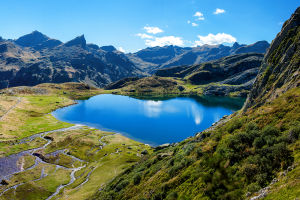
On Trend
Travelling after dark is becoming an attraction in its own right. Instead of building holidays entirely around beaches or cities, more travellers are searching for places where the Milky Way, meteor showers and dense fields of stars are visible without the glow of urban lighting.
A new Clean Sky Index from travel connectivity company Holafly compares destinations using four factors: light pollution accounts for 35% of the score, clear-night frequency for 30%, accessibility for 20% and official Dark Sky recognition for 15%.
The ranking assessed 11 locations and limited the final selection to no more than three destinations from any one country.
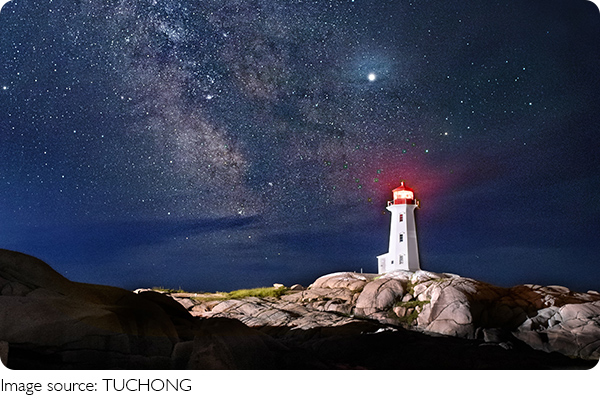
1. Pic du Midi, France
France takes first place with Pic du Midi, an astronomical observatory standing at 2,877 metres in the Pyrenees.
Its advantage is not simply darkness. Holafly found that Pic du Midi offers an unusually strong combination of sky quality and accessibility, allowing it to outperform several far more remote destinations.
Visitors can reach the summit by cable car from La Mongie. In summer 2026, advance day tickets start at €34, while flexible passes begin at €54. Stargazing-focused Galactic Evenings start at €70, and the planetarium costs an additional €8.
The observatory itself can be visited during the day, while the planetarium introduces visitors to constellations, planets and the current night sky. Summer visits depend on weather conditions, so checking operations before travelling is essential.
2. Warrumbungle, Australia
Warrumbungle National Park in New South Wales takes second place.
Australia’s first recognised Dark Sky Park combines unusually clear skies with the presence of Siding Spring Observatory, making the region attractive to both casual observers and serious astronomy enthusiasts.
Unlike destinations where the night sky is simply an added bonus, Warrumbungle has developed a clear identity around astronomy and low-light conditions.
3. Grasslands, Canada
Canada’s Grasslands National Park ranks third.
Its open prairie landscape provides enormous horizons with very little artificial illumination. The area received Dark Sky Preserve status in 2009 and achieved the highest darkness rating used in the index.
It is an especially appealing choice for travellers who prefer wide landscapes and relative solitude rather than high-altitude observatories.
4. NamibRand, Namibia
NamibRand Nature Reserve recorded the darkest skies included in the study, yet finished fourth because reaching it requires considerably more effort.
That result illustrates an important feature of the ranking: absolute darkness alone does not guarantee first place. Accessibility matters too.
The Namibian desert nevertheless remains one of the strongest choices for travellers prepared to make a longer journey specifically for exceptional night skies.
5. AlUla, Saudi Arabia
AlUla combines desert scenery with one of the largest protected dark-sky areas included in the ranking.
Its Dark Sky designation covers more than 6,000 square kilometres, giving visitors the chance to combine archaeological landscapes and desert experiences with nights under exceptionally clear skies.
6. Atacama Desert, Chile
Chile’s Atacama Desert has long been associated with astronomy.
Its extreme dryness, high altitude and frequent clear conditions have made it an important location for major observatories. In the Clean Sky Index, it takes sixth place, demonstrating that even globally celebrated astronomy regions can lose points when practical travel considerations are included.
Atacama Desert, Chile
7–10. Four More Dark-Sky Trips
Spain’s La Palma ranks seventh, followed by Aoraki Mackenzie in New Zealand.
The final two places go to Mauna Kea in Hawaii and Cherry Springs State Park in Pennsylvania.
Together, they show how varied a stargazing holiday can be: volcanic islands, Alpine-style landscapes, high mountains and forested parks can all provide exceptional conditions.
The Full Top 10
Pic du Midi, France
Warrumbungle National Park, Australia
Grasslands National Park, Canada
NamibRand Nature Reserve, Namibia
AlUla, Saudi Arabia
Atacama Desert, Chile
La Palma, Spain
Aoraki Mackenzie, New Zealand
Mauna Kea, Hawaii
Cherry Springs State Park, United States
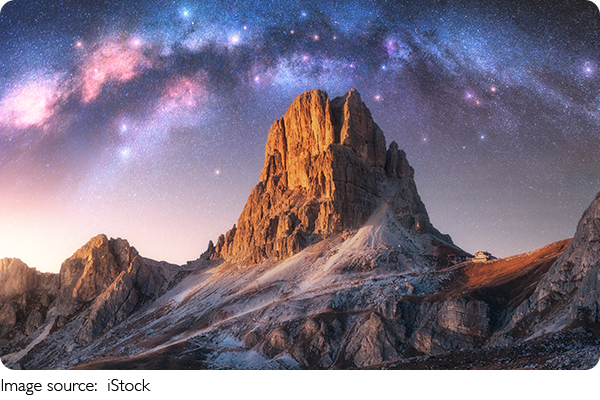
Dark Skies Without Isolation
The ranking’s most interesting conclusion is that a great astronomy trip does not necessarily require travelling to the most inaccessible corner of the planet.
Pic du Midi succeeds precisely because it combines impressive conditions with practical infrastructure. Cable-car access, visitor facilities and organised astronomy experiences make an otherwise dramatic Pyrenean summit surprisingly approachable.
For travellers tempted to plan their first stargazing holiday, France’s winning destination offers a compelling formula: serious astronomy, spectacular mountain scenery and a night sky worth staying awake for.
Popular
Mont Blanc May Limit Hikers
Crowds on the Tour du Mont-Blanc are pushing local authorities to consider mandatory reservations on parts of the route.
Top Stargazing Escapes
A new Clean Sky Index ranks Pic du Midi in France first for combining dark skies, clear nights and easy access.
Europe’s Best Autumn Hikes
From Croatia’s stone-built mountain paths to England’s coast-to-coast trek, these routes are made for autumn.
Wild Transylvania
Beyond famous castles, Romania’s Eastern Carpathians offer forest trails, mountain camps and a quieter family adventure.