Wild Transylvania
Wild TransylvaniaPosted by Mariana Silva on 21-08-2026
Holiday Topics
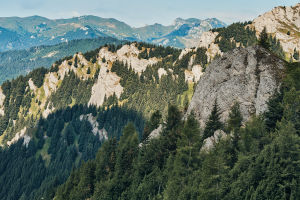
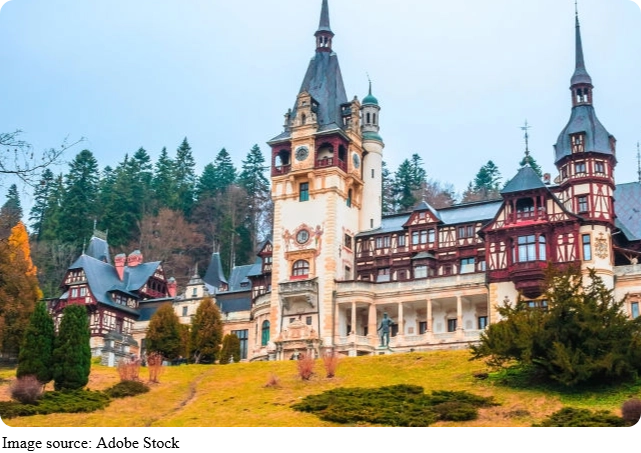
Forget gloomy legends and theatrical castles for a moment. Some of Transylvania’s most memorable experiences lie much farther from its famous tourist attractions, among the densely forested peaks of Romania’s Eastern Carpathians.
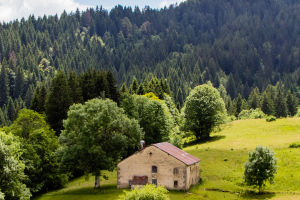
Around Toplița and the Gurghiu Mountains, days can revolve around hiking, mountain streams, simple local food and long stretches of silence. The landscape remains remarkably wild, with valleys disappearing beneath forests and peaks rising well above 1,500 metres.
Into the Gurghiu Mountains
Toplița makes a useful base for exploring this part of Transylvania. From here, mountain roads climb into the Gurghiu range, an area characterised by volcanic terrain, broad meadows and extensive conifer forests.
The highest point of the range, Saca Mare, reaches 1,777 metres. The peak can be approached from Sovata or Bucin Pass, mostly along forest roads, and a mountain refuge maintained by the local rescue service stands nearby.
Families do not necessarily need to aim for the highest summit. Shorter forest walks, picnic stops and meadow routes can provide just as much sense of wilderness without demanding an exhausting day.
For more experienced hikers, the wider Upper Mureș and Gurghiu area offers marked trails, cycling, horse riding and other outdoor activities.
A Night High Above the Valleys
One of the simplest ways to experience these mountains is to stay out until evening.
At around 1,500 metres, the atmosphere changes quickly as daylight disappears behind the tree line. A campfire, freshly prepared trout and the sound of birds can replace the usual restaurant-and-hotel routine.
The region has a long tradition of cooking fish simply, including over heated stone. There is little need for elaborate entertainment when the surrounding mountains provide it naturally.
For families, this slower rhythm can become the highlight: gathering around the fire, watching the changing light and discovering just how quiet a mountain can become after sunset.
Look Beyond Gurghiu
Neighbouring Călimani offers another striking landscape. The Mureș River separates the Gurghiu and Călimani volcanic ranges, creating dramatic valleys where forested mountains rise steeply from the water.
One notable hiking destination is Scaunul Domnului, or 1,381-metre formation in the south-western Călimani Mountains.
A marked route beginning in Bistra Mureșului runs for approximately nine kilometres and usually takes three to four hours. It is rated as medium difficulty, making it more appropriate for families with older children who already have hiking experience.
The wider Upper Mureș Gorge Natural Park covers about 9,000 hectares and includes forests, protected wildlife and opportunities for hiking and seasonal rafting.
Sharing the Mountains With Bears
Romania’s Carpathians are important brown bear habitat, which makes wildlife part of the attraction but also demands sensible behaviour.
Bear encounters should never be treated as an informal sightseeing opportunity. Romanian wildlife-management guidance stresses the importance of visitor education, avoiding disturbance and preventing animals from becoming accustomed to people. Controlled observation with specialists is considered safer than independently searching for bears.
On family walks, staying together, following marked routes and local advice, keeping food secured and avoiding deliberate approaches to wildlife are sensible precautions.
A local guide can be particularly valuable in remote areas, both for navigation and for understanding how to behave in bear habitat.
Transylvania
How Much to Budget
Transylvania remains relatively affordable compared with many Alpine destinations.
For a family trip based around hiking and nature, allow roughly €35–€55 per person per day excluding accommodation. That can cover casual meals, snacks, local transport and modest outdoor activities.
Independent hiking is largely free, while guided walks and organised experiences add to the daily cost. Accommodation varies considerably, from simple guesthouses to more comfortable mountain lodges, so staying outside the major tourism centres can help keep costs lower.
A three- or four-day stay is enough to combine forest walks, one longer mountain route and a slower day around Toplița or the Mureș Valley.
When to Go
Late spring through early autumn offers the easiest conditions for family hiking. Summer brings long daylight hours and greener trails, while September can offer cooler walking temperatures and quieter paths.
Weather can change quickly at altitude, so even on warm days it is worth carrying an extra layer and waterproof protection.
Transylvania Without the Clichés
The best reason to visit this corner of Romania has little to do with legends.
It is the feeling of being surrounded by forest with almost nothing between you and the horizon: mountain roads, cold streams, distant peaks and enough quiet to make a few days feel considerably longer.
Popular
Europe’s Best Autumn Hikes
From Croatia’s stone-built mountain paths to England’s coast-to-coast trek, these routes are made for autumn.
Wild Transylvania
Beyond famous castles, Romania’s Eastern Carpathians offer forest trails, mountain camps and a quieter family adventure.
Burgas 2027 Guide
Beaches, parks and low prices make Bulgaria’s Eurovision host an easy Black Sea city break.
Andorra Beyond Skiing
Mountain walks, thermal pools and historic streets reveal another side of Andorra.