Five European Escapes
Five European EscapesPosted by Ethan Sullivan on 25-08-2026
On Trend
Europe has no shortage of famous cities, but some of the most rewarding trips begin away from the usual Paris–Rome–Barcelona route. The source list ranges from capitals and islands to mountain regions and road trips, highlighting both iconic destinations and quieter alternatives.
For a more focused trip, these five places stand out because each offers a different experience: an affordable cultural break, a Baltic city, an Alpine lake, a mountain road trip and a Scandinavian escape.
The daily budgets below are per person and cover accommodation, meals, local transport and ordinary sightseeing. International flights are not included.
1. Plovdiv, Bulgaria — €50–110 per day
Plovdiv is one of the strongest choices if You want culture without Western European prices.
Bulgaria’s second-largest city is known for its cobbled Old Town, colourful traditional houses and impressive Roman heritage. One of the main sights is the Ancient Theatre of Philippopolis, which overlooks the city and remains one of Plovdiv’s most memorable landmarks. The wider centre is compact, so most sightseeing can be done on foot.
Spend time wandering the Old Town, continue into the creative Kapana district and climb one of the city’s hills around sunset for panoramic views.
Travel tip: stay close to Kapana rather than directly inside the most historic streets. You will still be able to walk almost everywhere while having easier access to restaurants and modern neighbourhoods. Two or three nights are enough for a relaxed first visit.
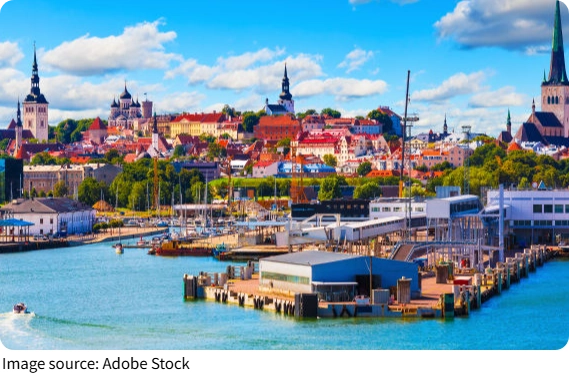
2. Tallinn, Estonia — €65–130 per day
Tallinn offers medieval atmosphere without requiring an entire week of travel.
The Old Town is the obvious starting point, with narrow streets, defensive walls and historic merchant houses. But do not make the mistake of spending the whole trip there.
Walk into Kalamaja for colourful wooden houses and a more residential atmosphere, explore the Telliskivi creative area and continue toward the Noblessner waterfront. Tallinn is compact enough that walking can cover much of the centre, while buses and trams make longer journeys simple. Public transport generally operates from early morning until around midnight, with additional night services on Fridays and Saturdays.
A budget traveller can manage around €65 per day, while a more comfortable city break commonly reaches €90–130.
Travel tip: visit the Old Town early in the morning. Cruise passengers can make the central streets considerably busier later in the day.
Three days work particularly well.
Tallinn, Estonia
3. Lake Bled, Slovenia — €90–170 per day
Lake Bled looks almost suspiciously photogenic: blue-green water, Alpine peaks and a small island sitting in the middle of the lake.
The destination is not only about taking the famous photograph. Walk the path around the lake, swim during summer, hire a bicycle or continue into the surrounding mountains. Nearby Lake Bohinj is an excellent addition if You want a more natural and less polished atmosphere.
Current 2026 estimates place a typical daily budget around €130 for a solo traveller, although costs can be lower with simple accommodation and free outdoor activities.
Prices around the waterfront tend to be higher. Restaurants and accommodation just a short distance away can be noticeably cheaper; local guidance suggests prices may fall 30–40% only a few hundred metres from the lakefront.
Travel tip: spend at least two nights rather than arriving only as a day visitor. Early mornings and evenings are when Bled feels most peaceful.
For outdoor travellers, add another day for Bohinj or Triglav National Park.
4. Transylvania, Romania — €60–140 per day
Transylvania works best when treated as a journey rather than a single destination.
The region combines mountain landscapes, small towns and one of Europe’s most memorable driving routes: the Transfăgărășan.
The road climbs through the Făgăraș Mountains to more than 2,000 metres, eventually reaching the dramatic surroundings of Lake Bâlea. It is a route where stopping regularly is part of the experience, so avoid building an overly ambitious schedule.
Brașov makes a practical base for exploring the wider region, while Sibiu is another attractive stop if You have several days.
Accommodation and meals remain relatively affordable compared with Alpine Western Europe, allowing a comfortable trip on around €80–140 per day, particularly when two travellers share a car and room.
Travel tip: the Transfăgărășan is seasonal. Snow normally restricts access during the colder part of the year, and the source recommends planning this journey between June and September.
Allow four to five days if You want the road trip to feel relaxed rather than rushed.
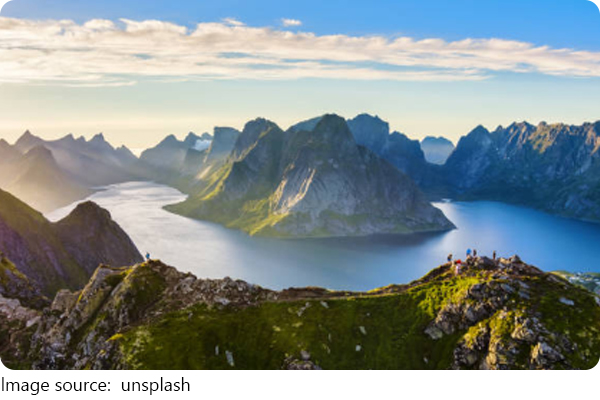
5. Oslo, Norway — €140–250 per day
Oslo is the expensive option on this list, but it also shows how easily a city break can include nature.
The Norwegian capital combines contemporary architecture, waterfront districts, museums, public art and immediate access to the Oslo Fjord.
Spend one day exploring the harbour and modern city centre, then use ferries to reach islands and coastal scenery without needing a separate road trip.
Public transport is particularly useful because the same network connects buses, trams, trains and ferries, making an all-day ticket a sensible option for active sightseeing.
Food and accommodation will dominate the budget, so expect €140–250 per person per day for a realistic trip.
Travel tip: choose accommodation with breakfast included and use supermarkets or bakery lunches occasionally. Save restaurant spending for one meal rather than eating out three times a day.
Three days are enough for the city; add a fourth if You want more time around the fjord.
Which One Should You Choose?
For the lowest budget, Plovdiv is the clear winner. Tallinn suits a short atmospheric city break, while Lake Bled is ideal if scenery and outdoor activities matter more than museums. Transylvania rewards travellers who enjoy road trips, and Oslo works for anyone willing to spend more for Scandinavian design and easy access to nature.
The most memorable European trip does not have to involve five capitals in seven days. Choosing one compact city, lake or region and exploring it properly can give You more experiences, fewer exhausting transfers and often a much better sense of the place itself.
Popular
Britain’s River Escapes
From paddleboarding in Yorkshire to canoeing in Scotland, these five river adventures reveal Britain from the water.
Norway’s Milky Way
Cycle quiet gravel roads between alpine lakes, mountain farms and high passes on one of Norway’s most scenic multi-day routes.
Germany’s Wild Islands
Mudflat walks, beaches and millions of migrating birds make the East Frisian Islands one of Germany’s most unusual coastal escapes.
Island Without a Car
Isle of Man: steam trains, trams, and cliff walks – atmospheric and car‑free.