Getting Around Norway!
Getting Around Norway!Posted by Kai on 29-10-2026
Travel and Fun
Norway offers travelers beautiful coastlines, mountain scenery, charming villages, and lively cities. Getting around the country can be an enjoyable experience, with trains crossing scenic landscapes, ferries sailing through fjords, and roads leading to remote destinations.
The best transport option depends on the itinerary, budget, and available time. Combining different methods can make exploring Norway more convenient and memorable.

Travel by Train for Scenic Views
Trains are a comfortable way to travel between major Norwegian cities, including Oslo, Bergen, Trondheim, and Bodo. Many routes pass through valleys, mountains, and picturesque countryside, making the journey part of the experience. The Bergen Line is especially popular with travelers who appreciate beautiful landscapes. Some longer routes also offer overnight services, helping passengers save daytime hours.
Ticket prices depend on the route and booking date. As a general estimate, some advance one-way fares may start at €20–€30, while popular departures and last-minute tickets can cost more. Booking early can help travelers find better prices.
Norway
Take Buses to Smaller Towns
Buses connect destinations that are not easily reached by train, including smaller towns and rural communities. Long-distance coaches can also provide practical connections between cities. For budget-conscious travelers, buses are worth considering, although journey times depend on road conditions and the distance involved. Some routes operate less frequently outside busy travel periods.
Allow approximately €18–€45 for certain longer intercity journeys as a preliminary budget. Actual fares vary, so checking schedules and prices before departure is advisable.
Explore the Fjords by Ferry
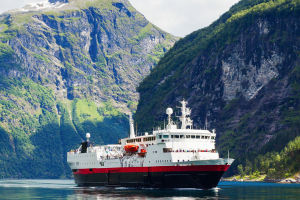
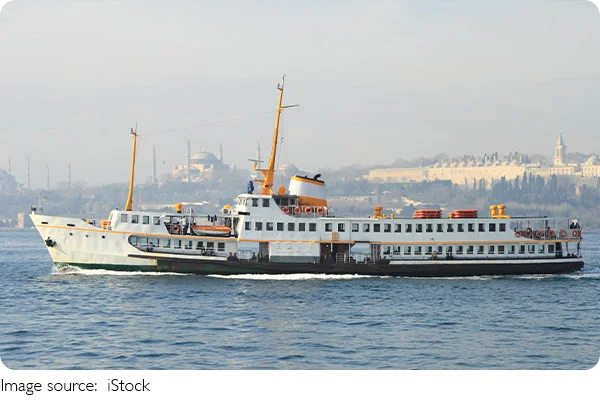
Ferries are an important part of Norway's transport network, connecting coastal communities, islands, and destinations around the fjords. Some services carry cars, while others are designed primarily for passengers. Short passenger crossings may cost around €5–€20, depending on the route and service. Vehicle transport usually involves additional charges.
During summer, popular routes can become busy, so checking departure times and reservation requirements beforehand is helpful. Ferry journeys also offer opportunities to admire mountain views, waterfront villages, and peaceful stretches of water while traveling between destinations.
Rent a Car for Flexible Travel
A rental car is useful for reaching remote viewpoints, small villages, and places with limited public transport. Driving allows travelers to adjust their schedules and stop whenever an interesting landscape appears. However, expenses extend beyond the rental fee. Fuel, tolls, parking, and vehicle ferry charges can increase the overall cost. Mountain roads may be narrow and winding, while winter conditions require additional preparation.
As a starting estimate, budget around €50–€100 per day for a rental car before fuel and other expenses. Prices depend on the season, vehicle type, and rental location.
Consider Domestic Flights
Norway's considerable north-to-south distance makes domestic flights useful for travelers with limited time. Flights connect major cities and provide access to destinations that would otherwise require lengthy journeys. Some advance one-way fares may begin around €60–€100 on selected routes, although prices vary significantly. Airport transfers, baggage allowances, and check-in time should also be included when comparing options.
Use Public Transport in Major Cities
Cities such as Oslo, Bergen, and Trondheim have public transport networks that make sightseeing easier. Depending on the city, options include buses, trams, metro services, and local ferries. A single local journey may cost approximately €3–€7, although fares differ by city and travel zone. Daily or multi-day passes can provide better value for visitors planning several journeys.
Plan Transport Around Your Budget
Booking train tickets early, comparing bus fares, and checking local travel passes can help reduce transportation costs. Travelers should also allow enough time for connections, particularly when combining buses, trains, and ferries. Those visiting major cities may find public transport sufficient, while visitors exploring remote areas might benefit from renting a car. Flights can save time when covering long distances, making them useful for shorter holidays.
Norway offers several practical ways to explore its cities, countryside, and coastal landscapes. Trains provide scenic journeys, buses connect smaller destinations, ferries cross the fjords, and rental cars offer flexibility. Domestic flights can also help travelers cover long distances efficiently. Choosing transport according to the itinerary, comparing fares, and booking ahead can make a Norwegian trip smoother and more affordable.
Popular
Botswana Uncovered!
Ready to explore Africa's wilderness? Find Botswana's iconic wildlife and spectacular landscapes!
Namibia's Wild Side!
Ready for adventure? Explore Namibia's giant dunes, ancient rock art, and incredible wildlife!
Glacier Park Wonders!
What makes Glacier National Park so special? Find its stunning lakes, trails, and wildlife!
New Zealand Great Hikes!
Planning New Zealand's Great Walks? Learn about hut bookings, hiking gear, and trail tips before setting out!