Rapa Nui Crossroads
Rapa Nui CrossroadsPosted by Kwame Johnson on 26-10-2026
Holiday Topics
More than 3,700 kilometres from mainland Chile, Rapa Nui is one of the world’s most extraordinary destinations. Its mysterious stone statues, rugged coastline and ancient volcanic landscapes attract travellers seeking unforgettable cultural experiences.
Yet behind its peaceful scenery, the island faces growing challenges. Increasing visitor numbers, pressure on natural resources and ambitious infrastructure projects have raised questions about how tourism can develop without damaging local communities.
Why This Remote Pacific Island Is So Special
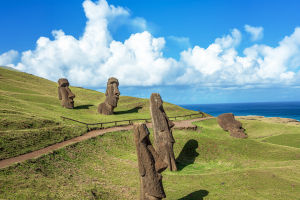
Covering approximately 165 square kilometres, Rapa Nui is famous for its nearly 1,000 moai, enormous stone figures created by the island's Indigenous Polynesian inhabitants. Many stand on ceremonial platforms overlooking the Pacific Ocean.
Rano Raraku, a volcanic quarry where hundreds of statues were carved, is among the most fascinating archaeological sites. Nearby Ahu Tongariki features 15 restored moai, while Rano Kau offers spectacular views across a volcanic crater. Visitors can explore these landmarks through guided walks, cultural excursions and scenic coastal routes.
Tourism Creates Growing Challenges
Tourism supports an estimated 80% of the island's population, providing employment in accommodation, guiding and local businesses. However, more than 100,000 visitors arrive annually, placing pressure on infrastructure and natural resources.
Residents have reported water shortages, electricity disruptions and increasing waste. Popular archaeological locations can become crowded even while other parts of the island remain almost deserted. Local communities are therefore calling for tourism that prioritises environmental protection and cultural preservation.
Why The Airport Is Expanding
Chile is investing approximately €357 million in modernising Mataveri Airport, the island's main connection with the outside world. The project includes replacing the current passenger terminal with a facility almost three times larger.
Authorities argue that improvements are essential for medical travel, supplies and everyday transport. However, some residents worry that increased airport capacity could encourage excessive tourism and further strain limited resources.
The debate also reflects longstanding disagreements concerning Indigenous land rights and local decision-making.
Chile
How Much Does A Visit Cost?
Reaching Rapa Nui requires a flight from Santiago, taking approximately five and a half hours.
Return tickets generally cost around €305–€450, although peak-season fares can exceed €580.
International visitors pay approximately €89 for admission to Rapa Nui National Park, with tickets valid for 10 consecutive days.
Budget accommodation can start at around €25–€45 per night, while comfortable hotels generally cost considerably more.
Allow approximately €27–€45 daily for meals and €90 or more for a full-day guided excursion.
A four-day trip from Santiago typically costs around €1,070–€1,430 per person on a relatively economical itinerary.
How To Travel Responsibly
Visitors must complete an official entry form, provide a return ticket and confirm accommodation registered with Chilean tourism authorities. Tourist stays are limited to 30 days.
Most archaeological sites require an accredited local guide. Choosing Indigenous-owned accommodation, walking tours and local businesses can help support the island's economy. Visitors should stay on designated paths, avoid touching the moai and minimise waste.

When Is The Best Time To Go?
December to March offers warmer weather, while April to November generally provides quieter conditions for sightseeing. February brings the Tapati Rapa Nui festival, celebrating local traditions through music, dance and cultural competitions.
For travellers, Rapa Nui offers an unforgettable encounter with Polynesian heritage. Its future, however, depends on balancing tourism with the needs of the people who call this remarkable island home.
Popular
Botswana Uncovered!
Ready to explore Africa's wilderness? Find Botswana's iconic wildlife and spectacular landscapes!
Namibia's Wild Side!
Ready for adventure? Explore Namibia's giant dunes, ancient rock art, and incredible wildlife!
Glacier Park Wonders!
What makes Glacier National Park so special? Find its stunning lakes, trails, and wildlife!
New Zealand Great Hikes!
Planning New Zealand's Great Walks? Learn about hut bookings, hiking gear, and trail tips before setting out!