Japan’s Ama Divers!
Japan’s Ama Divers!Posted by Arvind Singh on 26-10-2026
Travel and Fun
Japan’s Mie Prefecture offers a fascinating glimpse into a coastal way of life shaped by the sea. Along its shores, the ama divers are known for their traditional free-diving skills, using their breath-holding abilities to gather marine resources without relying on complicated diving equipment.
Their knowledge has developed over generations, making their work an important part of the region’s cultural identity. For visitors, learning about the ama provides an opportunity to understand local traditions, coastal communities and the close relationship between people and the natural environment.
Who Are the Ama Divers?
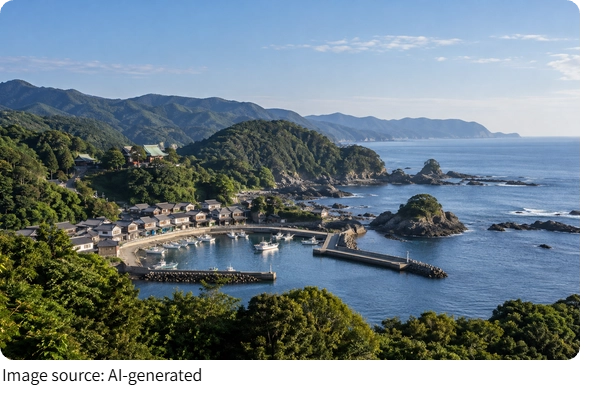
The word ama refers to traditional Japanese divers who gather resources from coastal waters. In Mie Prefecture, particularly around Toba and the Shima Peninsula, this practice has a long history. The divers rely on swimming ability, careful observation and familiarity with the sea rather than underwater breathing equipment.
Mie
Their work requires patience and physical skill. Divers must understand changing water conditions, manage their breathing and know when to return to the surface. Their practical knowledge develops through years of experience and is passed between generations.
The tradition is closely connected to community life. Ama divers have built strong working relationships, sharing experience and maintaining customs that distinguish their coastal communities. Their stories offer visitors a more personal understanding of Japan beyond its busy cities and well-known sightseeing districts.
Traditional Skills and Distinctive Clothing
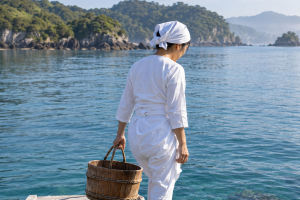
One recognizable feature of the ama tradition is the divers' traditional white clothing, often associated with their working heritage. The outfit provides a distinctive visual connection to earlier generations, although modern clothing and equipment may vary between individuals and communities.
Another memorable detail is the short whistle some divers make when they surface. Known as isobue, this sound helps communicate that a diver has returned above the water. It is a small but meaningful example of how the tradition incorporates practical communication into everyday work.
Free diving also requires awareness of personal limits. The divers' knowledge of local waters and their ability to judge conditions are essential parts of their expertise. Watching a demonstration helps visitors appreciate that this tradition involves much more than entering the sea; it requires experience, discipline and an understanding of the surrounding environment.
Discover Ama Culture in Toba
Toba is one of the most convenient places to learn about ama culture. Located on the eastern side of the Shima Peninsula, the city combines coastal scenery with opportunities to experience local heritage. One option is to visit an ama hut, a traditional resting place associated with the divers. Some huts welcome visitors and offer opportunities to hear personal stories in an informal setting. R
At Hachiman Kamado, visitors can experience the atmosphere of an ama hut and learn about the divers' routines and community connections. Activities and meal arrangements depend on the experience offered, so checking the current programme before making plans is advisable.
Watch Ama Diving Demonstrations
Another worthwhile stop is Mikimoto Pearl Island, where visitors can learn about pearl cultivation and watch ama diving demonstrations. The island combines cultural displays with live presentations, giving guests a closer look at the divers' movements and traditional techniques.
The demonstrations show how divers enter the water and descend using controlled movements. Schedules vary throughout the year, and presentations may be cancelled when weather conditions are unsafe. Checking the day's timetable before visiting helps avoid disappointment. Admission is approximately €10, while children aged 6–15 pay around €5.
Travel Costs and Practical Tips
Planning ahead makes a visit to the ama communities easier. At Hachiman Kamado, a storytelling and tea-time experience has been listed at €17. A longer experience has been listed around €27.
The ama divers of Mie offer a meaningful way to experience Japan's coastal heritage. Their breath-holding techniques, distinctive clothing, communication methods and shared knowledge reflect a tradition shaped by generations of practical experience.

Meeting the divers in Toba or watching a demonstration on Mikimoto Pearl Island adds a human perspective to the region's scenery. For travellers interested in local culture, these experiences provide an opportunity to appreciate the people behind a longstanding coastal practice and understand why preserving their knowledge matters for future generations.
Popular
Botswana Uncovered!
Ready to explore Africa's wilderness? Find Botswana's iconic wildlife and spectacular landscapes!
Namibia's Wild Side!
Ready for adventure? Explore Namibia's giant dunes, ancient rock art, and incredible wildlife!
Glacier Park Wonders!
What makes Glacier National Park so special? Find its stunning lakes, trails, and wildlife!
New Zealand Great Hikes!
Planning New Zealand's Great Walks? Learn about hut bookings, hiking gear, and trail tips before setting out!