Quiet Tiger Moves!
Quiet Tiger Moves!Posted by Amit Sharma on 04-08-2026
Wild Animals
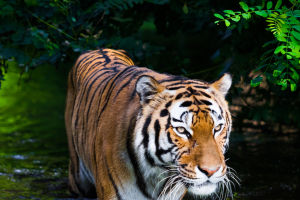
Welcome, Readers! Among all wild cats, the tiger stands out not only for its impressive size but also for its incredible stealth. Tigers can stretch over 3 meters (10 feet) from nose to tail and weigh as much as 320 kilograms (700 pounds).
Despite carrying so much muscle and power, they are capable of slipping through forests with barely a sound. This remarkable silence is not just a fascinating ability—it is essential for survival. As ambush hunters, tigers rely on getting as close as possible to their prey before making a short, explosive attack. Every step matters, and even the smallest noise could ruin the hunt.
1. Soft Paw Pads Act Like Natural Cushions
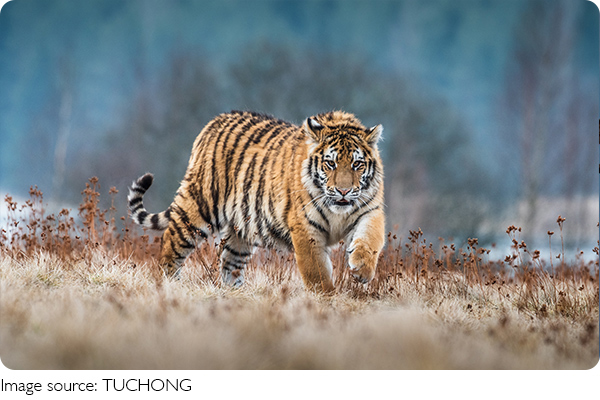
One of the biggest reasons tigers move so quietly is the unique design of their paws. Thick, soft pads cover the bottom of each foot, helping to absorb the impact of every step. Instead of snapping twigs or crunching dry leaves, these pads cushion the tiger's weight and reduce the sound it creates.
The pads are also flexible enough to adapt to uneven ground. Whether walking across loose soil, grass, or forest litter, they spread pressure evenly and help the tiger maintain a smooth, controlled stride. Combined with careful foot placement, these natural shock absorbers allow the animal to approach prey almost unnoticed.
2. Every Footstep Follows the Last
Tigers use a walking pattern known as direct register, which makes their movement both efficient and quiet. Rather than placing each foot randomly, the hind foot lands almost exactly where the front foot touched moments earlier. This technique offers several advantages. Since each rear foot follows an already-tested spot, the tiger avoids stepping on noisy sticks or unstable ground. It also leaves fewer footprints, making it harder for prey—or other animals—to detect its path.
By reusing the same safe stepping points, the tiger travels with remarkable precision while reducing unnecessary movement.
3. Walking on Toes Reduces Noise
Like domestic cats, tigers are digitigrade animals, meaning they walk on their toes instead of placing the entire foot flat on the ground. This posture reduces the amount of the foot that touches the surface, helping them move with greater balance and less sound. Walking on their toes also allows tigers to react instantly. If prey changes direction, they can quickly adjust without losing stability. The combination of balance, speed, and reduced contact with the ground makes this style of walking ideal for silent hunting.
4. A Smooth, Balanced Gait
Another factor behind a tiger's quiet approach is the way it coordinates its legs. Its body remains surprisingly stable while walking, with very little unnecessary swaying or bouncing. This controlled movement prevents sudden shifts in weight that could produce extra noise.
The tiger's flexible spine also contributes to its smooth gait. Each step flows naturally into the next, allowing the animal to cover ground efficiently without disturbing its surroundings. Even during long stalks that may last 20 minutes or more, the tiger conserves energy while staying almost invisible and silent.
5. Claws Stay Hidden Until the Final Moment
Unlike dogs, whose exposed claws often click against hard surfaces, tigers keep their claws safely tucked away while walking. Their claws are retractable, resting inside protective sheaths when not in use. Keeping the claws hidden serves several purposes. It prevents unnecessary wear, keeps them razor-sharp for catching prey, and eliminates the scraping sounds that exposed claws could create. Only at the instant of attack do the claws extend, giving the tiger maximum grip and striking power.
6. Staying Low Gives Better Control
As a tiger closes the distance to its target, it often lowers its body close to the ground. This crouched posture shifts its center of gravity downward, making every movement steadier and more controlled. With its body closer to the ground, the tiger places less force on each step, reducing vibrations and minimizing the chance of alerting nearby animals.
The lowered position also helps the hunter remain hidden among tall grasses, bushes, or dense forest vegetation. Patience is just as important as strength, and a tiger may remain in this careful stalking posture for several minutes before launching its final sprint.
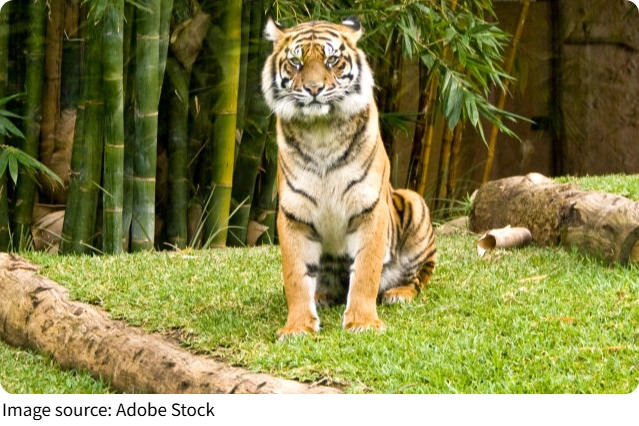
Every quiet step reflects millions of years of evolution, allowing tigers to move through forests with astonishing precision. Their ability to remain almost invisible until the final moment is one of the greatest reasons they have become such successful hunters in the wild, proving that patience and stealth can be just as powerful as strength.
Popular
Webbed Feet Wonders!
How do greylag geese move across lakes so smoothly? Their feet hold the key!
Warm Penguin Secrets!
How do penguins stay warm on icy lands? Their survival tricks are incredible!
How Do Sea Lions Swim?
How do sea lions swim so quickly? Their secret is more than strong flippers!
Squirrel Monkey Vision
Discover how genetics shape the unique color vision abilities of squirrel monkeys and influence how they experience the forest