Small Acts, Big Help
Small Acts, Big HelpPosted by Chandan Singh on 31-07-2026
On Trend
Hi, Readers! A single vote almost never decides an election on its own, yet hardly anyone argues that makes voting pointless, because the outcome is the sum of exactly that kind of small individual choice repeated by millions of people.
Helping endangered species works on the same logic, no single action saves a species alone, but the pattern of many small ones adds up to something that genuinely moves the needle.
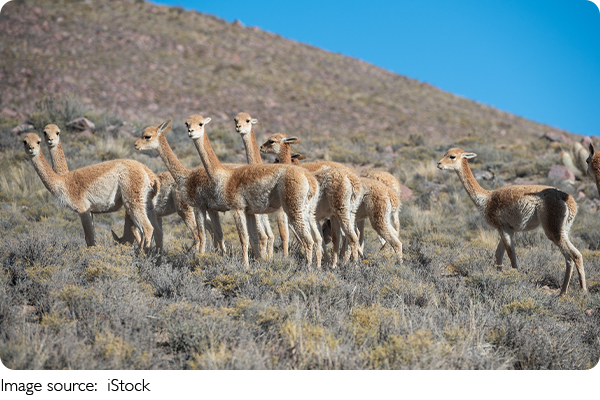
What everyday choices actually change
Refusing to buy products made from endangered species, such as ivory carvings or shark fin, chips away at the demand side of a trade that survives on exactly that kind of consumer interest.
Learning where a company sources its materials before buying from it applies the same pressure further up the supply chain, since companies do respond when enough customers start asking harder questions about origin and impact. Even small choices at home matter more than they seem, like skipping pesticides that disrupt local food webs in favor of natural approaches that support the same insects and birds a broader ecosystem depends on.
Where direct involvement makes a difference
Citizen science projects let ordinary people contribute real data, tracking sightings, monitoring populations, and logging behavior in ways that give researchers far more coverage than any research team could manage alone. Volunteering time at a local sanctuary, or simply visiting protected parks and wildlife refuges, funnels real financial support toward conservation work, since visitor numbers directly influence how much funding these places receive going forward.
Raising awareness counts too, sharing accurate information, signing petitions, and writing to representatives all put pressure in places an individual couldn't reach through their own actions alone.
None of these steps guarantees a specific species survives, and it can feel discouraging to act without seeing an immediate result. But conservation funding, policy shifts, and market demand all move because enough individual choices accumulated first, not because one dramatic gesture flipped a switch somewhere.
Where these choices have already added up
Public pressure has pushed several major retailers to stop selling products linked to endangered species entirely, a shift that started with customer complaints and social media attention long before any regulation forced the change. Citizen-collected data has directly informed real conservation decisions too, tracking apps used by hikers and birdwatchers have flagged population shifts researchers hadn't caught yet, sometimes prompting protective measures for a species faster than a formal survey ever could have managed on its own.
Community fundraising has funded specific, traceable outcomes as well, from land purchases that permanently protect a stretch of habitat to veterinary equipment for a rescue center that had been turning animals away for lack of capacity. None of these wins made national headlines on their own, but together they represent exactly the kind of accumulated pressure that tends to move faster than most people expect once enough of it builds up.
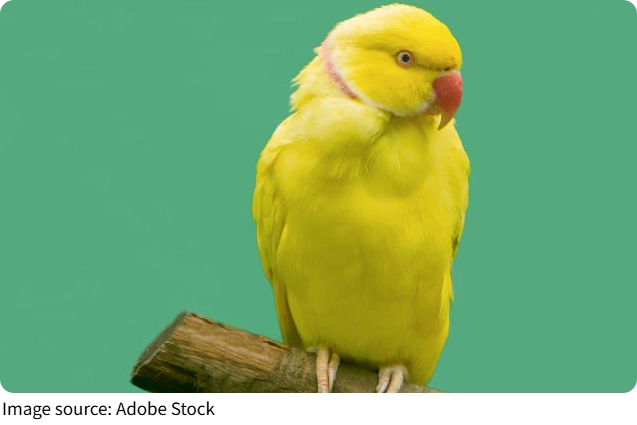
So the next small decision, skipping one product, signing one petition, sharing one accurate article, might feel too minor to matter. Honestly, that's exactly how every larger shift in this space actually got started.
Popular
Lion's Sleep Secret?
Up to 20 hours asleep each day! Is it laziness or pure survival instinct?
Seals Beat Breath?
One breath, one hour underwater! How do seals make it look so easy in the deep sea?
Cats Love Windows
Why Do Cats Love Looking Out the Window? Discover the Surprising Everyday Reasons Behind This Quiet and Curious Habit!
When Wetlands Vanish
Pulling one shelf out of a crowded pantry sends everything stacked on top of it crashing down together