Flock Split Signs
Flock Split SignsPosted by Ravish Kumar on 03-08-2026
Wild Animals
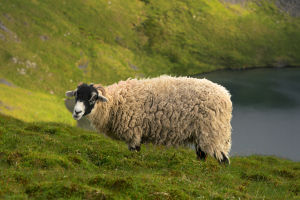
Hi, Readers! Have you ever noticed a single sheep standing far away from the rest of the flock? While it may look like the sheep simply wants some space, that behavior is often unusual.
Sheep are highly social animals that naturally stay close together for safety, comfort, and easier access to food and water. When one sheep isolates itself, it can be an important sign that something is wrong. Let's explore why this happens and what it can mean.
When a sheep repeatedly separates itself, experienced shepherds recognize it as one of the earliest warning signs that something may be wrong. Sometimes the cause is a developing illness. Other times it may signal injury, nutritional problems, environmental stress, or natural reproductive behavior. Learning to interpret this behavior allows farmers to detect problems before they become serious, protecting both the individual animal and the entire flock.
Why Sheep Naturally Stay Together
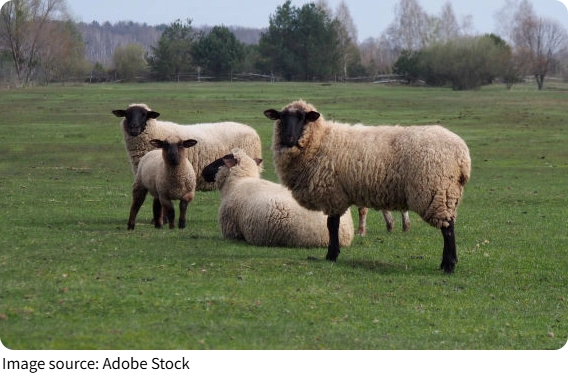
Sheep evolved as prey animals living in open landscapes where predators could attack from almost any direction. Survival depended on remaining within a tightly coordinated group. A flock provides many advantages: more eyes to detect danger, reduced individual stress, and easier movement toward grazing areas and water sources.
Scientists have found that sheep develop strong social bonds and can recognize dozens of familiar individuals by their faces and voices. This social structure helps maintain order during grazing, resting, and migration. Because of these instincts, voluntary isolation usually indicates that a sheep is experiencing physical discomfort or unusual circumstances.
Illness Is One of the First Causes
Disease is among the most common explanations for flock separation. When sheep become sick, their bodies redirect energy toward fighting infection instead of normal activities such as grazing and social interaction. As a result, affected animals often move less, eat less, and remain behind while the flock continues moving.
Respiratory infections, digestive disorders, internal parasites, foot rot, and bacterial diseases frequently cause isolation before more obvious symptoms appear. Farmers who notice a sheep standing quietly with its head lowered, away from companions, should perform a health assessment immediately. Early treatment often leads to much better recovery outcomes than waiting until severe symptoms develop.
Pain and Injury Reduce Mobility
Even minor injuries can cause a sheep to distance itself from the group. Walking long distances becomes difficult when an animal suffers from hoof damage, swollen joints, muscle strain, or wounds caused by rough terrain or fencing. Lameness is particularly important because sheep depend heavily on constant movement while grazing.
An injured individual may stop frequently, lag behind, or choose to rest while the flock continues feeding. Hoof diseases such as foot rot can spread within a flock, making prompt examination and treatment essential. Checking the legs, hooves, and body for swelling, cuts, or abnormal posture should always be one of the first steps after noticing an isolated sheep.
Weak Nutrition and Heavy Parasite Burdens
Not every isolated sheep is visibly sick. Animals suffering from poor nutrition or parasite infestations may gradually lose body condition over weeks before obvious illness appears.
Internal parasites, especially gastrointestinal worms, reduce nutrient absorption and may cause anemia, weakness, diarrhea, and reduced stamina. Thin sheep often struggle to compete for food against stronger flock members, leading them to spend more time alone.
Likewise, diets lacking sufficient protein, energy, or essential minerals weaken the immune system and reduce overall activity. Maintaining balanced nutrition and following regular parasite-control programs remain among the most effective ways to prevent this type of isolation.
Natural Separation During Lambing
Not every case of isolation indicates a medical emergency. Pregnant ewes commonly seek quiet, sheltered locations shortly before giving birth. This temporary separation helps reduce disturbance during labor and creates a calmer environment for the newborn lamb.
Following delivery, the ewe often remains apart from the flock while strengthening the bond with her lamb. During this period, she learns her offspring's scent and vocalizations, allowing her to recognize it even within a large group. Although this behavior is normal, farmers should still monitor lambing ewes closely to ensure both mother and lamb remain healthy and free from complications.
Environmental and Social Pressures
Weather conditions can also influence flock behavior. During periods of intense heat, sheep may leave crowded areas to search for shade or cooler ground. In cold, wet, or windy conditions, weakened individuals sometimes conserve energy by moving less than healthy flock members.
Social hierarchy plays an additional role. Dominant sheep occasionally prevent timid or younger animals from reaching feeding areas. In overcrowded pens, weaker individuals may avoid conflict by staying away from the main group, eventually losing weight due to reduced feed intake. Providing adequate feeding space, proper shelter, and sufficient pasture helps reduce these social pressures and encourages normal flock behavior.
Warning Signs That Require Immediate Attention
Separation rarely occurs alone. Farmers should carefully observe the isolated sheep for additional signs that may reveal the underlying problem. Reduced appetite, weight loss, limping, labored breathing, diarrhea, fever, pale eyelids, rough fleece, decreased rumination, or unusual lethargy all indicate that further examination is necessary.
Because sheep instinctively hide illness until they become seriously affected, even subtle behavioral changes deserve careful attention. Routine observation remains one of the most valuable management tools available to livestock producers.
Managing and Preventing Isolation
When a sheep separates from the flock, the first priority is identifying the underlying cause rather than simply returning it to the group. Examine the animal carefully, provide clean water and nutritious feed, and isolate it only if contagious disease is suspected.
Regular veterinary health checks, strategic deworming, balanced nutrition, hoof care, vaccination programs, and low-stress handling all reduce the likelihood of abnormal flock separation. Maintaining accurate health records also allows recurring problems to be identified before they affect larger numbers of animals.
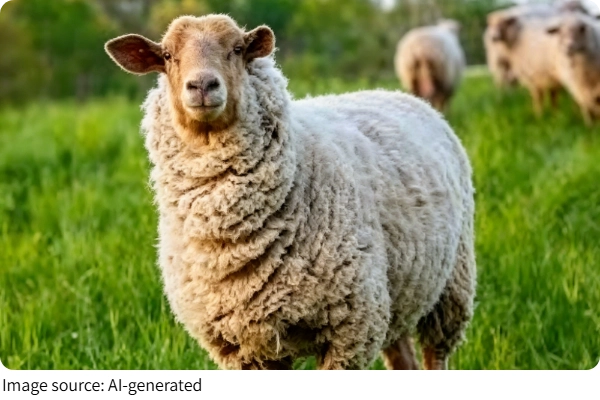
A sheep standing alone is rarely acting without reason. Whether the cause is illness, injury, nutritional deficiency, environmental stress, or the natural process of lambing, isolation is one of the clearest behavioral signals that deserves attention. Farmers who learn to recognize this subtle warning can often detect problems long before severe disease or production losses occur.
Popular
Webbed Feet Wonders!
How do greylag geese move across lakes so smoothly? Their feet hold the key!
Warm Penguin Secrets!
How do penguins stay warm on icy lands? Their survival tricks are incredible!
How Do Sea Lions Swim?
How do sea lions swim so quickly? Their secret is more than strong flippers!
Squirrel Monkey Vision
Discover how genetics shape the unique color vision abilities of squirrel monkeys and influence how they experience the forest