Why Some Live So Long
Why Some Live So LongPosted by Owen Murphy on 27-07-2026
On Trend
Hi, Readers! Some animals seem to move through time in a completely different way from the rest of the living world.
While many creatures live only a short while, a few can survive for decades, centuries, or even longer. That idea feels almost unreal at first, but it becomes even more fascinating when you look at how and where these animals live.
Long life in animals is not random. It is often tied to slow growth, delayed reproduction, low exposure to danger, and bodies that age at a very gradual pace.
Some of the longest-living animals are found in places where life moves slowly. Cold water is one important example. In chilly environments, metabolism tends to be slower, and that can reduce wear on the body over time. Creatures living deep in the ocean may also face fewer predators and less environmental change than animals in more active habitats. When daily survival does not require constant escape or intense competition, the body may be able to last much longer.
Life in cold, quiet places
One famous example is the Greenland shark, a species known for extraordinary longevity. It grows very slowly and lives in cold northern waters. Scientists have estimated that some individuals may live for centuries. That slow pace of life appears to be part of the reason. A body that develops gradually and uses energy carefully may simply age more slowly. The ocean quahog, a type of clam, is another striking case. Some have been found to live for more than four centuries. In such animals, calm environments and low metabolic rates likely play a major role.
Protection matters too
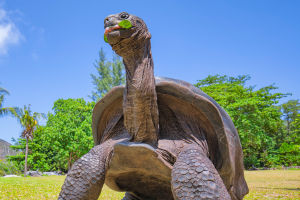
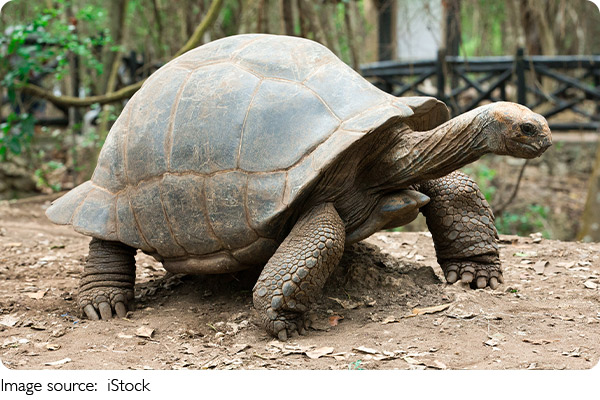
Another reason some animals live so long is that they are naturally well protected. The giant tortoise is a classic example. Its strong shell helps defend it from many threats, which increases its chances of surviving year after year. A safer life often means a longer one. If an animal is less likely to be eaten or injured, it has more opportunity to age slowly. In the same way, species that live in stable habitats may avoid many of the pressures that shorten life in the wild.
Slow living and late maturity
Animals with long life spans often do everything at a slower rhythm. They grow slowly, mature late, and reproduce later than short-lived species. This pattern can be seen across very different groups of animals. Rather than putting all their energy into fast growth or early reproduction, they spread that energy across a much longer life. That strategy works especially well in environments where survival is relatively steady and predictable.
Built for endurance
There is also the question of biology. Some animals appear to have body systems that resist age-related damage more effectively than others. Scientists continue studying how certain species repair cells, handle stress, and maintain healthy tissues over time. While not every answer is clear yet, it is evident that exceptional longevity comes from a mix of environment, lifestyle, and biology. No single explanation fits every species, but the patterns are surprisingly consistent.
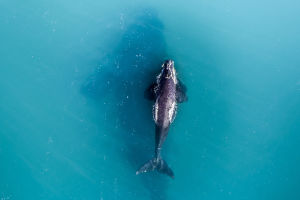
The bowhead whale is another animal often mentioned in discussions of long life. It can live for more than two centuries, making it one of the longest-living mammals. Like other long-lived marine animals, it benefits from a cold habitat and a relatively slow pace of life. These examples remind us that long life is often linked to living carefully rather than quickly.
In the end, animals that live an exceptionally long time usually share a few quiet advantages: slow metabolism, protected bodies, stable surroundings, and life strategies built around patience. Looking at them can gently shift the way we think about survival. Sometimes lasting longer is not about speed or strength, but about steady rhythms, low risk, and an environment that allows life to unfold little by little.
Popular
Why Some Live So Long
A look at the creatures with remarkably long lives and what helps them endure for so many years
Why Animals Glow
A gentle look at how living light works in nature and why so many sea creatures shine
Think Before Feeding
Why giving food to stray animals on a whim can create bigger problems than it solves
Help a Hurt Stray
Simple steps to protect an injured stray animal and get the right help without making things worse