Wonders of the Egret
Wonders of the EgretPosted by Arjun Mehta on 20-07-2026

Wild Animals
Lykkers, have we ever stopped beside a peaceful lake, river, or wetland and noticed a beautiful white bird moving slowly through the water?
With every gentle step, the great egret looks like a dancer surrounded by nature’s beauty.
Today, we are going to explore the wonderful world of great egrets and discover the secrets behind their bright feathers, special feeding habits, and amazing survival skills.
Great egrets are known for their graceful appearance and calm behavior. They spend much of their time near water, where they search for food, rest, and care for their young. Although they may seem quiet and simple at first glance, their daily lives are full of interesting details that show how well they have adapted to nature.
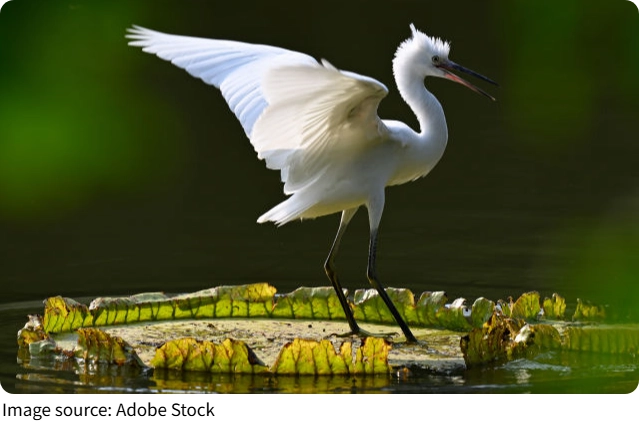
The Beauty Of White Feathers
When we see a great egret, its pure white feathers are usually the first feature that attracts our attention. These feathers create an elegant image, making the bird look light and peaceful as it walks through shallow water or flies across open areas.
The feathers of great egrets are carefully designed by nature. Their smooth structure helps the birds move easily through wet environments. When they walk in water, their feathers help them stay comfortable and protect their bodies from changing temperatures.
The bright feather color also has an important role during the breeding period. Great egrets use their beautiful appearance to communicate with each other. A healthy feather coat can show good condition, helping them build connections and prepare for raising the next generation.
Watching a great egret spread its wings is a wonderful experience. The contrast between its white feathers and the natural colors around it creates a peaceful scene that many nature lovers enjoy.
Skilled Hunters In Water
Beyond their beauty, great egrets are also clever hunters. Their main food sources include small fish, shrimp, and other tiny creatures that live in wet areas. Their long and pointed beaks work as precise tools, allowing them to catch food with accuracy.
When we watch a great egret searching for a meal, we can notice its patience. Instead of moving quickly all the time, it often stands quietly and observes the water. This waiting ability helps it notice small movements below the surface.
Once the right moment arrives, the great egret quickly extends its beak and catches its target. This action may happen in only a short moment, but it shows excellent timing and control.
Some great egrets also move slowly along the water’s edge or fly close above the surface while looking for food. Their movements appear gentle, yet every step is carefully planned.
Interesting Feeding Habits
Great egrets have feeding routines that follow the rhythm of nature. They often search for food in the early morning or near sunset because many small water creatures become more active during these periods.
This timing helps great egrets improve their chances of finding enough food. Instead of using energy without purpose, they choose moments when their surroundings offer better opportunities.
When a great egret catches food, it handles the process carefully. It adjusts the position of the meal with its beak before eating. This calm method reflects the bird’s natural behavior and careful approach to daily life.
Their feeding habits are not only about finding food. They also show how animals learn to work with their environment. By understanding the changes around them, great egrets can continue living successfully in different wetland areas.
A Peaceful Life Near Water
For great egrets, wetlands are more than places with water. They are important homes that provide food, resting areas, and safe spaces for raising young birds.
We can often find great egrets standing among plants, walking along riverbanks, or resting on branches near water. Their quiet lifestyle helps them stay connected with the natural world around them. Wetland environments support many different forms of life.
When these areas remain healthy, great egrets and other creatures can continue their normal activities. Protecting natural spaces allows these graceful birds to keep showing their beauty for years to come.
Learning From The Great Egret
As we explore the life of great egrets, we discover that their charm comes from more than their appearance. Their patience, hunting skills, and close connection with nature make them truly special.
These birds remind us to slow down and notice the small wonders around us. A quiet moment beside the water can reveal fascinating scenes that we might usually miss.
The great egret’s life teaches us about balance. It shows how creatures can use their natural abilities to adapt, survive, and create harmony with their surroundings.
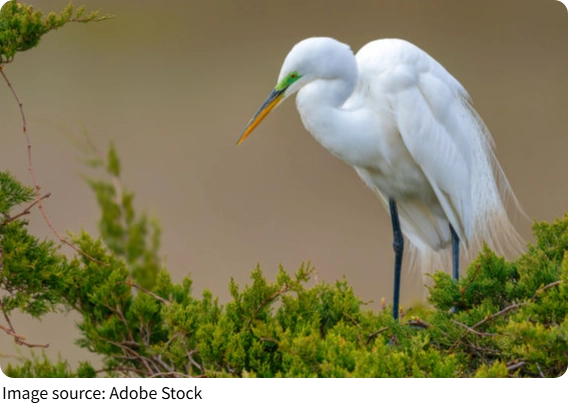
Our Connection With Nature
Lykkers, after learning about these graceful water dancers, which part of the great egret’s life attracts you the most? Is it the beauty of their snowy feathers, their careful hunting techniques, or their peaceful lifestyle near water?
Every creature in nature has a unique story waiting to be discovered. By observing and respecting great egrets, we can better understand the amazing world around us. Let’s continue exploring nature together and appreciate these elegant birds that bring beauty and calm to our environment.
Great Egret (Ardea alba)
Video by Birds In Motion
Popular
Why Dogs Run Around
Why Does Our Dog Suddenly Run Around? Discover the Reasons Behind This Exciting and Funny Behavior at Home!
Macaw Life Wonders
Why Do Macaws Live So Long? Discover How Their Unique Bodies and Smart Behaviors Help Them Reach Amazing Ages!
Wonders of the Egret
Discover The Great Egret: How Its Snowy Feathers And Clever Hunting Skills Create A Beautiful Life Near Water
Lion Life Journey
From Tiny Cubs to Grassland Leaders: The Incredible Growth Journey Every Lion Experiences in the Wild!