Lion Life Journey
Lion Life JourneyPosted by Kwame Johnson on 20-07-2026
Wild Animals
Welcome to a closer look at the amazing life journey of lions. From their first days as small cubs to becoming strong and experienced members of their group, lions go through many important stages of growth.
Every period of their life brings new experiences, skills, and changes that help them survive in the natural world.
When we watch lions in the wild, we often notice their powerful appearance and confident movements. However, behind that strength is a long journey filled with learning and adaptation. Each lion develops hunting skills, builds connections with others, and gradually understands how to live within its environment. Let’s explore these different stages and discover how lions grow step by step.
The Early Days: A Small and Curious Cub
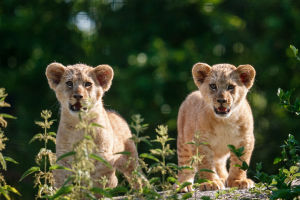
A lion cub is born with a small body and soft light-colored fur. At birth, it usually weighs around 1.5 kilograms. Its eyes remain closed at first, and it depends completely on its mother for care and protection. During the first days of life, the cub stays close to the mother, receiving warmth and nutrition.
After about 7 to 14 days, the cub begins to open its eyes and slowly starts to observe the world around it. Everything is new, from the sounds of the grassland to the movements of other animals nearby. The mother lion carefully guides the cub and allows it to explore safe areas little by little.
During this stage, the cub grows quickly. Around four to six months old, it begins trying solid food while still receiving important nutrition from its mother. This period helps the young lion build strength and prepare for future independence.
Learning Through Play and Family
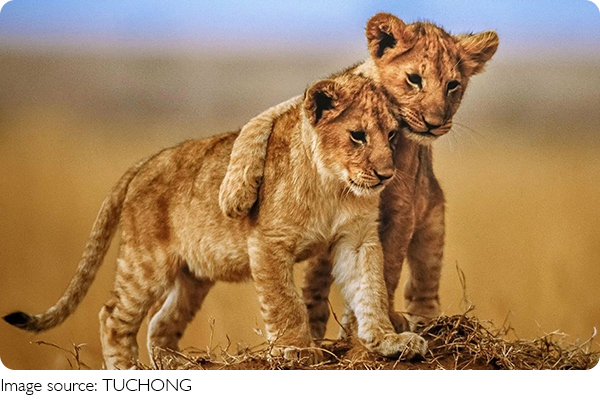
For young lions, play is more than simple fun. It is an important way to learn survival skills. Cubs often chase each other, jump, and practice movements that will later help them during hunting.
By watching older lions, cubs slowly understand how to move quietly, work with others, and recognize social signals. They learn how to communicate through sounds, body movements, and behavior.
Living with other young lions also helps them develop teamwork. These early experiences create strong connections and prepare them for life within a larger group. The lessons learned during childhood become valuable skills when they grow older.
The Growing Stage: Exploring Independence
When lions reach around two to five years old, they enter a period of major change. Young lions begin spending more time away from their original group and start exploring wider areas.
During this stage, they practice hunting techniques and improve their ability to find food. They learn how to follow animal movements, choose suitable moments to act, and cooperate with other lions when working together.
Young lions also begin understanding their place within their social world. They experience different situations that help them build confidence and develop their own abilities. This stage is important because it prepares them for the responsibilities of adulthood.
Becoming a Mature Lion
After about five years old, lions enter maturity. At this point, they have stronger bodies, better skills, and more experience. Male lions may defend the pride and its territory from rival males, while female lions are primarily responsible for cooperative hunting and raising cubs.
Female lions often play a central role in raising young cubs and maintaining close relationships within the group. Their cooperation is an important part of lion society, allowing the group to survive and grow.
Mature lions also begin raising the next generation. Female lions usually give birth every few years, and the arrival of new cubs continues the natural cycle of life. Older lions help maintain knowledge and experience within the group, passing important behaviors to younger members.
The Later Years: Wisdom and Change
As lions grow older, their physical abilities gradually change. They may become less active and may lose their position to younger, stronger lions. However, older lions still have valuable experience gained from many years of survival.
Some older lions continue helping younger members, while others move away to search for a new place to live. Their lives show that every stage has its own value, from energetic youth to experienced age.
The later years of a lion’s life remind us that growth is not only about strength. It is also about experience, adaptation, and the lessons collected throughout life.
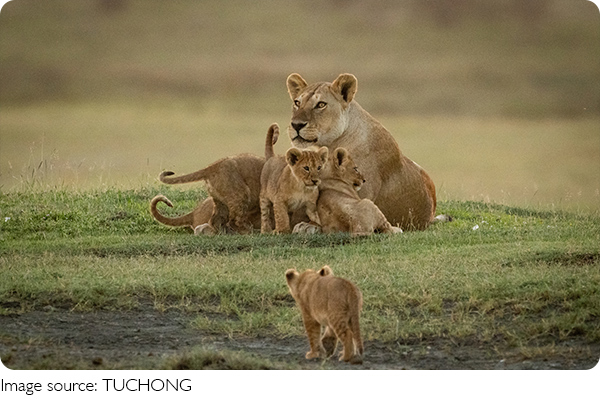
Lykkers, the growth journey of a lion is a wonderful story of change and discovery. From a small cub that depends on its mother to a mature lion with confidence and experience, every step reveals the amazing balance of nature. When we learn about lions, we do more than understand one animal. We also see the importance of family, learning, cooperation, and adaptation in the natural world.
Popular
Why Dogs Run Around
Why Does Our Dog Suddenly Run Around? Discover the Reasons Behind This Exciting and Funny Behavior at Home!
Macaw Life Wonders
Why Do Macaws Live So Long? Discover How Their Unique Bodies and Smart Behaviors Help Them Reach Amazing Ages!
Wonders of the Egret
Discover The Great Egret: How Its Snowy Feathers And Clever Hunting Skills Create A Beautiful Life Near Water
Lion Life Journey
From Tiny Cubs to Grassland Leaders: The Incredible Growth Journey Every Lion Experiences in the Wild!