Why Animals Glow
Why Animals GlowPosted by Chandan Singh on 27-07-2026
On Trend
Hi, Readers! In the deep sea, where sunlight cannot reach, some animals create their own light, and it feels almost magical when you first learn how common that is.
This living light is called bioluminescence. It happens when a chemical reaction inside a living thing produces light.
Many marine creatures use it, especially in the ocean’s darker zones, and it plays a very real part in everyday survival.
Bioluminescence comes from a simple but remarkable process. Inside the glowing creature, a light-emitting compound called luciferin reacts with oxygen. An enzyme called luciferase helps the reaction happen. When these parts come together, light is produced. In some cases, the light can also involve other substances, but the basic idea stays the same: the creature makes light through chemistry inside its body. Most bioluminescent light looks blue-green because that color travels best through seawater.
Where glowing animals live
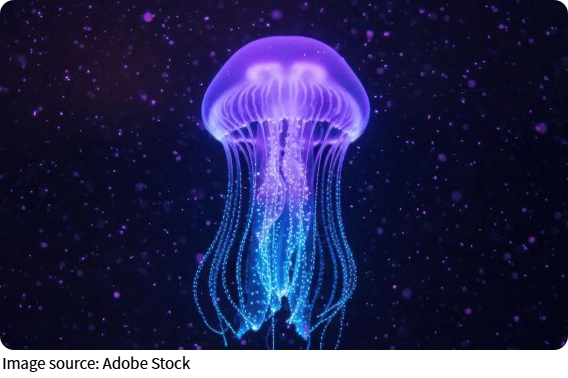
Bioluminescence is especially common in the ocean. Scientists estimate that a very large share of creatures living in midwater ocean environments can produce light. You can find this ability in fish, jellyfish, squid, shrimp, and many tiny drifting organisms. On land, glowing life is much less common, though some insects and fungi are known for it. In the sea, though, this trait is everywhere, especially where darkness shapes how creatures hunt, hide, and communicate.
Why animals glow
Animals do not glow just for beauty. They use light for important reasons. Some use it to attract prey, drawing smaller creatures close enough to catch. Others use it for defense. A sudden flash can confuse a predator or distract it long enough for the glowing animal to escape. Some species release glowing material into the water, creating a bright cloud that shifts attention away from them. There are also animals that use light to communicate with others of their own kind, especially when trying to find a mate.
How light helps them hide
One of the most fascinating uses of bioluminescence is camouflage. It may sound surprising, but light can help an animal become harder to see. In the ocean, faint light from above can create a silhouette of an animal swimming below it. Some species make light on the underside of their bodies to match the light coming down from the surface. This helps erase their outline when seen from below. The trick is called counterillumination, and it is a clever way to stay safer in open water.
Animals that glow with helpers
Not every glowing creature makes all its light alone. Some animals rely on tiny living partners, usually bacteria, that produce the glow for them. These bacteria live inside special light organs in the host animal’s body. The partnership benefits both sides. The bacteria get a place to live, and the animal gets a reliable source of light it can use for signaling, camouflage, or attracting food. It is a lovely reminder that nature often works through connection as much as competition.
Why this matters to us
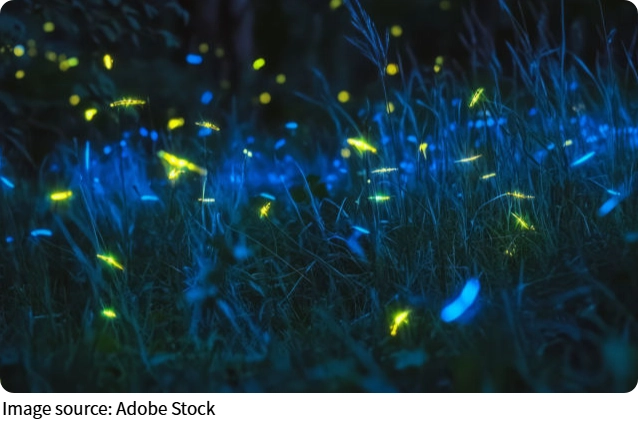
Bioluminescence is not only beautiful. It has also helped scientists learn more about chemistry, biology, and the living world in extreme environments. By studying how animals make light, researchers have gained useful tools for science and medicine. At the same time, glowing creatures remind us how little of the ocean we truly know. So much life below the surface still feels full of wonder, and bioluminescence is one of the clearest signs of that.
In the end, animals glow because light helps them live, whether that means finding food, staying hidden, warning off danger, or connecting with others. It is practical, elegant, and deeply fascinating all at once. If this topic sparks your curiosity, keep exploring the ocean’s hidden life, because the more you learn, the more amazing the natural world becomes.
Popular
Why Some Live So Long
A look at the creatures with remarkably long lives and what helps them endure for so many years
Why Animals Glow
A gentle look at how living light works in nature and why so many sea creatures shine
Think Before Feeding
Why giving food to stray animals on a whim can create bigger problems than it solves
Help a Hurt Stray
Simple steps to protect an injured stray animal and get the right help without making things worse