Amphibian Life Cycle
Amphibian Life CyclePosted by Declan Kennedy on 28-07-2026
On Trend
Hi, Readers! Some animals live in a truly remarkable in-between world.
They spend part of their lives in water and part on land, moving back and forth between two very different places that each come with their own challenges.
To make that possible, they rely on a mix of body features and life-cycle changes that help them breathe, move, stay moist, and reproduce.
Amphibians are the clearest example of this kind of life, and their story shows just how flexible living things can be.
Starting Life in Water
Amphibians usually begin life in water. Their eggs do not have a hard shell, so they need moisture to develop safely. Many species lay eggs in ponds, marshes, or slow-moving water, where the young can grow in a protected environment.
After hatching, the early stage often looks very different from the grown form. Young amphibians, such as tadpoles, usually have gills that let them breathe underwater, along with tails that help them swim. At this stage, their bodies are built for an aquatic life.
Changing for Land
As they grow, many amphibians go through metamorphosis, which is a major body transformation. During this process, gills are replaced by lungs, legs develop, and the body changes in ways that make movement on land possible.
This shift is one of the most important reasons they can live in both settings. They are not simply animals that visit land now and then. Their whole development prepares them to use two environments in different ways as they mature.
Breathing in More Than One Way
One of the most fascinating parts of amphibian survival is how they breathe. Many species use lungs on land, but that is not the full story. Their skin also plays a major role. Amphibian skin is thin and able to absorb oxygen, which helps with breathing, especially when they are in water or resting in moist places.
Because of this, keeping their skin damp is essential. If their skin dries out, survival becomes much harder. That is why they are often found in humid habitats or near freshwater.
Built for Two Kinds of Movement
Living in water and on land means moving efficiently in both places. Amphibians show a range of body designs that support this. Webbed feet can help with swimming, while strong hind legs can help with hopping or crawling on land.
Their bodies are often shaped in ways that reduce strain in water while still allowing them to navigate muddy banks, wet leaves, rocks, and forest floors. They may not move exactly the same way in both environments, but their bodies let them switch as needed.
Reproduction Tied to Moisture
Even when mature amphibians spend plenty of time on land, water still matters deeply to reproduction. Because their eggs need moisture and usually lack the protection that fully land-based animals have, many return to water to breed.
This connection keeps them tied to ponds, streams, wetlands, and other damp places. In many species, the water is not just helpful. It is necessary for the next generation to survive through its earliest stage.
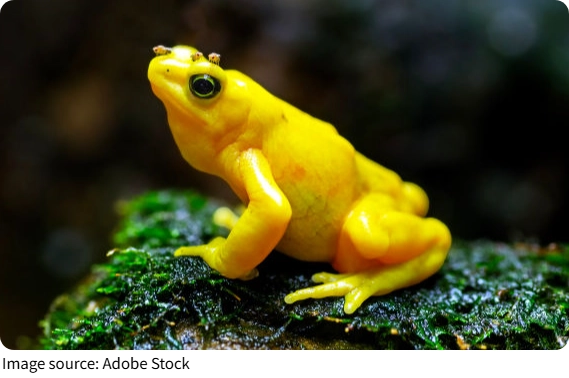
Why Their Environment Matters So Much
Animals that live between water and land depend on both environments staying healthy. Clean freshwater, shaded wet ground, and stable humidity all support their breathing, breeding, and daily activity.
Since their skin is so permeable and their eggs are delicate, they are especially sensitive to environmental change. That sensitivity makes them important indicators of ecosystem health. When amphibian populations struggle, it can be a sign that something in the surrounding environment is going wrong.
Hi, Readers! Animals that survive in both water and on land do so through a beautiful combination of life-stage changes, specialized skin, flexible breathing, and movement adapted to two worlds. Amphibians remind us that survival is not always about choosing one place over another. Sometimes it is about learning how to belong to both. Next time you see a frog near a pond or hear one calling after rain, it is worth pausing for a moment and thinking about just how extraordinary that balance really is.
Popular
Birds in Agriculture
How birds can help keep your crops thriving naturally
Birds That Speak Like Us
Discover how some birds mimic human speech and what it takes
Why Some Live So Long
A look at the creatures with remarkably long lives and what helps them endure for so many years
Why Animals Glow
A gentle look at how living light works in nature and why so many sea creatures shine