Wild Wonders
Wild WondersPosted by Amina Hassan on 28-07-2026
On Trend
Hi, Readers! The natural world is full of little moments that can stop you in your tracks, and some animal behaviors feel so surprising that they almost seem unreal.
From clever problem-solving to strange survival tricks, these actions remind us that life around us is far more complex, creative, and connected than we often notice. When we slow down and really look, it becomes clear that many creatures are doing remarkable things every single day.
One of the most fascinating examples is tool use. Some animals do not just react to their surroundings, they actively shape them. Certain birds use twigs to reach food hidden in tight spaces, showing patience and planning that feel deeply impressive. Sea otters are also known for using rocks to open shellfish, keeping a favorite stone and returning to it again and again. These small acts reveal memory, learning, and a very practical kind of intelligence that helps animals solve problems in ways that feel familiar to us.
Masters of teamwork
In many species, survival depends on working together. Ants build organized colonies where each member has a role, creating efficient systems for gathering food, caring for young, and protecting the group. Dolphins also show strong cooperation, especially when hunting, where they coordinate movement with striking precision. Wolves, too, are often observed relying on group structure and communication to improve their chances of success. These behaviors are not random. They reflect social bonds, trust, and a shared rhythm that helps the whole group thrive.
Nature's strange builders
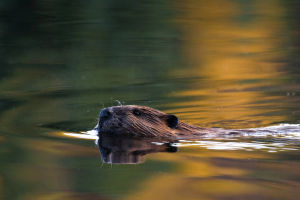
Some of the most unforgettable animal behaviors appear in the structures animals create. Beavers transform landscapes by building dams that change water flow and create safer spaces. Weaver birds make intricate hanging nests that are both practical and beautiful, carefully crafted from grass and plant fibers. Termites construct towering mounds with internal systems that help regulate temperature and airflow. These builders do far more than make shelter. They reshape their environment in ways that support life and show extraordinary instinctive skill.
Survival through surprise
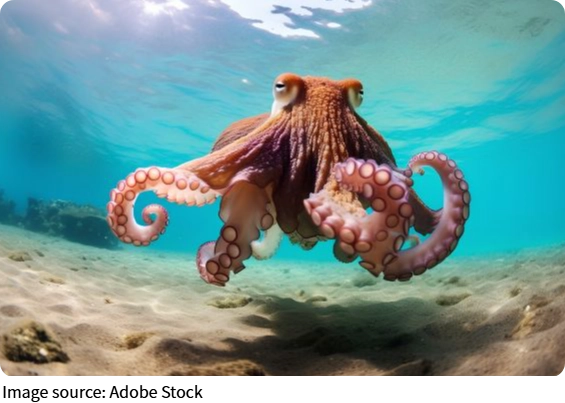
Animals also rely on startling strategies to stay safe. Octopuses can change both color and texture to blend into their surroundings, disappearing almost instantly from view. Some insects imitate leaves or sticks so convincingly that they become nearly impossible to spot. Other creatures use distraction, sound, or dramatic displays to confuse a threat and gain a few precious seconds to escape. These responses may look theatrical to us, but they are finely tuned answers to the constant challenge of staying alive.
Communication beyond sound
Not all animal communication is easy for us to notice. Bees perform a movement pattern that shares the location of food with others in the hive, turning motion into a meaningful message. Elephants communicate across long distances using very low-frequency sound, helping them stay connected even when far apart. Many animals also depend on scent, body posture, touch, or changes in color to signal danger, readiness, or belonging. The more we learn, the more it becomes clear that communication in nature is rich, layered, and wonderfully varied.
Care, learning, and memory
Another astonishing part of animal behavior is the way knowledge can be passed on. Young animals often learn by watching and copying. In some species, parents guide, protect, and teach for long periods, giving the next generation a better chance to adapt. There is also growing evidence that memory plays a powerful role in daily life, from migration routes to recognizing individuals and remembering useful places to find food. These abilities show that behavior is not only about instinct. Experience matters too.
When we look at these incredible behaviors together, one thing stands out clearly: animals are not simply moving through the world on autopilot. They are responding, learning, building, communicating, and adapting in ways that are both practical and deeply fascinating. So next time you notice a bird, an insect, or any wild creature nearby, take a moment and watch a little longer. You may find yourself seeing something truly unforgettable in the quiet brilliance of everyday nature.
Popular
Birds in Agriculture
How birds can help keep your crops thriving naturally
Birds That Speak Like Us
Discover how some birds mimic human speech and what it takes
Why Some Live So Long
A look at the creatures with remarkably long lives and what helps them endure for so many years
Why Animals Glow
A gentle look at how living light works in nature and why so many sea creatures shine