Beginner Ski Skills
Beginner Ski SkillsPosted by Elena Rossi on 05-06-2026
Useful Tips
Hello Lykkers! When we first step onto a snowy mountain, everything feels new, bright, and a little exciting in a nervous way. Skiing is a winter activity that combines movement, balance, and awareness of the environment.
For beginners, the early experience can feel challenging, but it becomes much more enjoyable once we understand a few core skills. In this guide, we will walk through five essential techniques that help us improve step by step. These ideas come from real practice and simple learning, making them easy to follow and apply on the snow.
Finding Balance and a Stable Stance
The first thing we focus on is posture. A stable stance helps us feel more confident on gentle slopes. We keep our legs slightly bent and lean the body a little forward. The weight is centered toward the front part of the feet.
This position helps us adjust quickly when the surface changes. At the beginning, we can practice standing still on flat snow. By doing this, we slowly build a natural sense of balance. Once we feel steady, moving forward becomes much smoother and more controlled.
Learning Smooth Turning Movements
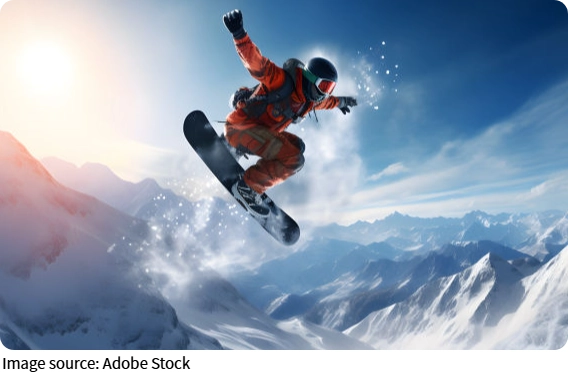
Turning is one of the most important skills when moving downhill. We start with gentle direction changes by guiding the front of our feet toward where we want to go. The body naturally follows the motion. Instead of forcing movement, we let the body lean slightly in the turning direction. This makes the motion smooth and comfortable. Practicing on mild slopes helps us gain confidence before trying more varied paths.
Over time, these small movements become more natural, allowing us to glide with better flow and control.
Managing Speed with Control
Controlling speed is essential, especially when slopes become steeper. One helpful method is to create gentle resistance by adjusting the angle of our skis against the snow surface. This slows movement in a steady way. Another helpful approach is using rhythmic arm movement for balance, which supports body stability while going downhill. The key is to avoid sudden changes and instead focus on gradual adjustments.
By practicing speed control step by step, we reduce stress and enjoy a safer and more comfortable ride.
Adapting to Different Slope Conditions
Not all slopes feel the same. Some are soft and gentle, while others are more challenging. On steeper areas, we keep our body slightly forward to maintain control. On smoother paths, we can relax the movement and allow more fluid motion. We also learn to adjust our rhythm depending on the surface texture. Small changes in posture and timing help us move more naturally across different areas.
This adaptability helps us feel more confident as we explore new terrain.
Building Awareness and Safe Practice Habits
Awareness is an important part of the experience. We always pay attention to the surroundings and other people sharing the slope. Understanding basic slope guidelines helps us move in a more organized way. We also practice simple recovery actions, such as how to stand up after a slide or how to slow down safely when needed. These small skills help us stay calm in unexpected moments.
With consistent practice, we build both confidence and responsibility, making each session more enjoyable.
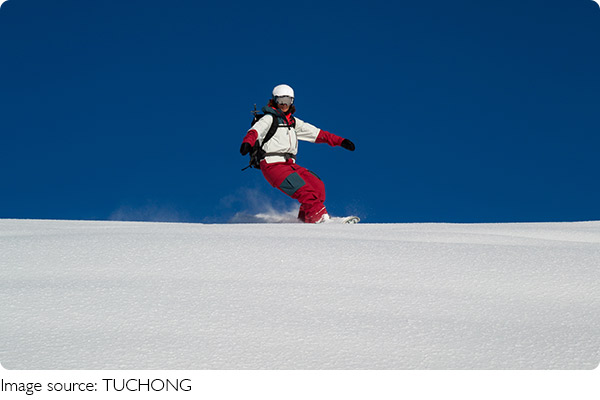
Lykkers, skiing is not about rushing. It is about building skills gradually and enjoying every moment of progress. When we combine balance, turning, speed control, slope adaptation, and awareness, the entire experience becomes smoother and more rewarding. Each time we return to the snow, we discover something new about our movement and confidence. Let’s keep practicing, stay curious, and enjoy the journey together on the snowy slopes.
Popular
Surfing Gear Essentials
Choose the right gear for warm and cold water to improve comfort and safety.
Beginner Ski Skills
Can We Master Skiing Faster Than We Think? Beginner Skills That Transform Our Snow Experience!
Snowboarding Goes Global
How snowboarding evolved from a counterculture sport into a worldwide movement driven by innovation, competition, and community
HIIT Benefits Explained
Discover how high-intensity interval training supports fitness, cardiovascular health, metabolism, and overall wellness in less time.