Surfing Tips for Beginners
Surfing Tips for BeginnersPosted by Camille Dubois on 01-06-2026

On Trend
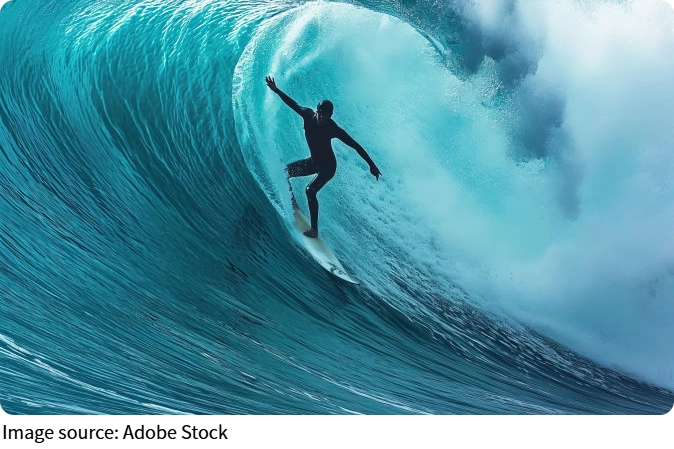
There is truly nothing quite like standing on a board as a wave carries you toward the shore for the very first time.
That rush of excitement, that mix of nervous energy and pure joy, stays with you. If you have been thinking about trying surfing but feel a little unsure about where to begin, this guide provides a step-by-step introduction to the essential skills, safety considerations, and techniques needed to begin your surfing journey with confidence.
Start with the Right Attitude
Learning to surf is challenging and rewarding, requiring patience, persistence, and practice. Expect setbacks in the beginning, but do not let them discourage you. Progress comes gradually, and every session offers an opportunity to learn and improve.
Surfing is not just about standing on a board and riding a wave. It also involves understanding ocean conditions, respecting other surfers, and developing the awareness and skills needed to navigate the water safely.
Choose the Right Board
One of the most common mistakes beginners make is selecting a board that is too small for their experience level. A smaller board can make paddling, wave-catching, and balance significantly more difficult, often slowing progress and increasing frustration.
For beginners, foam boards and longboards are generally the most suitable options. Foam boards provide excellent stability and a softer surface, helping reduce the risk of injury while building confidence. Longboards, typically ranging from 8 to 12 feet in length, offer substantial flotation and glide, making it easier to catch and ride smaller waves.
A board with approximately 60 to 100 liters of volume can provide the flotation needed to improve paddling efficiency and wave-catching ability.
Pick a Beginner-Friendly Spot
Not all surfing locations are suitable for beginners. Look for areas with gentle, consistent waves and manageable conditions. Checking weather, tide, and surf forecasts before entering the water can help you avoid unnecessarily challenging conditions.
Whenever possible, choose locations with sandy bottoms and minimal currents. These environments are generally more forgiving and allow beginners to focus on developing technique and confidence.
Review local wave, tide, weather, and wind conditions before every session.
Take a Lesson Before You Jump In
Receiving instruction from a qualified surfing coach or structured learning program can significantly improve both safety and progression.
Ocean conditions can be unpredictable, and beginners may find it difficult to identify hazards, interpret wave behavior, or understand local etiquette. Professional instruction helps build a strong technical foundation while reducing the likelihood of developing ineffective habits.
A qualified instructor can provide guidance on posture, hand placement, foot positioning, paddling technique, and overall board control.
Learn to Pop Up on the Board
Before entering the water, practice the pop-up movement on dry land. Begin by placing your hands beneath your chest and pushing your upper body upward while bringing your feet into position in one smooth, controlled motion.
If your left foot naturally moves forward, you use a regular stance. If your right foot moves forward, you use a goofy stance.
Practicing this movement repeatedly on land can help improve coordination, efficiency, and confidence when attempting it on a moving wave.
Balance and Body Awareness
Maintaining balance requires proper body positioning and weight distribution.
As you ride a wave, keep your arms slightly extended and relaxed, with a gentle bend in the elbows. This position helps improve stability and allows you to make small adjustments as conditions change.
Flexibility and mobility are also important components of surfing performance. Before entering the water, spend time warming up and stretching the legs, hips, shoulders, and back. Proper warm-up and mobility exercises can improve movement quality and help reduce the risk of minor strains.
Know the Unwritten Rules
Surfing etiquette plays an important role in maintaining safety and respect in the water.
Generally, one surfer rides a wave at a time, and the surfer closest to the breaking section of the wave is given priority. Surfers already riding a wave typically have the right of way, while others should avoid interfering with their path.
Respect for fellow surfers, awareness of your surroundings, and responsible decision-making contribute to a safer and more enjoyable experience for everyone. Whenever possible, beginners should surf with a companion rather than alone.
Be Ready to Work for It
Many first-time surfers are surprised by the physical demands of the activity. Surfing requires endurance, upper-body strength, core stability, coordination, and balance.
A significant amount of time is spent paddling, repositioning, and returning to the lineup after each ride or fall. Repeating these movements throughout a session can be physically demanding, particularly for beginners.
Developing paddling endurance, core strength, and overall fitness can improve performance and make the learning process more enjoyable.

Surfing is a skill that develops through consistent practice, patience, and experience. Progress may take time, but every session contributes to greater confidence, knowledge, and ability in the water. By choosing appropriate equipment, learning in suitable conditions, respecting surfing etiquette, and prioritizing safety, beginners can build a strong foundation for long-term enjoyment of the sport.
Popular
Mastering Backstroke Basics
Learn body position, arm technique, kicking, breathing, and key backstroke skills.
Surfing Tips for Beginners
Everything You Need to Know to Build Confidence, Stay Safe, and Catch Your First Waves
Daily Pilates Benefits
Slimmer waist, leaner legs, better posture - here is what really happens when you stick with Pilates every day.
Hiking Gear Essentials
Are You Ready for the Trail? Essential Hiking Gear and Smart Safety Tips for a Safer, Smoother Outdoor Journey!