Shooting Form Basics
Shooting Form BasicsPosted by Kwame Johnson on 18-05-2026
On Trend
There's something almost frustrating about watching elite shooters warm up.
Curry has to swish five out of ten free throws before he moves on. Ray Allen? First person in the gym, every time, running the same form shooting routine before touching anything else. It seems too simple. Too repetitive. And that's exactly the point — great shooters have routines, and those routines work.
The goal of structured shooting practice isn't about looking impressive in warm-ups. It's about building mechanics so automatic that they hold up when you're tired, guarded, and down two with thirty seconds left.
The 1-Hand Form Drill: Where Everything Starts
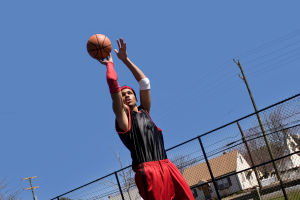
This one looks basic because it is — and that's why it gets skipped. Don't skip it. Stand with feet shoulder-width apart, slightly staggered. Make an L with your shooting arm. Then push the ball up and out through your fingertips. Your elbow should finish above your eyes. No guide hand yet. Just one hand, feet, and the release.
Before going near a basket, shoot at a wall. Ten reps with sound technique — and don't progress until nine of ten look right. It takes longer than you expect. That's fine. When you move to the basket, take fifty shots from five spots, three to five feet out. Make at least eight out of ten from each spot before moving further away. Technique matters more than makes at this stage.
Adding the Guide Hand Without Messing Everything Up
The reason guide hand gets added carefully is that most players immediately start using it to push the ball. That kills direction. Place it on the side of the ball, fingers pointing up, and keep it completely still during the release. Don't let it touch the ball in early reps if possible — you're trying to prove to yourself that your shooting hand can do the work alone. When the guide hand only balances rather than assists, left-right misses nearly disappear on their own.
Building Toward Game-Speed Reps
Once stationary form feels clean and consistent, add footwork. A 1-2 step approach works best for teaching rhythm — even if your natural shot uses a hop, learning the 1-2 step first creates better coordination through your whole shooting motion. Progress gradually: catch from a partner, then add a dribble, then move the starting point further out.
The target goals stay specific: eight out of ten from each spot before advancing. That might feel slow. It is slow — intentionally. Players who rush through the close range to get to half-court shooting almost always develop mechanical holes that show up in games. Staying patient in the process is what separates shooters who are good in drills from ones who are good when it counts.
Keep a routine to each session. Warm up with wall shots, progress through the 1-hand drill, add the guide hand, then move into footwork-based shooting. Every rep intentional. Every session the same structure. That's exactly what Curry and Allen understood before anyone else.
Popular
Fit In 30 Minutes
No time is not an excuse. Busy professionals use these smart workout strategies to stay fit without living at the gym
Sail Race Rules
How Do Sailboat Races Really Work at Sea? The Rules That Shape Every Turn, Route, and Finish Line Moment!
Polo Game Rules
How Does Polo Really Work? A Simple Breakdown of Rules, Players, and Fast Action Explained!
Stop Palming the Ball
Your dribble is killing your game — and you don't even know it. Here's the full beginner fix.