Inside Wingsuit Flight
Inside Wingsuit FlightPosted by Chris Isidore on 29-05-2026
OutDoor Sports
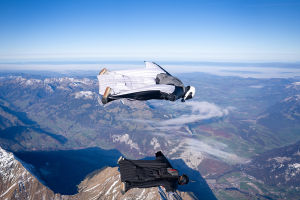
Wingsuit flight is one of the most remarkable experiences in the world of air sports, where human movement and physics come together in controlled flight through open sky. Instead of simply falling, the body is shaped by a specially designed suit that allows forward glide, direction control, and interaction with airflow in a structured way.
What makes this activity truly fascinating is how natural forces like gravity and lift are used together to create the sensation of flying, turning altitude into a smooth and guided journey through the air.
The Basic Principle of Glide Motion
Wingsuit flight is built on the idea of converting height into forward movement. When we step off a high point such as a cliff or elevated platform, gravity pulls us downward. At the same time, forward motion is created through specially designed gear that allows air to flow between surfaces of the suit. This combination creates a smooth glide path instead of a direct drop. The body becomes part of a system where downward energy turns into forward travel. By adjusting posture, we can influence direction, speed, and distance traveled in the air.
Suit Design and Air Interaction
The suit plays a key role in shaping flight behavior. It is made from durable, lightweight fabric designed to manage airflow. Between the arms and legs, fabric panels expand when air enters during movement, forming a surface that increases lift.
When air flows along these surfaces, two main forces appear: lift and resistance. Lift helps keep us suspended longer in the air, while resistance slows forward motion. The balance between these forces determines how far and how smoothly we glide.
This design allows the human body to temporarily behave like a streamlined flying form, responding directly to air movement.
Controlling Movement in the Air
Once in motion, body control becomes the main tool for direction. Small adjustments make a noticeable difference in flight behavior.
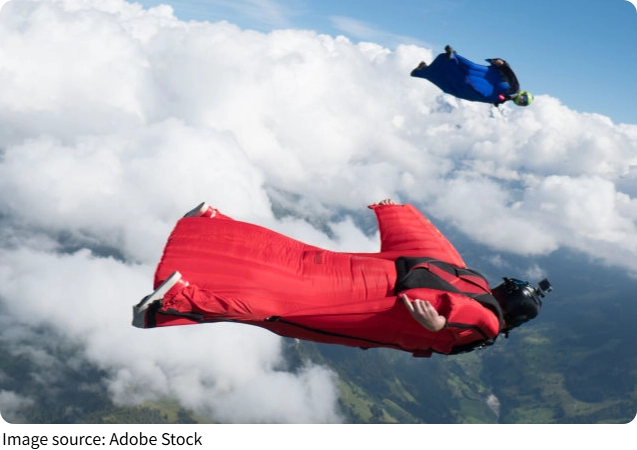
If we lean slightly forward, speed increases. If we tilt backward, movement becomes slower and more stable. Turning left or right is achieved by shifting shoulder and hip alignment gently in the desired direction.
Arm position also matters. Bringing arms closer to the body reduces surface area and increases speed, while widening them creates more resistance and reduces pace. These subtle adjustments allow continuous steering without mechanical assistance.
Air currents in the environment also play a role. Rising airflow along natural landscapes can support longer glide time, while descending air requires quicker adjustments. Learning to read these invisible patterns is part of the skill development.
Step-by-Step Landing Process
As we approach the ground, planning becomes essential. A clear, open landing area is always preferred to allow enough space for slowing down safely.
In the final stage of flight, body posture shifts to reduce speed. By slightly raising the upper body angle and increasing resistance, descent becomes more controlled. At a suitable altitude, a parachute system is activated to further reduce speed and guide the final descent.
After deployment, the body position is adjusted so that legs are forward, preparing for ground contact. When landing occurs, movement often continues briefly across the surface. This sliding phase helps distribute impact forces more evenly until full stop is achieved.
Safety Awareness and Support Systems
Although this activity is exciting, safety awareness remains central. Modern equipment includes tools that help monitor altitude, position, and environmental conditions in real time. These systems provide helpful feedback during each stage of movement.
Accurate measurement devices assist in tracking height changes, while navigation support helps maintain orientation. Parachute systems are designed to activate reliably when needed, providing an additional layer of control during descent. Environmental awareness is equally important. Weather conditions, airflow changes, and terrain features all influence how the experience unfolds. Careful preparation and understanding of surroundings contribute significantly to smoother performance.
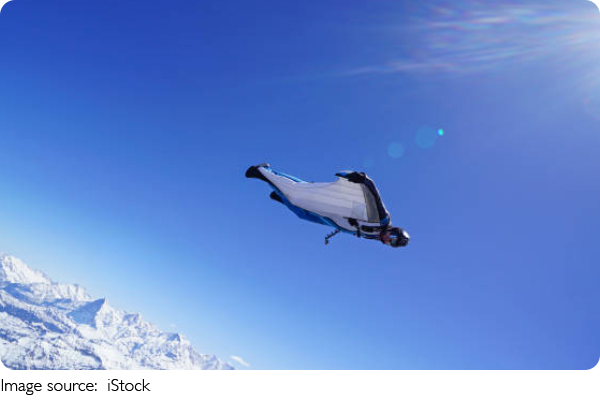
Wingsuit flight brings together physics, movement, and human coordination in a unique way. We have explored how glide motion works, how equipment interacts with air, how direction is controlled, and how landing is managed step by step. For Lykkers, the most interesting part is not only the sensation of flying, but also the understanding behind it. When science and awareness work together, the sky becomes a space of exploration rather than uncertainty.
What part of this sky journey feels most fascinating to you—control in the air, the glide experience, or the final landing moment?
Popular
Hiking Gear Essentials
Are You Ready for the Trail? Essential Hiking Gear and Smart Safety Tips for a Safer, Smoother Outdoor Journey!
Inside Wingsuit Flight
How Do We Master Wingsuit Flight to Glide Smoothly in the Sky and Land Safely with Full Control and Confidence?
Fit In 30 Minutes
No time is not an excuse. Busy professionals use these smart workout strategies to stay fit without living at the gym
Sail Race Rules
How Do Sailboat Races Really Work at Sea? The Rules That Shape Every Turn, Route, and Finish Line Moment!