Grow Sweeter Berries at Home
Grow Sweeter Berries at HomePosted by Lucas Schneider on 02-06-2026
On Trend
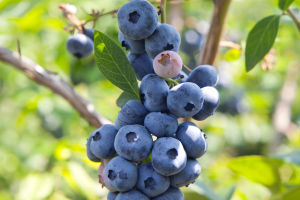
Here's the thing about blueberries that catches most gardeners off guard: they can live and produce fruit for 15 to 20 years or more with proper care.
That first summer you taste a berry you grew yourself, warm from the sun and sweet in a way store-bought never quite matches — it's a different thing entirely. Worth the patience the setup requires.
Choose the Right Type for Your Climate
Not all blueberries suit all regions. Northern highbush varieties (USDA zones 4 to 7) are the most widely grown and a reliable choice for most backyard gardens. Southern highbush hybrids tolerate warmer winters and suit zones 7 to 10 with an earlier fruiting season. Rabbiteye types thrive in zones 7 to 9 with intense summer heat. Lowbush varieties are the most cold-hardy option for zones 3 to 6, forming low, carpet-like growth.
Plant two or more varieties with overlapping bloom times. Blueberries can set fruit alone, but cross-pollination consistently improves berry size and yield. Planting around two plants per person covers fresh eating, baking, and preserving through the season.
The Soil pH Question Nobody Wants to Answer
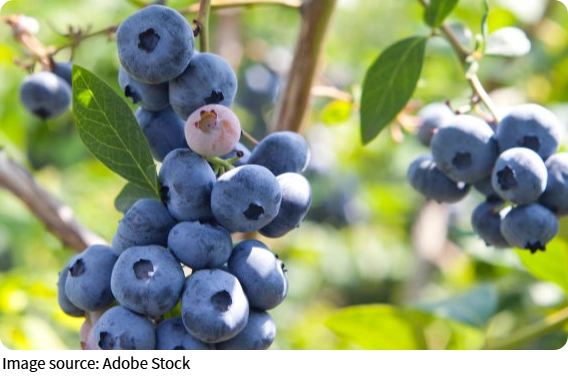
Blueberries are acid-loving plants, and this is the thing that determines whether they thrive or merely survive. Target soil pH is 4.5 to 5.5 — most garden soils run too alkaline and need amending. Get a soil test done before planting; don't guess. To lower pH, work sphagnum peat moss and pine bark fines into the planting zone, and amend with elemental sulfur according to the product label. Heavy clay soils benefit from a blend of up to one-third peat moss, or consider a raised bed for better drainage.
Work organic matter — composted leaves, pine needles, shredded leaves — into the top 8 to 12 inches of soil. Avoid high-salt manures right at planting.
Planting and Early Care
Set the plant so the crown sits at soil level with roots just below the surface. Backfill with amended soil and water deeply to settle it. Apply 2 to 4 inches of acidic mulch — pine needles, pine bark, or shredded leaves — keeping mulch 2 to 3 inches away from the stem.
In the first year or two, pinch off flower buds. Letting a young plant fruit too early diverts energy from root development. Patience here pays off in bigger, more consistent harvests once the plant matures.
Watering, Feeding, and Mulch
Blueberries have shallow, fibrous roots that dry out quickly. Provide 1 to 2 inches of water per week during the first two years. A soaker hose works well for slow, deep watering without wetting the foliage. Maintain 2 to 4 inches of mulch year-round to hold moisture and help keep the soil acidic.
Use a fertilizer formulated for acid-loving plants — azalea, rhododendron, or blueberry-specific formulas all work. Feed in early spring as growth begins, then again about 6 weeks later. Stop feeding by midsummer. Over-fertilized blueberries produce weak growth and lower yields.
Pruning and Protecting the Crop
For the first four years or so, blueberries don't need structural pruning. After that, prune in late winter while plants are dormant. Remove dead, weak, and crossing wood. Renew the bush annually by removing a couple of the oldest canes at the base — blueberries fruit on 1-year-old wood, so stimulating new cane growth keeps yields strong.
Birds will absolutely find the berries before you do. Garden netting over hoops or fence posts is the most effective protection. Seal gaps near the ground and remove it after harvest.
Berries turn blue before they're truly ripe. Give them another 7 to 10 days to fully sweeten. Ripe berries fall easily into your hand. Harvest is staggered over several weeks per plant — check every few days during peak season.
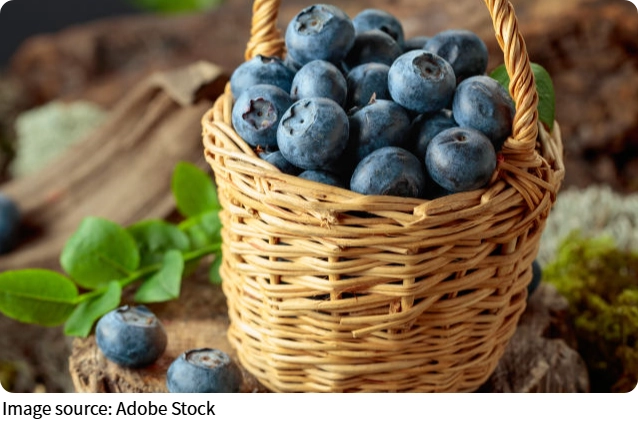
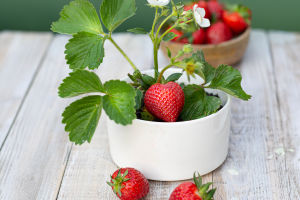
Growing berries at home is a simple and rewarding way to enjoy fresher, sweeter fruit right from your own space. With the right care, sunlight, and growing conditions, homegrown berries can often taste better than store-bought ones. Whether in a garden or containers, anyone can enjoy the satisfaction of harvesting naturally sweet berries at home.
Popular
Decorate Inside with Flowers
Fresh flowers and greenery can transform any room into a vibrant, welcoming space with surprisingly little effort.
Bloom Care Steps
Want Beautiful Tulips at Home? Simple Steps to Grow Healthy Bulbs and Enjoy Bright Spring Blooms Easily!
Calendula Bright Bloom
Why Does Calendula officinalis Keep Blooming Like Endless Little Suns That Light Up Our Garden All Season Long?
Plant Growth Stages
Do mature plants need different care than younger ones?