Bird of Paradise Flower
Bird of Paradise FlowerPosted by Naveen Kumar on 21-05-2026
On Trend
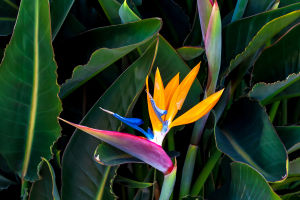
The bird of paradise, Strelitzia reginae, produces some of the most visually distinctive flowers.
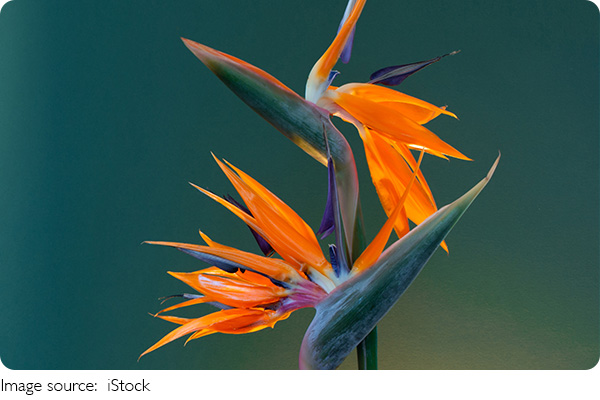
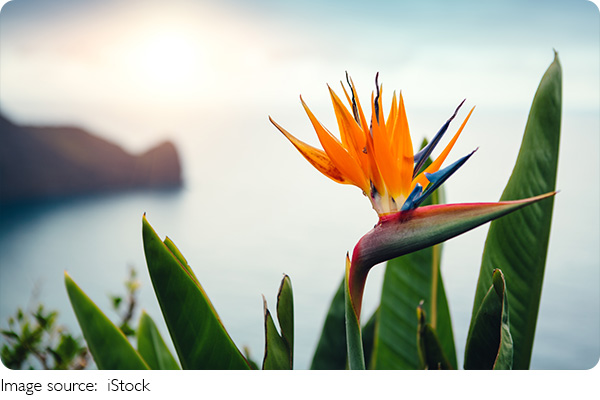
The bloom is not a single flower — it is a structure made of three bright orange sepals and three striking blue petals, emerging from a purple-tipped, beak-shaped spathe.
When fully open, the flower closely resembles the head of a tropical bird, with the orange sepals acting as a crest and the blue petals forming a pointed “beak.” This resemblance is so precise that the name “Bird of Paradise” is not just a nickname — it is a literal description of the bloom’s shape.
Origin and Cultural Significance
Despite its strong association with tropical aesthetics, the bird of paradise is native to coastal and riverbank areas. It has been exported worldwide to subtropical climates and is widely recognized for its ornamental value. The flower is commonly called the crane flower in horticulture circles.
Plant Characteristics
The plant grows between 4 and 6 feet tall, with large, paddle-shaped gray-green leaves that emerge from an underground rhizome. The leaves resemble banana leaves — not surprising, since Strelitzia belongs to the Strelitziaceae family, closely related to bananas.
Flower Structure and Pollination
Each spathe produces 5 to 7 individual blooms that open in succession, allowing the display to last longer than a single-bloom flower. Each bloom lasts about a week, and as one fades, the next unfurls. The blue petals form an arrow-shaped nectary used by birds for pollination; when birds land to drink nectar, their feet are dusted with pollen, making them the primary pollinators.
Uses as a Cut Flower
As a cut flower, the bird of paradise lasts up to two weeks in water, making it a popular choice for tropical-themed floral arrangements. Tight buds require a careful slit in the spathe and gentle pull to release the individual flowers into their characteristic fan shape.
Growing and Care Tips
In warm climates (USDA zones 10–12), bird of paradise grows outdoors year-round. In cooler regions, it is grown as a houseplant or container plant brought inside during winter. It requires bright, direct light to bloom indoors — a south-facing window is ideal. Patience is required: from seed, plants can take 3 to 5 years to produce their first flowers. Slightly pot-bound plants bloom more generously, so repotting too frequently can reduce flowering.
Safety Considerations
The plant is mildly toxic if ingested, causing gastrointestinal symptoms in pets and children, so it should be kept out of reach.
A Living Tropical Masterpiece
The bird of paradise is a visual and ecological marvel. Its bright orange-and-blue blooms, unique pollination strategy, and tropical appearance make it a captivating addition to gardens and homes alike. Whether grown outdoors or as a houseplant, this flower is a true showstopper.
Popular
Bamboo Growth Secrets
This plant grows nearly 4 feet in a single day — and the biology behind it is genuinely astonishing
Amazing Carnivorous Plants
Discover how these plants trap and digest insects to survive in nutrient-poor habitats
Eucalyptus Drought Secrets
This tree sheds its own leaves to survive drought — and that's just the beginning of its bag of tricks
Wisteria in Bloom
Few plants put on a flower show this dramatic — here's the real science behind wisteria's legendary blooms