Amazing Carnivorous Plants
Amazing Carnivorous PlantsPosted by Ethan Sullivan on 22-05-2026
On Trend
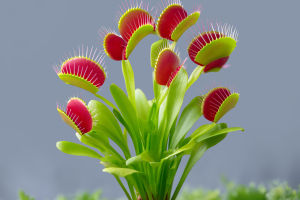
Carnivorous plants are among nature’s most fascinating adaptations, evolving to survive in nutrient-poor environments where most other plants struggle.
Instead of relying solely on soil nutrients, these plants have developed remarkable strategies to trap and digest insects and other small organisms, supplementing their diet and ensuring survival.
Why Some Plants Eat Insects
Most plants absorb essential nutrients, such as nitrogen and phosphorus, from the soil. In wetlands, bogs, and other nutrient-deficient habitats, these elements are scarce, making survival difficult. Carnivorous plants overcame this limitation by evolving mechanisms to capture and digest prey. This adaptation has arisen independently in multiple plant families, demonstrating its effectiveness as an evolutionary strategy.
Snap Traps: Precision Captures
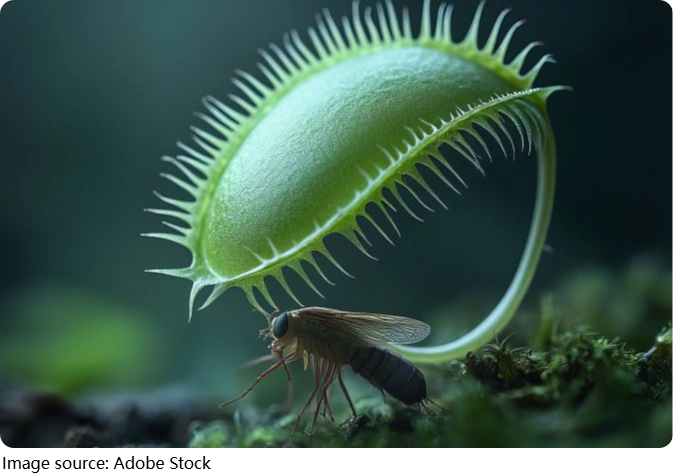
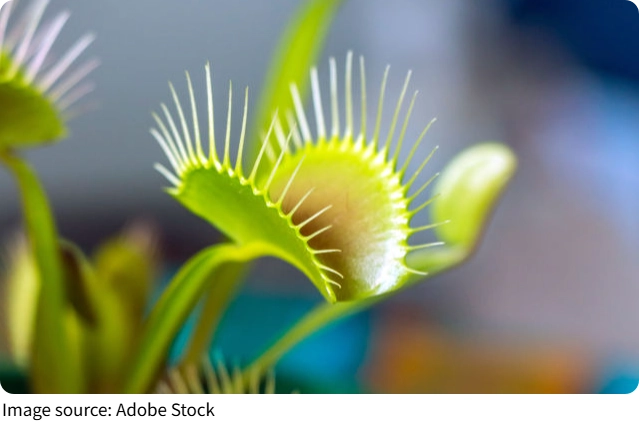
Some plants have evolved snap traps. Their leaves form a specialized trap lined with sensitive hairs. The trap closes only when hairs are touched in a specific sequence or multiple times within a short window. This prevents unnecessary energy use on debris or raindrops. When triggered, fluid is pumped into the leaf lobes, snapping the trap shut in a fraction of a second. Interlocking edges seal the prey inside.
Digesting Prey
If the captured insect continues to move, the plant recognizes it as a meal and releases digestive enzymes. Acidic fluids break down soft tissues over several days. Once digestion is complete, the trap reopens, and indigestible exoskeletons are removed naturally.
Pitfall Traps: Passive Capture
Other plants use pitfall traps. Their leaves form deep, fluid-filled tubes with slippery, smooth rims. Insects that land or crawl along the rim often fall inside, unable to escape. The liquid inside contains digestive enzymes or is enhanced by natural microorganisms, breaking down prey into absorbable nutrients. This passive method allows the plant to capture multiple insects simultaneously.
Sticky Traps
Some plants have sticky, glandular hairs on their leaves. When an insect lands, it becomes trapped in the sticky substance. Over time, surrounding hairs bend inward, pressing the prey against digestive glands that release enzymes to extract nutrients.
Suction Traps
Certain aquatic plants have tiny bladder-like traps that create a vacuum. When small organisms touch trigger hairs, the trap instantly opens, drawing in water and prey within milliseconds. This rapid-response mechanism is one of the fastest movements in the plant kingdom.
Conservation Concerns
Despite their predatory abilities, many carnivorous plants face threats from habitat loss, environmental changes, and human activity. Wetlands and other nutrient-poor ecosystems are fragile, making protection of these habitats essential for the survival of these unique species.
Carnivorous plants exemplify the ingenuity of evolution. Through diverse mechanisms—snap traps, pitfall traps, sticky surfaces, and suction devices—they overcome nutrient limitations and thrive in challenging environments. Conserving their habitats ensures these natural predators continue to fascinate and inspire, revealing the remarkable interplay between adaptation and survival.
Popular
Bamboo Growth Secrets
This plant grows nearly 4 feet in a single day — and the biology behind it is genuinely astonishing
Amazing Carnivorous Plants
Discover how these plants trap and digest insects to survive in nutrient-poor habitats
Eucalyptus Drought Secrets
This tree sheds its own leaves to survive drought — and that's just the beginning of its bag of tricks
Wisteria in Bloom
Few plants put on a flower show this dramatic — here's the real science behind wisteria's legendary blooms