Indoor Orchid Care!
Indoor Orchid Care!Posted by Lucas Schneider on 21-05-2026

Green Plant
Have you ever paused in front of a Phalaenopsis orchid in full bloom and wondered how something so elegant survives so well indoors, Readers?
At first glance, moth orchids look delicate and demanding, yet they are surprisingly adaptable when their basic needs are understood.
This tropical plant responds strongly to light, moisture balance, and airflow that resemble its natural habitat. Once its rhythm is learned, growing it indoors becomes far more rewarding than expected.
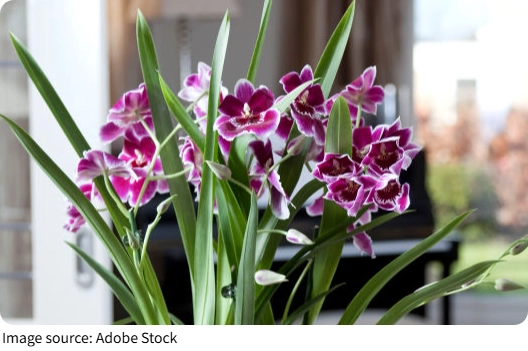
Light: The Foundation of Healthy Growth
Phalaenopsis orchids perform best in bright, filtered light, similar to the soft illumination beneath a forest canopy. An east-facing window is often ideal, while a south-facing exposure works well when softened with a sheer curtain. Direct midday sunlight should be avoided because it can quickly scorch leaves, leaving dry or yellow patches. In contrast, insufficient light results in deep green foliage but no flower production.
A helpful habit is to turn the plant slightly every week, encouraging balanced growth instead of leaning toward one direction. When natural light is limited, a fluorescent grow lamp can be used. Position it roughly 25–30 cm above the orchid and maintain a steady daily light cycle to support flowering potential.
Growing Medium: Supporting Air Around the Roots
Unlike many houseplants, Phalaenopsis orchids do not naturally grow in soil. In their native habitat, they attach to trees, where their roots remain exposed to air and intermittent moisture. For indoor care, they require a loose orchid medium made of bark pieces, charcoal, and similar airy materials. This structure allows oxygen to circulate freely and prevents excess moisture from lingering around the roots.
Dense soil suffocates the root system and quickly leads to decline. Healthy roots should always have access to airflow while still receiving brief periods of hydration.
Watering: Precision Over Frequency
Watering is one of the most important factors in orchid success. These plants prefer a cycle where roots are thoroughly moistened, then allowed to dry out before the next watering. During warmer months, weekly watering is usually enough, but visual cues are more reliable than schedules. Roots that appear silvery white indicate thirst, while green roots signal adequate moisture.
The safest method is to gently rinse the entire growing medium with room-temperature water, allowing it to flow through completely before draining. Standing water around the base should always be avoided, as it encourages decay. Cold water should never be used, as sudden temperature shock can stress the root system. Room-temperature hydration is far closer to the orchid’s natural conditions
Temperature and Humidity: Recreating a Tropical Cycle
Phalaenopsis orchids thrive in typical indoor temperatures ranging from 18–29°C, making them suitable for most living spaces. However, they respond especially well to a slight drop in temperature at night. A cooler nighttime range of 12–15°C can help trigger flower spike development, as it signals seasonal change.
Humidity also plays a major role. These orchids prefer moderate humidity levels between 50–70%. In dry environments, placing a shallow tray of water nearby or using gentle misting can help maintain balance without oversaturating the roots.
Feeding: Light and Controlled Nutrition
Fertilizing should always be done with restraint. During active growth, a diluted balanced fertilizer—such as a 20-20-20 blend at quarter strength—can be applied every few weeks. Overfeeding should be avoided because it often leads to excessive leaf growth instead of flowers. During resting or blooming periods, feeding should be reduced or paused entirely. Think of nutrition as support rather than stimulation; orchids respond best to subtle, steady care.
Pruning and Ongoing Care
Once flowers fade, the flower spike can be trimmed just above a node to encourage potential reblooming under favorable conditions. Old or damaged leaves should be removed carefully to maintain plant health, and any roots that appear dark, hollow, or mushy should be trimmed using clean, sterilized tools.
It is completely natural for orchids to produce aerial roots that extend outside their growing space. These should remain untouched, as they help absorb moisture from the surrounding air.
Repositioning and Renewal Over Time
Every couple of years, or when the growing medium begins to break down, the orchid benefits from being refreshed in a new airy support structure. This helps restore airflow and prevents moisture buildup around the roots. After renewal, light misting helps the plant adjust while new roots begin to establish themselves.
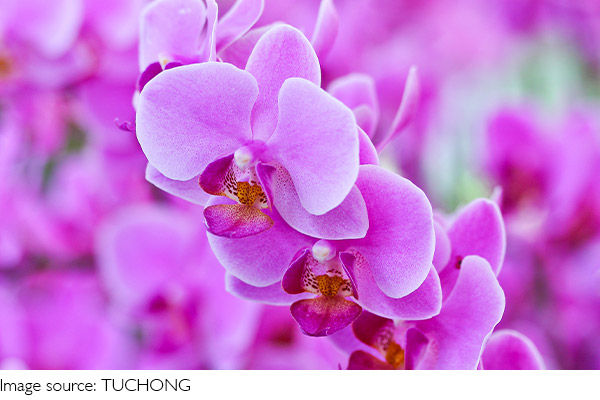
Caring for Phalaenopsis orchids is less about strict rules and more about observing subtle signals—leaf tone, root color, and overall posture. Once you learn to read these signs, the plant becomes far less mysterious and far more rewarding. So, Readers, will you simply keep your orchid as a decorative accent, or take the time to understand its quiet rhythm and enjoy blooms that return with grace year after year?
Popular
Indoor Orchid Care!
How to keep Phalaenopsis orchids blooming longer? Simple indoor tips make flowers last beautifully!
Purple Tulip Whisper
What Does a Purple Tulip Whisper About Love, Calm Emotion, and Hidden Meaning in Everyday Life?
Mushrooms on the Move
How a single mushroom can release billions of spores and take over its environment in days
Cactus Water Secrets
Discover how cacti survive long dry spells with remarkable adaptations inside their stems and roots