Wildlife Corridors Matter
Wildlife Corridors MatterPosted by Naveen Kumar on 08-05-2026
Funny Facts
Driving along a quiet country road, you might notice a deer carefully stepping through a narrow patch of forest or a fox slipping between fields.
These glimpses reveal a hidden challenge: animals are often trapped in fragmented habitats, separated by roads, farms, and urban areas.
Wildlife corridors—carefully designed connections between natural spaces—are proving to be a practical solution, giving animals the freedom to roam, feed, and reproduce safely.
Understanding Habitat Fragmentation
Habitat fragmentation happens when large, continuous habitats are broken into smaller, isolated patches. This makes it difficult for animals to find food, mates, or safe shelter. Over time, isolated populations can decline, increasing the risk of extinction.
Key points to know:
Fragmentation reduces genetic diversity, making species more vulnerable to disease.
Roads and urban development can create dangerous barriers for wildlife movement.
Small habitats may not provide enough resources for long-term survival.
For example, a forest cut into patches by highways may leave a bear population stranded, forcing them to cross roads to find mates or food, which increases the risk of accidents and population decline.
Designing Effective Wildlife Corridors
Wildlife corridors are not just empty strips of land—they are carefully planned pathways that allow animals to move safely between habitats. Proper design considers species' behaviors, food availability, and safety.
Design strategies include:
Planting native vegetation to provide cover and food along the corridor.
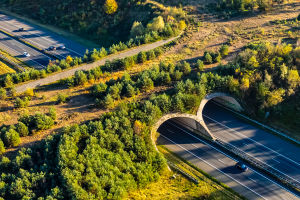
Incorporating tunnels, bridges, or underpasses to help animals cross roads safely.
Ensuring corridors connect critical habitats like breeding areas, feeding grounds, or wetlands.
A practical example: installing a green overpass across a busy highway can let deer, foxes, and other mammals move between forest patches without risking collisions, preserving the local ecosystem's balance.
Benefits for Biodiversity
Connecting fragmented habitats has a ripple effect on ecosystems. Wildlife corridors allow species to migrate, find new territories, and maintain healthy population levels, supporting overall biodiversity.
Ways corridors help:
Facilitate gene flow between isolated populations, reducing inbreeding.
Enable species to adapt to seasonal changes or food shortages.
Support predator-prey balance by allowing natural movement and hunting patterns.
For instance, a corridor linking two wetlands can allow migratory birds to rest, feed, and reproduce safely, boosting survival rates for multiple species across regions.
Engaging Communities in Corridor Projects
Wildlife corridors often cross private lands or near communities, making local involvement essential. Educating residents and landowners ensures corridors are respected and maintained.
Community participation ideas:
Host volunteer tree planting or habitat restoration days along corridor paths.
Offer workshops to teach landowners how to maintain wildlife-friendly landscapes.
Launch citizen monitoring programs to track animal movements and corridor effectiveness.
An actionable step: a neighborhood group could plant native shrubs along a small creek connecting two forests, providing shelter and food for small mammals and birds while fostering local stewardship.
Government and Policy Support
Corridors work best when supported by policies and funding. Governments can provide incentives for land conservation, protect corridor routes, and integrate wildlife needs into urban planning.
Policy approaches include:
Establish legal protections for land designated as part of a corridor.
Fund research and monitoring to measure corridor success and refine designs.
Incorporate corridors into regional planning to prevent future habitat fragmentation.
A concrete example: a local government can partner with conservation groups to secure funding for a corridor that links two protected forests, ensuring animals have safe access and the project is sustainable long-term.
Watching a fox slip across a narrow patch of forest or a herd of deer navigate safely through a corridor reminds us that humans and wildlife share the same landscapes. By supporting wildlife corridors, we're not just preserving animal populations—we're keeping ecosystems resilient and ensuring that nature's connections remain unbroken for generations to come.
Popular
Tiny Green Oasis
Discover how small plants can bring calm, beauty, and a refreshing vibe to even the tiniest living spaces
Wildlife Corridors Matter
How connecting habitats helps animals thrive and survive
Tulip Color Meaning
What Do Tulip Colors Really Mean? Hidden Messages Behind Every Spring Bloom You Never Noticed Before!
Forests Make Rain
Scientists Reveal the Billion-Dollar Secret Hidden in Tropical Rainfall