Living Room Styles
Living Room StylesPosted by Mason O'Donnell on 21-05-2026
Home Decor
When we talk about home living areas, we often imagine a sofa, a low table, and a screen wall as the default setup. But modern living habits are changing quickly.
Different households now choose different spatial arrangements based on comfort, daily routines, and even lifestyle rhythm.
Still, many of us notice something interesting: the same floral dress can appear fresh and balanced on one person, yet slightly heavier or more mature on another.
The difference is rarely random. It usually comes from a few styling details that shape the overall visual impression. Let’s walk through these points together so we can better understand how to refine our outfit choices.
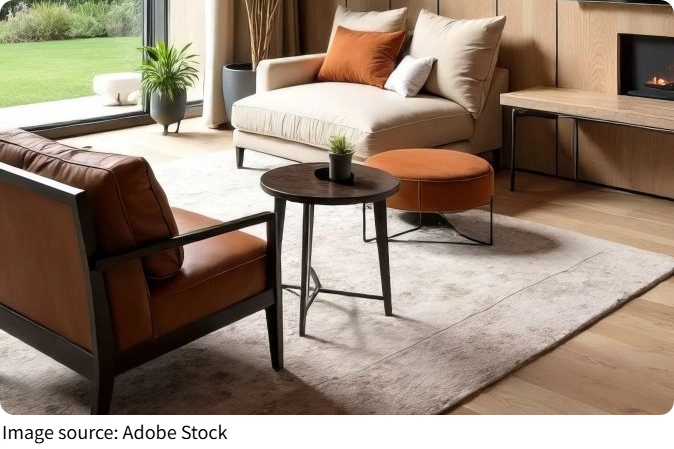
Classic Balanced Setup
The most familiar arrangement still remains widely used. It usually includes a compact sofa, a round or low table, and a simple screen focal point. In many modern homes, built-in wall storage is added beneath the display area to keep things tidy and visually light.
This approach works well for people who enjoy a structured environment. Neutral tones like soft gray or warm beige often help the space feel calm and clean. Even with simplicity, the overall atmosphere can still feel modern and comfortable.
Open Space Without Extra Surfaces
Some homes prefer removing the low table and built-in storage beneath the display zone. This instantly creates a wider walking flow and makes the room feel less crowded.
In certain designs, the display area is embedded directly into the wall, which keeps cables hidden and surfaces smooth. This style often requires more planning, but it brings a very clean visual effect.
For practical use, we can rely on wireless connections and wall-mounted solutions to maintain convenience while keeping the room open.
Storage-Focused Living Area
Here, the main wall becomes a storage system instead of just decoration. Cabinets are designed to hold daily items, books, and small equipment.
This method is especially useful in compact homes. It helps us reduce clutter while increasing usable storage. Even the background wall behind seating can be turned into practical shelving.
The result is a space that feels organized, efficient, and visually consistent.
Screen-Free Relaxation Zone
Some households choose to remove the screen completely. In such cases, the wall can be designed as a storage zone or a simple decorative surface. Occasional entertainment can be handled through a projector or portable display.
This setup is often chosen by people who prefer quiet environments or rarely use screen-based activities. In other versions, the wall becomes a full storage system from entrance to living zone, maximizing every corner.
A minimal version can even leave the wall blank, creating a calm and open atmosphere.
Flexible Seating Arrangement
In this version, seating is no longer fixed in a traditional direction. Modular seating pieces allow us to shift positions easily based on daily needs.
Instead of facing a single focal point, the seating can be arranged in conversational groups. This makes the space feel more open and social. With fewer fixed elements, the room becomes adaptable for reading, gathering, or simple relaxation.
Sofa-Free Functional Zone
Some compact homes replace traditional seating with built-in benches or dining-style seating. This allows one area to serve multiple purposes such as dining, working, and resting.
Long tables or combined surfaces are also used to support daily tasks. In smaller households, individual chairs or soft seating cushions may replace large furniture entirely.
This approach helps maximize floor space while still keeping comfort and practicality balanced.
Minimal Setup Without Main Furniture
In the most simplified arrangement, both traditional seating and screen elements are removed. Storage cabinets handle essential organization, while soft floor cushions or small seats provide flexible comfort.
Window areas are often used to create built-in resting corners. This design works well for small households or individuals who prefer open, uncluttered surroundings. The focus here is openness, light flow, and visual calm.
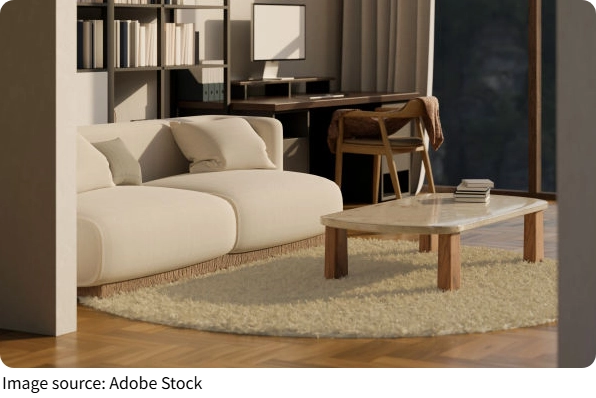
Looking across these seven living room ideas, we can see one clear direction: modern homes are no longer fixed to a single formula. Instead, space is shaped by how we live each day.
Lykkers, which arrangement feels closest to our lifestyle? Do we prefer structure, flexibility, or full openness?
We can always start small—adjust a piece of furniture, open up a corner, or rethink one wall. Over time, these small changes can transform how a home feels and functions.
Popular
Living Room Styles
Could Your Living Room Feel Bigger, Brighter, and More Flexible? Explore Layout Ideas That Transform Everyday Home Space Easily!
Safe Family Adventures
Want Stress-Free Family Outings? Smart Outdoor Safety Tips Every Parent Should Know Before Traveling With Kids!
Stroller Safety Basics
Can These Simple Stroller Safety Habits Make Every Baby Outing Feel Safer, Smoother, and More Comfortable for Us?
Floral Dress Style Guide
Why Your Floral Dress Looks Older Than Expected? These Styling Details Make All the Difference!