Sleep Light Mood
Sleep Light MoodPosted by Camille Dubois on 21-05-2026
Home Decor
When night arrives anywhere in the world, many of us focus on comfort—soft bedding, quiet surroundings, or simply winding down after a long day. Yet one subtle element often goes unnoticed: bedroom lighting.
Hey Lykkers, have we ever paused to notice how the tone of light changes the feeling of a room before sleep? Even without awareness, the brain reads these visual cues and adjusts its sense of alertness or calmness accordingly.
Warm Light and the Sense of Evening Calm
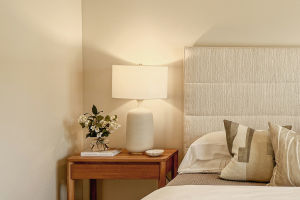
Warm lighting, often appearing in soft amber or gentle golden tones, tends to create a relaxed atmosphere. Psychologically, these shades resemble sunset light or cozy indoor environments, which naturally reduce mental stimulation. We may feel more settled, less mentally active, and more ready to transition into rest.
From a biological perspective, softer illumination tends to interfere less with melatonin activity, a key hormone linked with sleep timing. When this rhythm remains stable, the body receives clearer signals that the day is ending. This supports a smoother shift into nighttime rest, with a more gradual slowdown of mental activity. Across many living environments worldwide, warm lighting is often associated with evening routines such as reading, quiet conversation, or simple reflection.

Cool Light and the State of Alert Focus
Cool-toned lighting, especially bright white shades, creates a very different environment. Psychologically, it resembles daylight or task-oriented settings, which can increase alertness and mental engagement. This effect can be helpful during productive hours, but later in the evening, it may keep the mind more active than expected.
On a physiological level, stronger and cooler light can influence internal timing systems that regulate daily rhythms. When exposure continues late into the night, the body may receive mixed signals, making it harder to shift into a slower, restful state.
This does not suggest that cool lighting is unsuitable overall. Instead, it highlights how different lighting styles serve different parts of the daily cycle.
Everyday Experiences Across Different Homes
We can observe clear differences through everyday living experiences.
- In one scenario, a person gradually shifted their bedroom lighting toward warmer tones in the evening. Over time, the space felt more peaceful, and nighttime routines became more consistent. Activities like reading or quiet thinking felt smoother, and the transition into rest became less abrupt.
- In another scenario, a bright and crisp lighting setup remained in use throughout the evening hours. At first, the environment felt clean and energizing. However, later at night, the mind often stayed active longer, and settling down required more time. After introducing adjustable brightness and softer tones, the evening atmosphere became more balanced.
These patterns show how environmental signals can quietly influence internal rhythm without direct attention.
Simple Adjustments for a More Balanced Night Environment
We do not need complex changes to improve the evening atmosphere. Small adjustments can already make a meaningful difference.
- One helpful step is choosing softer color tones for evening lighting. A gentler visual field reduces stimulation and supports a calmer mindset as the day ends.
- Another useful approach is adjusting brightness levels. Lower intensity light in late hours can gently support the transition toward rest. Indirect lighting—such as light reflected from walls or ceilings—can also reduce sharp contrasts and create a more comfortable visual space.
- It can also be helpful to reduce exposure to digital screens before bedtime, since their brightness can keep the mind more alert than intended. Softer display settings may help maintain a steadier evening rhythm.
Understanding the Role of Environmental Cues
Every living space carries subtle signals that influence daily rhythm. Lighting is one of the most powerful yet often overlooked factors, shaping attention, mood, and relaxation. When we adjust tone, brightness, and placement with awareness, the environment begins to support a smoother transition between activity and rest. Over time, these small changes can help create a more consistent nighttime routine without requiring major lifestyle shifts.
Rather than strict rules, it is more about observing how surroundings interact with personal comfort and daily rhythm.
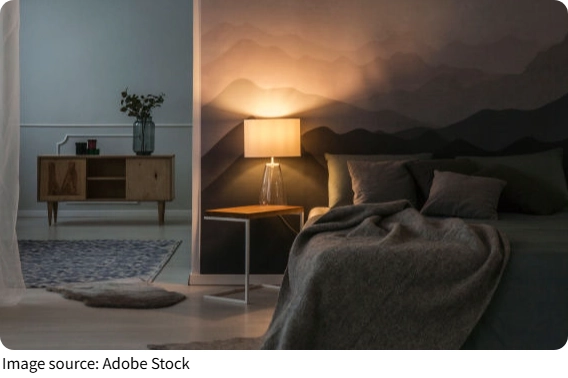
Across different cultures and homes, night represents a shared moment of recovery and quiet reset. Lighting plays a gentle but important role in shaping that experience. Lykkers, have we ever experimented with different bedroom lighting styles and noticed changes in how the evening feels? Even subtle adjustments can reveal how strongly our environment influences rest.
Sharing these experiences helps us better understand how everyday spaces shape comfort, rhythm, and relaxation in practical, meaningful ways.
Popular
Living Room Styles
Could Your Living Room Feel Bigger, Brighter, and More Flexible? Explore Layout Ideas That Transform Everyday Home Space Easily!
Safe Family Adventures
Want Stress-Free Family Outings? Smart Outdoor Safety Tips Every Parent Should Know Before Traveling With Kids!
Stroller Safety Basics
Can These Simple Stroller Safety Habits Make Every Baby Outing Feel Safer, Smoother, and More Comfortable for Us?
Floral Dress Style Guide
Why Your Floral Dress Looks Older Than Expected? These Styling Details Make All the Difference!