Indoor Air Truth
Indoor Air TruthPosted by Lucas Schneider on 21-05-2026
Funny Facts
When we bring greenery into our homes, we usually hope for more than decoration. Many of us imagine fresher air, a calmer atmosphere, and a healthier living space. Indoor plants have become a global lifestyle trend, appearing in apartments, offices, and shared spaces across many countries.
For Lykkers joining this discussion, we can explore a simple question together: do indoor plants truly improve air quality, or is their benefit often misunderstood?
What Science Experiments Actually Show
In controlled scientific studies, especially in sealed laboratory environments, some indoor plants have shown the ability to interact with certain airborne substances. Common examples include pothos, snake plants, and other leafy varieties.
These studies often highlight that plants can absorb small amounts of airborne compounds while releasing oxygen through photosynthesis. At first glance, this sounds impressive and encouraging.
However, it is important to remember that laboratory conditions are very different from real homes. A lab is closed, stable, and controlled. Our daily living spaces are open systems where air constantly moves, mixes, and changes.
Because of this difference, results from controlled experiments cannot be directly translated into everyday environments.
How Indoor Air Really Works
Indoor air quality is shaped by many interacting factors. Furniture materials, flooring, fabrics, cleaning products, and even electronic devices can all release small amounts of airborne compounds over time. Temperature and humidity also play a role, as they influence how air behaves inside a space. Most importantly, airflow determines how quickly indoor air is refreshed.
In many homes, natural ventilation or mechanical airflow systems have a much stronger impact on air freshness than any single decorative element placed inside the room.
What Indoor Plants Can Do
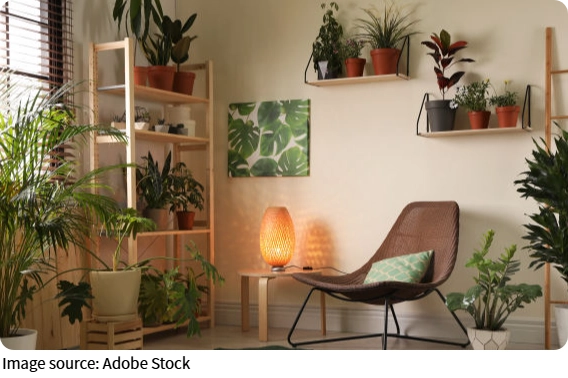
Indoor greenery does have some real, but limited, functions. Leaves may interact with certain airborne substances, roots work alongside soil microorganisms, and moisture exchange can slightly influence humidity levels.
These processes are real, but they happen slowly and on a small scale. Even a healthy group of indoor plants cannot match the speed of air exchange through open windows or ventilation systems.
When air circulates regularly, the effect of plant-based absorption becomes even less noticeable because the environment is constantly refreshed.
Dust accumulation on leaves can also reduce their surface activity, which is why simple cleaning occasionally helps maintain their condition.
The Power of Air Movement
One of the most effective ways we improve indoor environments is through consistent airflow. Fresh air naturally replaces indoor air over time, reducing buildup of unwanted compounds and maintaining balance. In well-ventilated spaces, this exchange can happen quite frequently. Compared to this continuous process, the contribution of indoor plants is relatively subtle.
During colder or tightly sealed seasons, airflow may slow down, and indoor freshness can feel more affected. This is where ventilation habits become especially important.
Simple Habits That Make a Difference
If we want to maintain a comfortable indoor environment while enjoying greenery, a few simple habits can help:
- Regular cleaning reduces dust and particles that settle on surfaces.
- Maintaining balanced humidity supports comfort and helps both people and plants function better.
- Avoiding unnecessary indoor air pollutants also helps keep the environment more stable.
These small actions often have a more noticeable impact on indoor air than relying on plants alone.
Beyond Air: What We Truly Experience
Even if their air-related impact is limited, indoor plants offer several meaningful everyday benefits.
- We often feel more relaxed when natural elements are present around us. A green corner can make a space feel softer, less rigid, and more welcoming. This subtle emotional effect is one reason indoor plants remain popular worldwide.
- There is also a gentle influence on focus and mood. Many people find it easier to concentrate in spaces that include natural visuals. In shared work or study areas, greenery can make the environment feel less stressful.
- Another interesting aspect is noise softening. Leaves and soil surfaces can slightly reduce echo and background sound, creating a more comfortable atmosphere.
Finally, caring for plants gives us a simple routine. Watching growth over time can bring a quiet sense of satisfaction and connection with nature.
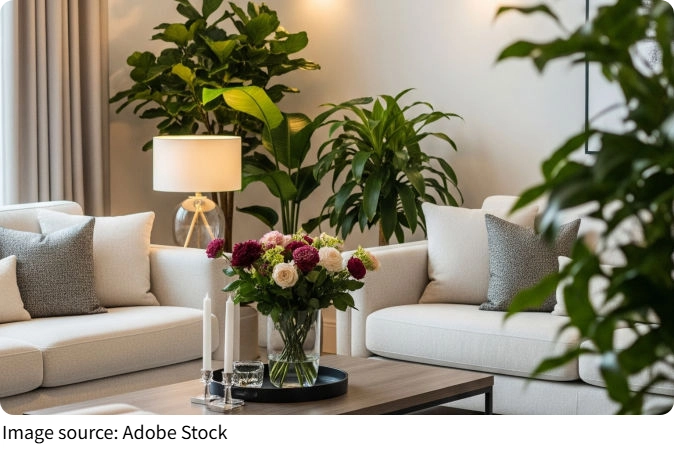
So, do indoor plants significantly clean the air? The realistic answer is that their effect exists, but it is quite limited in everyday environments. Air movement, ventilation, and cleaning practices play a much stronger role in shaping indoor air quality.
Still, this does not reduce their value. While they may not transform the air dramatically, they enrich our daily surroundings in emotional, visual, and psychological ways.
For Lykkers, the most practical approach is balance. We can enjoy the beauty and comfort of greenery while relying on simple, effective habits to maintain a fresh and pleasant living space.
In the end, the value of indoor plants may not lie in dramatic changes, but in the small, steady comfort they bring into our everyday lives.
Popular
Living Room Styles
Could Your Living Room Feel Bigger, Brighter, and More Flexible? Explore Layout Ideas That Transform Everyday Home Space Easily!
Safe Family Adventures
Want Stress-Free Family Outings? Smart Outdoor Safety Tips Every Parent Should Know Before Traveling With Kids!
Stroller Safety Basics
Can These Simple Stroller Safety Habits Make Every Baby Outing Feel Safer, Smoother, and More Comfortable for Us?
Floral Dress Style Guide
Why Your Floral Dress Looks Older Than Expected? These Styling Details Make All the Difference!