Creative Growth Path
Creative Growth PathPosted by Sofia Alvarez on 21-05-2026

Funny Facts
Hello Lykkers, have you ever wondered why some children naturally generate fresh ideas while others tend to stick closely to familiar steps? This difference often comes from how thinking habits are formed in daily life, not from intelligence alone.
Creativity is shaped by environment, communication, and the freedom to explore ideas. It grows when children feel safe to ask questions, try new approaches, and express thoughts without fear of being wrong. This is something we can actively support in everyday family life.
Creativity Is More Than Intelligence
Many people believe that high intelligence automatically leads to strong creativity. However, real situations often show a more complex picture. Some children perform well in academics but may not easily think in flexible or original ways.
Creativity is about curiosity, exploration, and the ability to connect ideas in different directions. When we allow children to explore possibilities instead of focusing only on single answers, we help them develop more open thinking patterns.
The Caterpillar Experiment: A Lesson in Following
A well-known scientific observation by Jean-Henri Fabre shows how following behavior can become limiting. Caterpillars were placed in a circular formation around a plant container. Food was placed nearby, but not directly on their path.
The caterpillars kept moving in a loop, following each other continuously. Even after a long time, they did not change direction, despite food being within reach. Eventually, they became exhausted.
This example highlights an important idea: when behavior is based only on imitation without questioning, it can restrict discovery. For children, encouraging independent thinking helps avoid similar patterns in learning and life.
Encouraging Flexible and Reverse Thinking
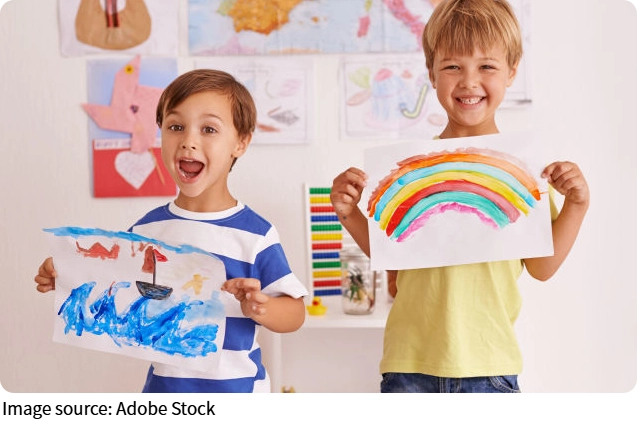
One practical method to develop creativity is reverse thinking. Instead of focusing only on finding a single correct answer, we can guide children to explore multiple ways to reach the same result.
Learning Through Explanation and Dialogue
Another effective way to support thinking development is asking children to explain their reasoning. After completing schoolwork, instead of only reviewing answers, we can invite them to describe how they arrived at each solution.
This process strengthens understanding and communication skills. When children explain ideas in their own words, they organize their thinking more clearly. If something is unclear, they naturally recognize gaps in their understanding.
This is not about testing memory, but about helping children build deeper awareness of how they think.
Expanding Imagination in Daily Moments
Imagination plays a key role in creative growth. We can encourage it by using simple, everyday topics and asking open questions. For example, we might invite children to imagine unusual objects or alternative uses for common items.
A simple object like a brick can be imagined in many ways: building structures, supporting objects, or solving practical problems in creative situations. The goal is to encourage multiple possibilities rather than one fixed answer.
When daily life becomes a space for imagination, children naturally begin to think more creatively.
Interest and Independence as Driving Forces
Children tend to become more creative when they are interested in what they are doing. Interest leads to deeper exploration, more questions, and stronger motivation to learn. Independence is equally important. When children are allowed to try tasks on their own, they develop confidence and problem-solving ability. Even when mistakes happen, they gain valuable experience that helps them improve.
Our role is to guide and support, not to replace their effort.
Protecting Curiosity and Building Strong Character
Curiosity is one of the strongest foundations of creativity. Children naturally ask questions about how things work and why things happen. These questions are signs of active thinking.
Instead of limiting curiosity, we can encourage it by exploring answers together. This helps children build a stronger connection with learning. At the same time, personal qualities such as patience, optimism, and persistence also support long-term creative growth. These qualities help children continue exploring even when challenges appear.
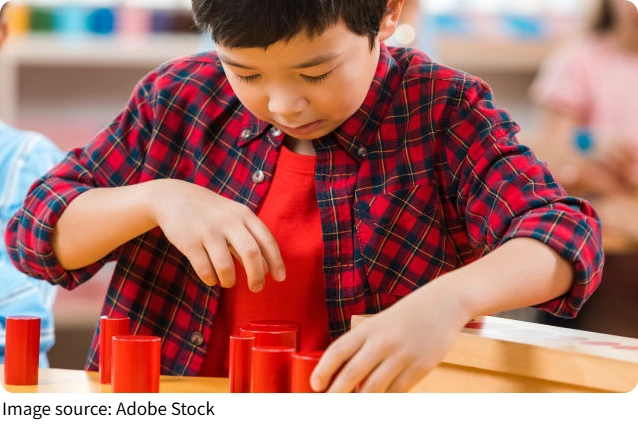
Creativity is not a fixed trait. It develops gradually through environment, communication, and daily experience. When we support curiosity, encourage explanation, and allow freedom to explore ideas, children can build stronger and more flexible thinking skills. As we reflect on this topic, Lykkers, how can we create more space for curiosity in everyday life? What small changes could help children think more openly and confidently?
Popular
Living Room Styles
Could Your Living Room Feel Bigger, Brighter, and More Flexible? Explore Layout Ideas That Transform Everyday Home Space Easily!
Safe Family Adventures
Want Stress-Free Family Outings? Smart Outdoor Safety Tips Every Parent Should Know Before Traveling With Kids!
Stroller Safety Basics
Can These Simple Stroller Safety Habits Make Every Baby Outing Feel Safer, Smoother, and More Comfortable for Us?
Floral Dress Style Guide
Why Your Floral Dress Looks Older Than Expected? These Styling Details Make All the Difference!